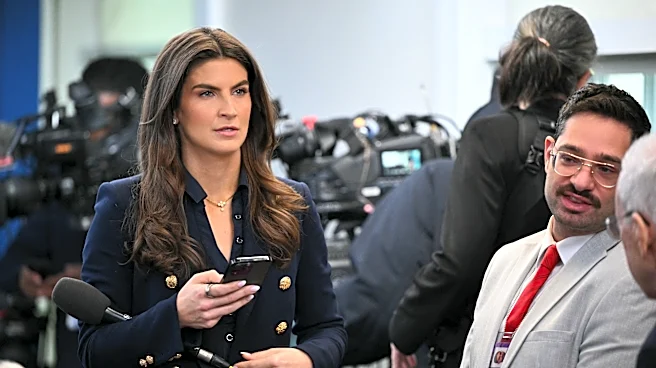




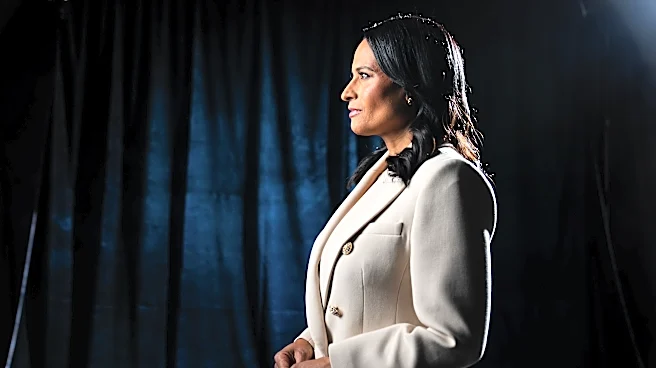



Almost every working woman in American has probably heard it: You should smile more. But only a few have heard it from the President of the United States.
But that's exactly what happened to Kaitlan Collins, White House Correspondent from CNN and host of "The Source," while trying to do her job. However, she doesn't feel alone in that highly unique experience.
"No woman likes to be told that," Collins, 34, tells USA TODAY. "Maybe it's not the President of the United States saying it to them in front of six television cameras, but that doesn't make the feeling of it any different. ... I don't ever want to get distracted or weighed down by stuff like that. We're just doing our jobs every day. When we get the opportunity to question the president,
we will take those opportunities."
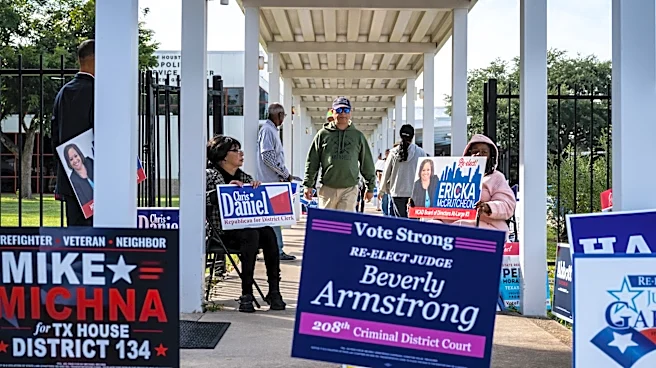
Collins is one of the many reporters covering the Trump administration and the midterm elections quickly approaching on Tuesday, Nov. 3. She's also part of a prominent team on CNN, a cable news channel often the target of direct barbs from Trump to being locked out of Air Force One to uncertainty after the Skydance media merger (CNN and other news outlets are currently fighting administration attempts to limit their White House access via the courts).

But Collins, and her fellow female journalists at CNN − including Dana Bash, Kasie Hunt, Laura Coates, Pamela Brown and Erin Burnett, who all spoke with USA TODAY − are determined to keep going. They have things to do. And they are all eager to spread the gospel of journalism, truth and the "Super Bowl" of political reporting: Election night.
"Everyone thinks they know what a reporter's life looks like," says Collins. "But a lot of people who don't deal with it on a daily basis actually don't know."
How Kaitlan Collins, Dana Bash and women of CNN handle attacks from Trump and beyond
Trump, in particular, is known for calling out specific journalists who displease him, like Collins or "Meet the Press" host Kristen Welker. Collins, Bash, Hunt, Coates, Burnett and Brown are all in the public eye and increasingly subject to these attacks or other criticisms.
Dana Bash, who has been with CNN for three decades and now hosts "Inside Politics" and "State of the Union," is not phased by the prospect of being in the public crosshairs. Her responsibilities are "the same," she says, "regardless if we're getting insults hurled at us or not. It makes me even more determined to do the job."
It's the same strategy for Burnett, anchor of "Erin Burnett OutFront." "I prefer not to respond to attacks on our reputation," she says. "This may not always be the right move [but] we focus on doing our jobs as best we can."

That doesn't mean it's easy to weather an onslaught of negativity.
Hunt, the host of "The Arena," admits, "I've always viewed my job pretty optimistically. My optimism has been challenged in the Trump decade. I'm not going to sugarcoat that. It has definitely gotten more difficult. But it doesn't diminish the importance of the work. The biggest challenge is making an argument to people that it still can and should matter."
Legal correspondent Laura Coates agrees, saying, "A lot of the time, people's anger and their hostility is misdirected, but … it doesn't mean that I am immune to criticism, and that some things don't hurt."
"As a mom and as a human being in this world," Coates adds, "I'm very, very sensitive to the peanut gallery that rejoices in people's misery."
AI, misinformation and deepfakes of journalists
Any election night consists of a complex dance of day-of counts, mail-in ballot results and different political camps promoting different narratives about what it all means − and sometimes what actually happened. For chief investigative correspondent Pamela Brown, that means not giving in to "the rumor desk."
"There's a whole ecosystem and outrage machine that just gets louder and louder on social media," she says. "I am very much bracing for the 'this is fraudulent, the election is stolen' narratives depending on how this these races shake out and what happens."

"We actually have the resources to filter through misinformation and AI, and detect what's real and what's not in a way that a lot of people can't," says Brown.
AI isn't just a part of the story they're covering, but also affecting some of them personally. Collins has seen deepfakes of herself online.
"There's so much footage out there of me, it's pretty easy to make [deepfakes]," she says. "It's so obviously not real to me, but sometimes people see it and think it's real. That's kind of scary because you're trying to be this trusted individual with credibility with your audience, and then that's being misused by either nefarious people or AI."
The key to successful election night coverage
All the hosts and correspondents are preparing for a long election night (CNN’s Election Night in America special coverage begins at 4 p.m. ET) and how the polls and results may change in the ensuing few days as votes are counted.
Surviving the hubbub of it all requires fuel — and caffeine. "I drink like 16 cups of coffee a day anyway, so I will be drinking a lot of coffee," jokes Collins.
"It's a marathon, not a sprint, says Bash. "You have to pace yourself. Never mind the hydration of it all. You gotta eat [but] not too much candy because you don't want a sugar spike. I'm not a coffee drinker. I'm a tea drinker. So I have to find other ways for the jolt of caffeine."

But ultimately what these journalists rely on is each other.
"What I love about it is the camaraderie and the team element of it," Bash continues. "It's what I would be doing if I were sitting home on my couch. I would be texting with my friends about what's going on in the election. I get to be able to do it in real life in the studio and to be able to participate in informing people. It's pretty cool."
"When I get exhausted and overwhelmed, which is often, I lean on my sisters in journalism," Coates says. "We all do. We lean on our families. We lean on the group chats … But more importantly, we just lean into the work."
Adds Collins: "Whatever happens on election night, I feel confident that we are in a position to be able to cover it and make it make sense for people who are watching it, even if we're trying to make it make sense to ourselves in real time. We're kind of all going on this journey together, you know?"
This article originally appeared on USA TODAY: Kaitlan Collins and CNN's top women on Trump, midterms and ignoring the noise | Exclusive