

Money talks, and football teams walk – such is life in the NFL. So when it comes to the Bears, a big city team that’s operated like a small-market one for much of its century-plus existence, the people and lawmakers of Chicago should probably take heed before the organization makes good on its escalating threats to decamp the Windy City.
I’ve talked to any number of Chicagoans who are dismissive of the notion that the Bears will wind up playing their home games in Hammond, Indiana, which is about 30 miles due south of Soldier Field – or even in Arlington Heights, Illinois, on the 326-acre site the team owns about 30 miles northwest of downtown on the former home of the now-demolished Arlington International Racecourse. And those people may be right.
Civic demands, political agendas and deadlines all have a way of exerting pressure and producing alternative solutions … and this has certainly been true in various forms in Chicago over the years. I acknowledge and appreciate the skepticism.
But the notion that team chairman George McCaskey, grandson of NFL legend and Bears founder George Halas, won’t move his franchise across state lines out of some sense of nostalgia or municipal ties? Pfft.
Chicago ranks third among the United States’ media markets, behind New York and Los Angeles and just ahead of Dallas-Fort Worth. And guess what – neither the Giants, Jets, Rams, Chargers nor Cowboys play within the city limits of the towns they represent. No NFL team has played in a New York City borough for more than 40 years. After the Rams and Raiders left after the 1994 season, L.A. had no team at all for more than two decades – but now you can go watch the Rams and Chargers at SoFi Stadium in Inglewood … which is probably the only reason Angelenos or visitors make the trek to that part of the metropolis. The Cowboys, whose bottom line hasn't been hurt by playing in stadiums surrounded by massive parking lots in Irving and Arlington, Texas, stopped playing home games in Dallas proper 55 years ago.
Oh, and some other things the Jets, Giants, Rams, Chargers and Cowboys have in common? Their stadiums have all hosted Super Bowls and, just this summer, staged a combined 25 World Cup matches. Chicago’s Soldier Field? It’s never had a Super Bowl but did get the World Cup … in 1994. So yeah.
In addition, according to Sportico's just released list of NFL franchise valuations, the Cowboys, Rams and Giants are the league's top three clubs in terms of estimated worth − all listed at more than $12 billion. The Bears are currently ranked 14th at approximately $9.45 billion.

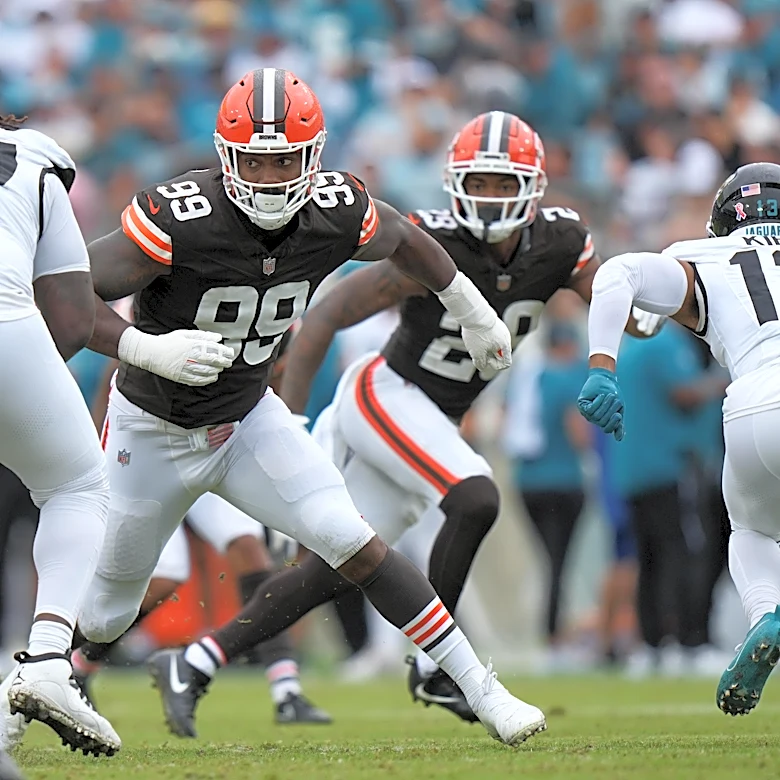
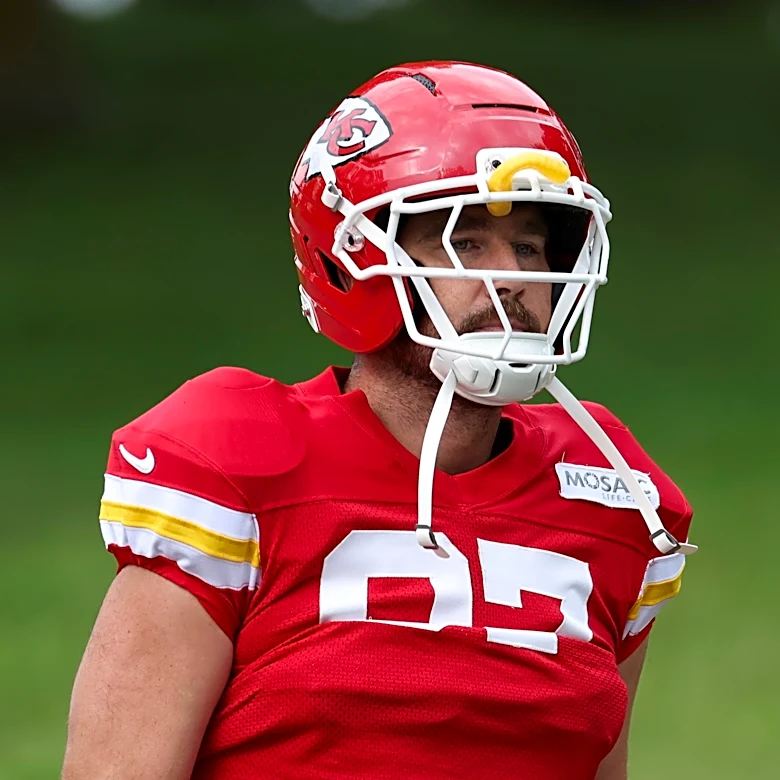
More broadly, 12 of the league’s 32 teams (37.5%) play in suburban sites – and that’s including the regionally branded New England Patriots, who, like the Cowboys, left the big city (Boston in this case) in 1971. And while the Commanders will soon be returning to the District of Columbia after years in the Maryland boonies, the Browns are scheduled to leave Cleveland by the end of the decade, and the Chiefs will be leaving Kansas City, Missouri, for Kansas City, Kansas – an FYI for those of you who thought they’d been playing in Dorothy’s home state all along. Among the AFC East and NFC East, homes of many of the league’s most high-profile teams – read: big media markets – only the Philadelphia Eagles perform within their civic boundaries.
So, ultimately, why should the Bears be any different?
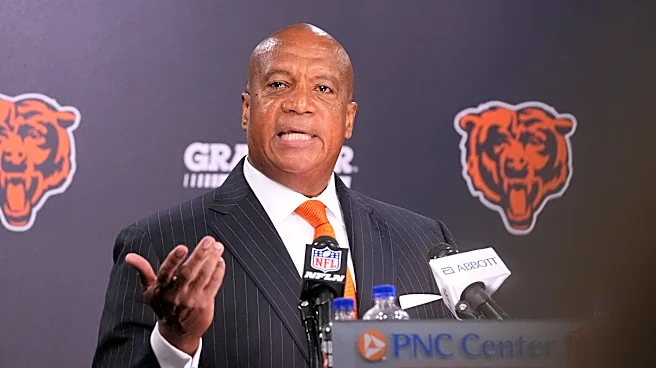
"We don't have an offer from the state of Illinois," Bears CEO Kevin Warren said while addressing reporters on Thursday, Aug. 13, when the team provided the latest update to its plans for a new stadium – which it again claimed are focused on Indiana with no viable option from Chicago on the table.
"(R)ight now our focus is on Hammond, Indiana, to make sure that we bring that to life."
Chicago is the league’s largest non-coastal city in terms of population. Yet it currently lacks a venue that’s befitting of not only Super Bowls and World Cups but also Big Ten football championships – and maybe CFP matchups – Final Fours and other major entertainment attractions. And, tradition notwithstanding, why wouldn’t the McCaskey family want to take advantage of Indiana’s financial enticements, including $1 billion in incentives to relocate? And, feet to the fire, how many football fans in the Upper Midwest don’t want more room to tailgate, greatly enhanced amenities … and a roof over their heads in December and January? And as anonymous a town as Hammond might be to most Americans, it’s orders of magnitude larger than, say, East Rutherford, New Jersey, or Landover, Maryland.
“It's going to require an adjustment,” McCaskey said Wednesday. “But when I've driven that route, other than a sign telling me so, I wouldn't know that I've just crossed the state border.
"(O)nce people see the building, once they get in there, once they understand that our top priority from day one was a world-class stadium experience, we think we'll make that adjustment. We think Bears fans are up for that."
Which points back to the primary issue: Soldier Field ain’t exactly Lambeau Field.
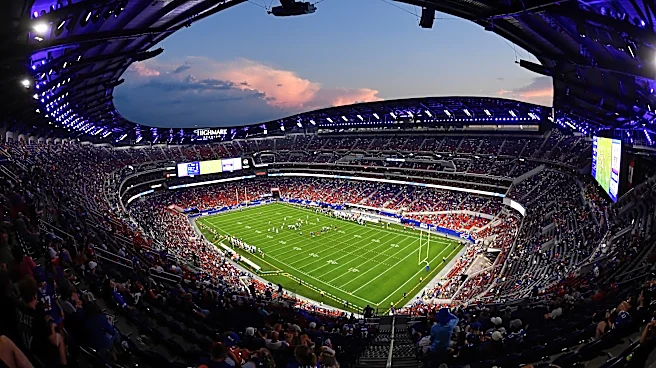
Chicago’s publicly owned stadium – the Bears have been a tenant since 1971 – hasn’t resembled anything close to a football palace in many decades. Back in the day, most of its seating capacity was in the end zones, where fans squinted to see Walter Payton on the field while that nasty late-season weather blew in off Lake Michigan. Whether the building improved much after being remodeled in 2002, many likening the new iteration to a UFO landing between the famed colonnades, is a matter of debate. What’s inarguable is that it is an outmoded facility without the creature comforts NFL fans – and other potential attractions and their supporters – now demand. Also, Soldier Field’s capacity (61,500) is the NFL’s lowest aside from small-market Buffalo’s brand new Highmark Stadium, which is superior to Soldier Field in every other way. Mostly.
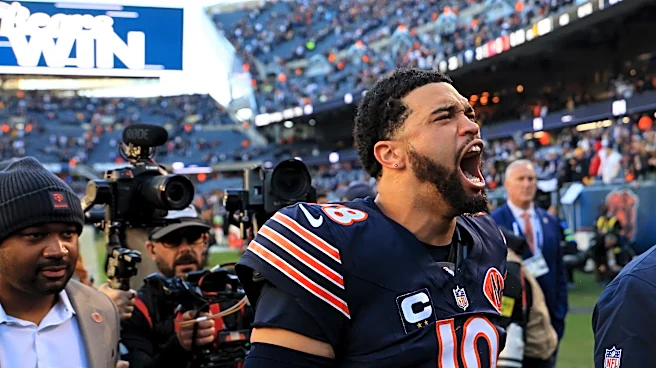
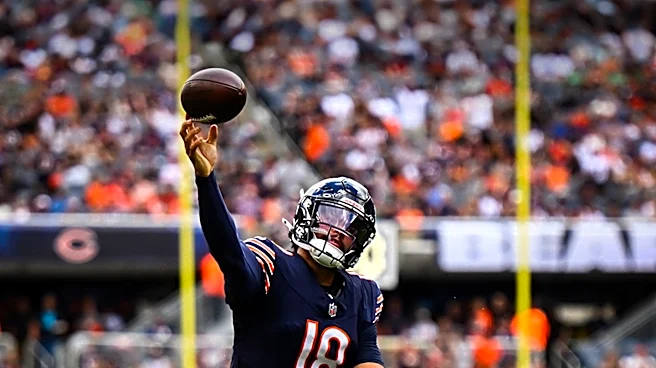
Again, nothing is written in stone here as the Bears and Illinois politicians exchange pointed rhetoric. Maybe Hammond amounts to nothing more than a leverage ploy. Maybe it has Hoosier magic that will rub off on quarterback Caleb Williams' right arm. But with a Soldier Field lease that runs through the 2033 season, there's time − dwindling as it is − to find another arrangement between team and city. Would it be a bummer if the Bears left Chicago – especially for those who live in town and can take the bus, the L or simply walk to the games? Absolutely. But fans quickly acclimate to new realities, and that’s easier when you’re adapting to an infinitely superior game-day experience … the commute notwithstanding. As for the brand? That seems to the Rubicon that McCaskey won't cross.
“We will be the Chicago Bears whether we're in Arlington or whether we're in Hammond," he said.
"Our focus is on Hammond, that's where we're advancing our efforts, and that's where the bulk of our time, attention and resources are being devoted."
And where Bears fans will migrate, however begrudgingly, if they eventually have to.
All the NFL news on and off the field. Sign up for USA TODAY's 4th and Monday newsletter.
This article originally appeared on USA TODAY: Advice to Chicago folks who think Bears won't leave: Look around the NFL | Opinion