



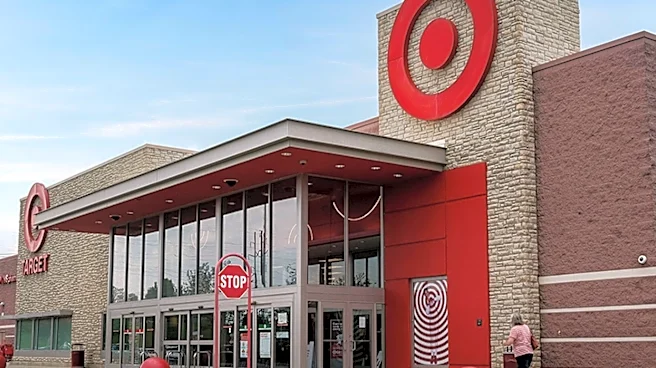


American cities have a problem. Violent crime is falling, but other offenses, including shoplifting and transit fare evasion, are on the rise. These crimes may seem minor compared with homicide, but they take a toll on everyday life.
Few candidates make these issues central to their campaigns. Saritha Komatireddy, candidate for New York attorney general, is one of them. She's showing Republicans how they could appeal to urban voters fed up with crime and disorder.
Shoplifting and fare evasion may seem like inevitable parts of urban life, but they don't have to be. Decline is a choice, and progressive leaders have too often chosen to tolerate petty crime rather than enforce the law. The solution: Elect leaders willing to punish those who break
the law and undermine public trust.
New York's Republican attorney general candidate gets it

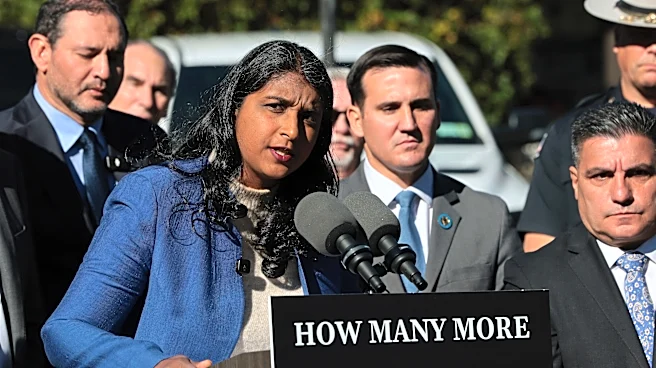
Komatireddy, a former prosecutor, gets this. She's made safer public transit and cracking down on shoplifting central to her campaign against incumbent Democrat Letitia James. Komatireddy's motto: "Just fight crime."
She has her work cut out for her. Polling and prediction markets put her at a considerable disadvantage in deep-blue New York. But her message could resonate with New York City voters frustrated by crime and disorder.
In 2025, only 34% of New Yorkers rated their quality of life as "excellent" or "good." Just 42% gave their neighborhoods high marks for safety, and only half felt safe riding the subway during the day. After dark, that figure dropped to 22%. Those numbers suggest an opening for Republicans willing to take urban voters' concerns about crime seriously.
On New York's bail reforms, Komatireddy has a nuanced take. She wants judges to have more discretion, including the ability to consider whether defendants pose a danger to the public.
"The way forward is to allow judges in New York to have discretion in every case, and consider the dangerousness of an individual before allowing them to go back into the community," Komatireddy said during a recent debate against James.
New York City voters showed their appetite for change in November by electing Zohran Mamdani as mayor. Yet even Mamdani, a progressive who advocates free public transit, has maintained fare evasion enforcement. Arrests remain roughly at the levels seen under his predecessor, Eric Adams, to the dismay of some progressives.
Meanwhile, the Metropolitan Transportation Authority is testing new subway fare gates that replace turnstiles with saloon-style doors. The agency says the gates have reduced fare evasion by 35% at 20 stations where they've been installed.
39% of Americans say public transportation is dangerous
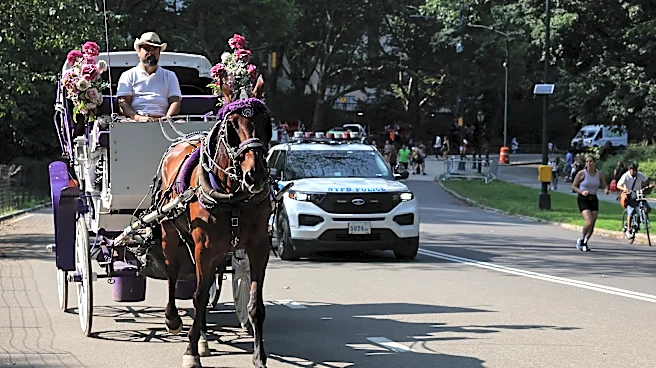
Americans are frustrated with crime and disorder on public transit. In one 2023 survey, 39% of Americans described public transportation as unsafe. Frequent riders tend to feel safer, but cities hoping to attract more passengers need to address the concerns of people who aren't riding.
Shoplifting and fare evasion were growing problems in many cities even before the COVID-19 pandemic, as progressive attitudes toward law enforcement gained ground.
Over the past decade, some progressives have increasingly portrayed petty crimes as acts of desperation that deserve leniency rather than punishment. But this warped view of compassion has helped justify policies that make urban life worse.
In 2019, New York passed bail reforms restricting the use of cash bail for misdemeanors and nonviolent felonies. Overall crime hasn't risen, but repeat offenders account for a troubling share of certain offenses.
Subway crimes per ride have risen 40% since 2019. The New York Post identified 63 repeat offenders with more than 5,000 subway arrests among them. And in New York City, just 327 people accounted for nearly a third of shoplifting arrests in 2022.
Who pays the price for these misguided policies? Working-class New Yorkers who depend on public transit to get to work, and shoppers whose neighborhood stores close or put more merchandise behind lock and key.
Komatireddy is showing Republicans how to reach urban voters they've long written off. Her campaign offers a model for appealing to those voters, regardless of the election's outcome. Republicans aren't going to start winning races in deep-blue cities overnight, but even modest gains among urban voters could make a difference in close statewide races.
Most important, Komatireddy stays out of the culture war nonsense that traps so many Republican candidates and focuses on the issues New Yorkers deal with every day. Enforcing laws against petty crime shouldn't be controversial, but New York seems to have forgotten that. I'd wager New Yorkers care a lot more about feeling safe on the subway than the latest national culture war.
There's only so much a state attorney general can do about these problems. Changes to New York's bail laws, for example, must come from the state legislature. But an attorney general can help determine the state's approach to crime, and Komatireddy is making the case for tougher enforcement.
Her campaign offers Republicans a lesson: Focus on the problems voters encounter every day, not the latest skirmish in the culture war.
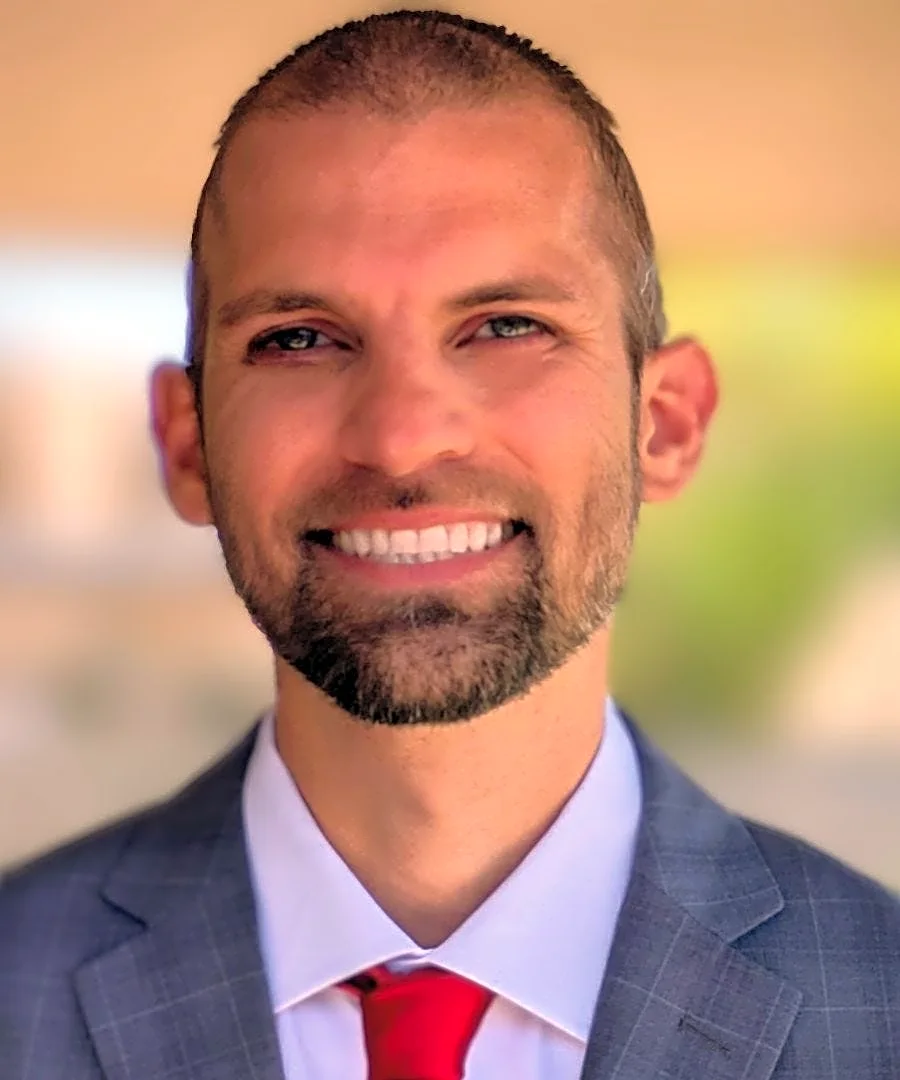
Dace Potas, a law student, is an opinion columnist for USA TODAY. Follow him on X: @DacePotas
This article originally appeared on USA TODAY: Saritha Komatireddy shows Republicans how to win urban voters | Opinion