
WASHINGTON – Several Republicans, including those in tight midterm races, are condemning President Donald Trump's deal with Vladimir Putin to import Russian diesel into the United States, denouncing a move
that lifts sanctions designed to isolate Russia economically from the rest of the world.
A bipartisan group of seven members on the Senate Foreign Relations Committee, including four Republican senators, issued a statement on Oct. 11 arguing Trump's deal with Putin violates a law Congress passed in 2022 banning Russian energy imports amid Russia's war in Ukraine.
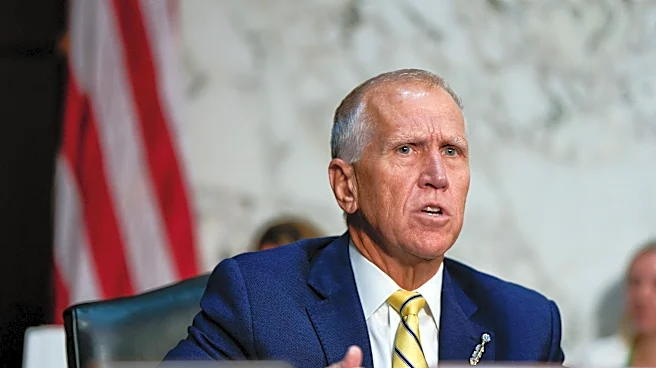
“President Trump’s decision to allow Russian diesel imports to the U.S. runs directly counter to that law," the senators say in the statement, which was signed by Republican Sens. Susan Collins of Maine, Thom Tillis of North Carolina, Lisa Murkowski of Alaska and John Curtis of Utah. "The Administration has also failed to consult with Congress or submit any explanation to justify its decision as required by statute.
All four of the GOP senators have a history of pushing back on Trump. Collins is seeking to keep her seat in one of the most competitive Senate races in the country, while Tillis is retiring at the end of the year.
“The United States should not provide Putin with a financial lifeline while Russia continues to kill Ukrainian civilians. The Administration must immediately reverse course," the statement, which was led by the committee's ranking Democrat, Sen. Jeanne Shaheen of New Hampshire, concludes.

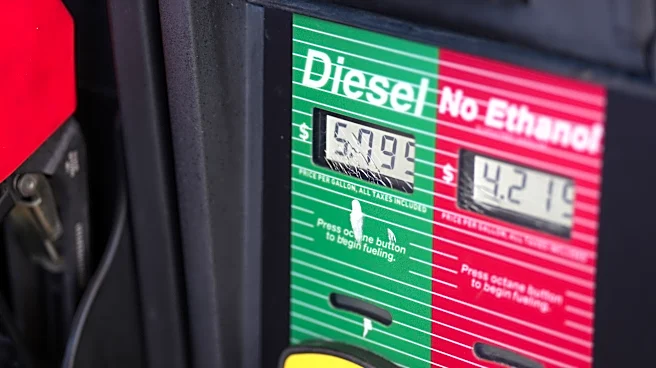
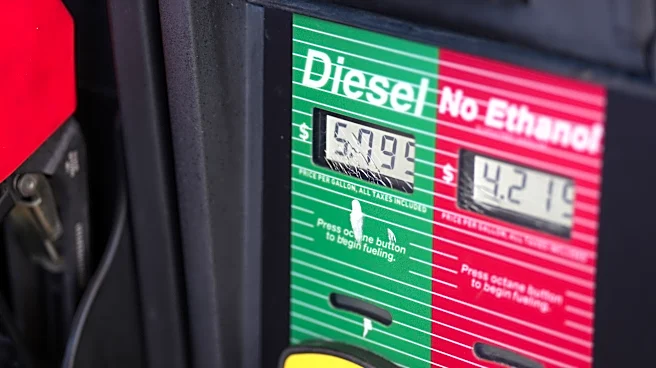
Trump's controversial deal, announced less than one month before the Nov. 3 midterm election, upends years of U.S. efforts to cut off Russian energy from the global markets after Putin's 2022 invasion of Ukraine. It comes as high fuel prices caused by the war in Iran pose major liabilities for Trump and Republicans as they try to hold onto power in Congress. Diesel prices have soared especially high, creating hardships for American farmers in several states with close midterm races.
Trump said Russia will supply U.S. and global marketplaces with 300,000 tons of diesel fuel "immediately," followed by 1 million tons in November and 3 million additional tons at an unspecified later time. To enable the deal, the Trump administration announced that it temporarily lifted Russian oil sanctions through April 7, 2027.
"I do believe there’s a legitimate case for saying the president’s not following the law," Tillis said in an Oct. 11 interview on NBC's "Meet the Press," referencing the 2022 law Congress passed banning Russian oil imports.
Michigan GOP nominee Mike Rogers opposes diesel deal with Putin
Democratic Minority Leader Chuck Schumer accused Trump of "doing a deal with the devil." The European Union, which has worked to isolate Russia, said the deal will help finance Putin's war efforts. And on the midterm campaign trail, some Republican candidates in tight races say they also oppose the diesel deal.
Michigan Republican Senate nominee Mike Rogers said, "Not on importing from Russia," when asked by a reporter whether he agrees with Trump's agreement with Putin.
"You just don't want to give that guy an inch," the former GOP congressman said.

Sen. John Kennedy, R-Louisiana, who was stumping for Rogers in Highland, Michigan, told reporters: "I support the president's decision to import diesel. I don't support his decision to import it from Putin."
"Vladimir Putin is a butcher. He's a butcher of his own people, and he's a butcher of the good people of Ukraine. He has blood under his fingernails. He will never be our friend," Kennedy added. "You know what's going to bring diesel prices down? An end to the war in Iran."
Republican Rep. Brian Fitzpatrick, who is in a tough midterm fight to hold on to his Pennsylvania congressional seat, said he plans to file bipartisan legislation that seeks to block any and all purchases of Russian oil.
"It will be called the 'Ronald Reagan Peace Through Strength Act,'" Fitzpatrick said in a post on X. "It will be forced to the Floor via discharge and it will pass overwhelmingly."
Trump's stunning reversal of U.S. policy on dealings with Russia came just weeks after he signed a major Russia sanctions package ‒ legislation named after the late Republican Sen. Lindsey Graham of South Carolina ‒ that was meant to suffocate the Russian economy.

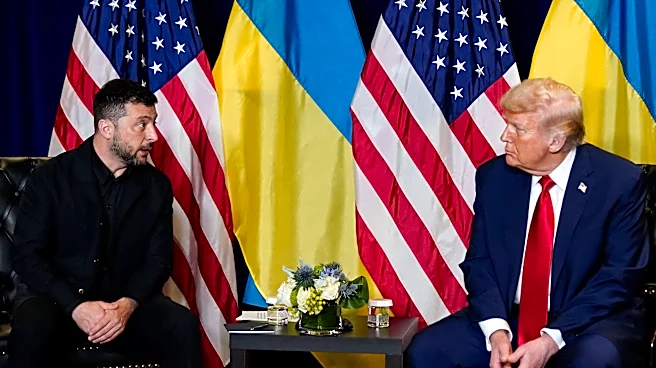
After thanking Putin for agreeing to the deal, Trump over the weekend called for leadership change in Ukraine, blaming Ukrainian President Volodymyr Zelenskyy for driving up global energy prices and prolonging a war that Russia started.
"I think it's time for Ukraine to get a new president," Trump told reporters on Oct. 10. "I suggest they get a new leader who can make a deal."
Trump's remarks came after Zelenskyy sharply criticized the president for lifting Russian sanctions, calling it "an obvious weakness" that "plays into Russia's hands."
Energy experts, meanwhile, have doubts that Trump's efforts to import Russian diesel will significantly lower diesel costs before the November election. The average price for a gallon of diesel fuel has shot up to $6.23 nationally amid the U.S. war with Iran
Patrick De Haan, head of petroleum analysis for Gas Buddy, predicted that the agreement could result in a short-term reduction of 10 to 20 cents for a gallon of diesel. However, he said it will be "difficult to achieve" Trump's import goals.
"The psychological impact may reduce prices temporarily but it’ll take more time to determine if Russia has such ability," De Haan said in a post on X.
Reach Joey Garrison on X @joeygarrison.
This article originally appeared on USA TODAY: Several Republicans turn on Trump over diesel deal with Russia's Putin