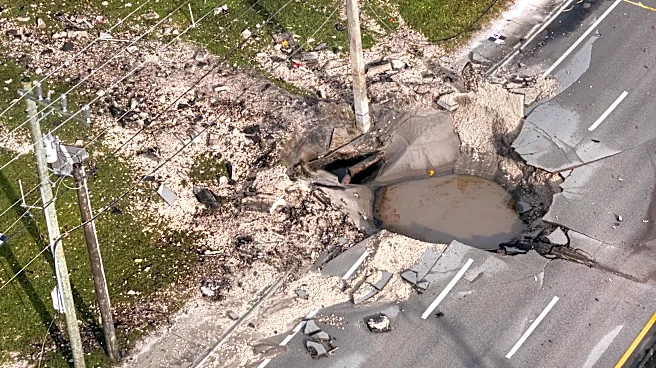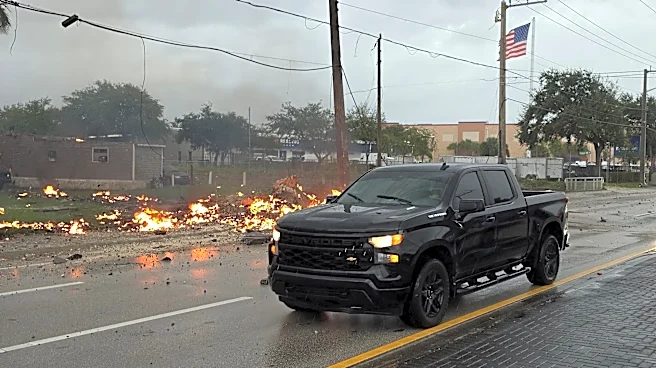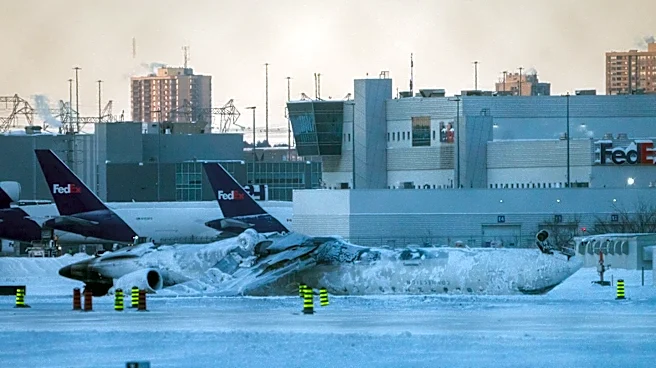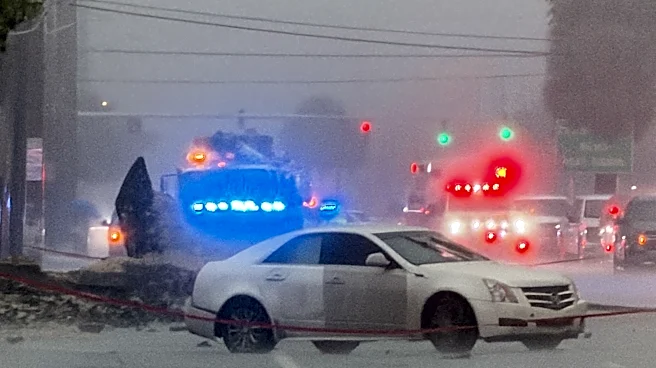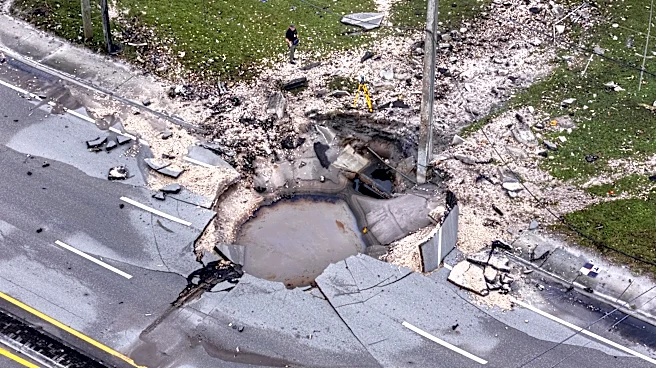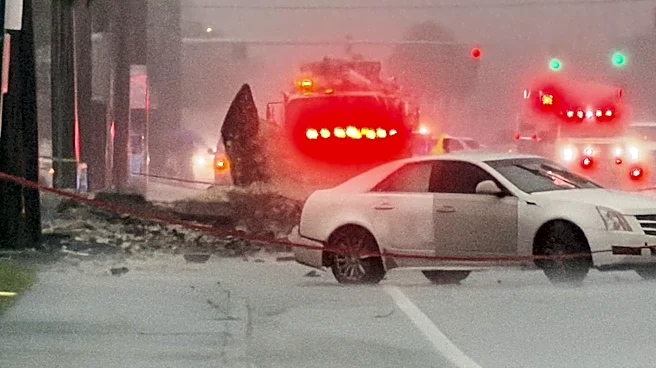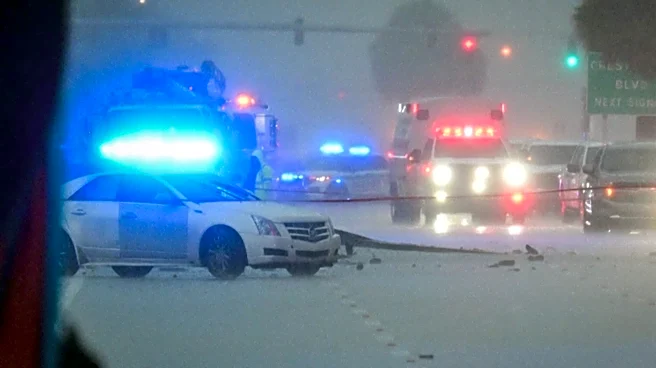







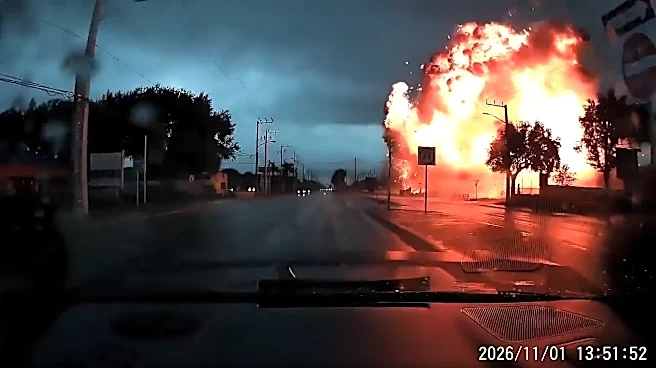
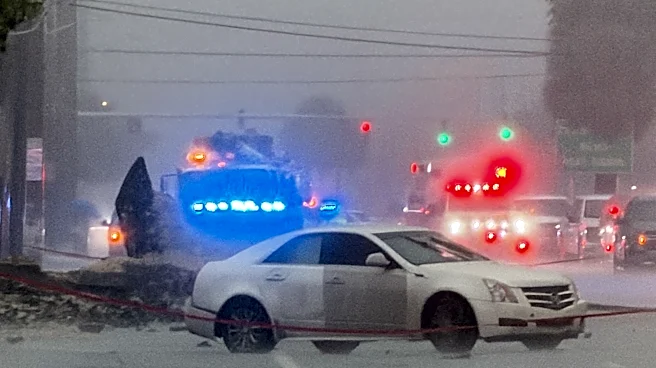

It's going to be a while before we know what caused a Learjet 60 to crash in South Florida on Nov. 1.
All nine people on board the private business plane died when it plummeted in Palm Beach County.
However, one thing travelers should know is flying, in general, remains very safe – especially on commercial airliners, which most people take.
Here’s what else travelers should know.
Is there a risk of flying right now?
A May 2026 comparative risk analysis by Mihhail Berezovski, an associate professor and director of Undergraduate Research at Embry-Riddle Aeronautical University, found that “the probability of a fatality per airline boarding is dramatically lower than the per-event risk associated with many common recreational activities, including skiing, scuba diving, marathon running,
and skydiving."
Of the more than 1,000 aviation investigations initiated by the National Transportation Safety Board in 2026, only a few involve commercial aviation.
However Berezovski’s colleague Kristy Kiernan, associate director of Embry-Riddle's Boeing Center for Aviation and Aerospace Safety, says private aviation isn’t necessarily less safe.
“When we say, ‘private aviation’ that runs the gamut from highly structured organizations with robust safety management programs and strong safety cultures, to people who own their own airplanes, and are not required to demonstrate the same level of requirements,” she told USA TODAY by email. “It's just like a commercial bus company has different requirements than you do for driving your own car.”

What is the difference between a commercial flight and private?
Aside from the size differences, commercial and private aircraft are certified and regulated differently by the Federal Aviation Administration. There are also different training requirements for pilots and maintenance requirements for planes.
Commercial aviation encompasses cargo planes as well as large and regional U.S. carriers. These historically have the lowest accident rates, according to Robert W. Mann Jr., a former airline executive and current president of independent airline consultancy R.W. Mann and Co.
Private aviation includes corporate planes, charter planes, and privately owned general aviation aircraft. Mann noted that general aviation/owner/operator aircraft historically have the highest accident rates, with many “relatively low time and infrequent operators, including many accidents in Alaska, a challenging weather flying environment even for experienced pilots.”
This article originally appeared on USA TODAY: How safe is air travel now? What to know after the Learjet 60 crash