


Nobody wants to be polyester.
Not on TikTok, anyway.
A recent viral video shows an 18-year-old talking about his dream adult lifestyle. "I want to wake up at 6 a.m. in my New York City penthouse, Bible study with the boys before anything else ... Blue light glasses on, deep work, house music, locked in. I'm not gonna even be doing half of the work because my Claude agent is gonna be running automatic in the background."“Polyester lifestyle,” reads the top comment on one TikTok, which has racked up more than 40,000 likes.
@problemsolver150 The Industrial Revolution and it’s consequences
♬ original sound - problemsolver Ⓐ
What does ‘polyester’ mean?
That term, "polyester," is popping up more and more online.
In short, Gen Zers are using it to call something low-quality or cheap.
But the phrase’s revamped meaning is a bit more complex.
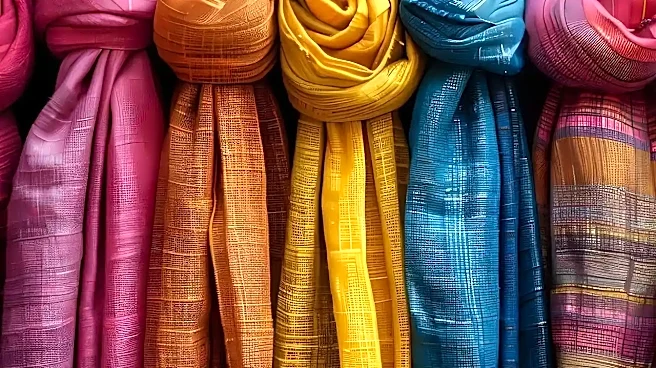
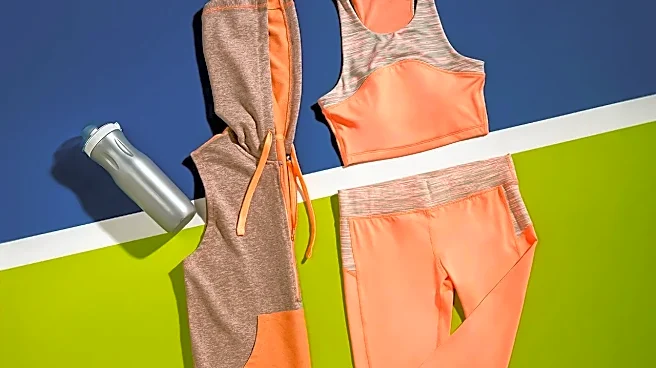
It stems from a negative perception of polyester fabrics that's been growing for some years, compared to high-blend cotton fabrics. Creators on TikTok and X have racked up millions of views with posts about efforts to rid their closets of polyester and the struggle to find high-quality clothes.
Many Twitch streamers, influencers and YouTubers have been made fun of for selling 100% polyester merch in the past, notably LowTierGod, who critics jokingly refer to as “the Polyester Prince.”
These polyester fits have also been parodied in video skits, where comedians put on an all-over polyester print outfit, like a wolf T-shirt and galaxy pants, and parody the stereotypical nerdy kid.
In fall of 2025, an edit of Peter Parker from the "Spider-Man" films was shared on TikTok, featuring fast-cut clips of the character layered over one another in a chaotic fashion, set to a metallic, high-pitched audio. The edit recently resurfaced and was dubbed the "Polyester Spider-Man Edit" by TikTok users.
@foryouamvv spider Man! song by @Rj Pasin #spiderman #spidermanedit #andrewgarfield #andrewgarfieldedit #fyp
♬ original sound - Rj Pasin
So-called "polyester edits" have since been made for several characters since, sticking to the format of the original "Spider-Man" one down to the speed, sound and length. “Polyester Ronaldo,” reads the caption on one edit of soccer superstar Cristiano Ronaldo.
TikTok users who've dubbed the style "polyester" seem to regard themselves as having a refined taste − and not just when it comes to social media video edits.
What ‘polyester’ says about Gen Z
While polyester originated in the video editing community, the slang has become another way to call something generic or low-quality.
It’s the latest in a zeitgeist of Gen Z slang terms focused on authenticity and quality.There’s larping, the word young people are repurposing from its original Live-action role-playing definition to call out someone they think is inauthentic, and Gen Z insults like “industry plant.”
And there was the "performative male" trend, which referred to those matcha-drinking, tote-bag carrying young men reading books on the subway.
From the curated Gen Z pout to the polished "influencer accent" that have flooded TikTok’s For You Page, young people place a lot of focus on constantly editing themselves and trimming anything that might come off as "try-hard," awkward or embarrassing.
The rise of terms like "polyester" and "larping" reflects Gen Z’s heightened concern around authenticity, Don Grant, a media psychologist who is the National Adviser of Healthy Device Management for Newport Healthcare, previously told USA TODAY.
“Gen Z is very insecure, cautious,” says Grant. “They grew up with everything online becoming their social currency and the litmus of who they are.”
Morgan Hurlock, 24, of Philadelphia, agreed her generation is concerned about quality. With the rise of the influencers, artificial intelligence and ad-driven social media content, young people want to know a person is real before taking their story at face value.
“I think everyone, especially in Gen Z, scrolls inherently with this feeling of distrust for every video,” Hurlock previously told USA TODAY.
Rachel Hale’s role covering Youth Mental Health at USA TODAY is supported by a partnership with Pivotal and Journalism Funding Partners. Funders do not provide editorial input.
Reach her at rhale@usatoday.com and@rachelleighhale on X.
This article originally appeared on USA TODAY: 'Polyester’ is Gen Z’s newest viral insult. Here’s what it means.