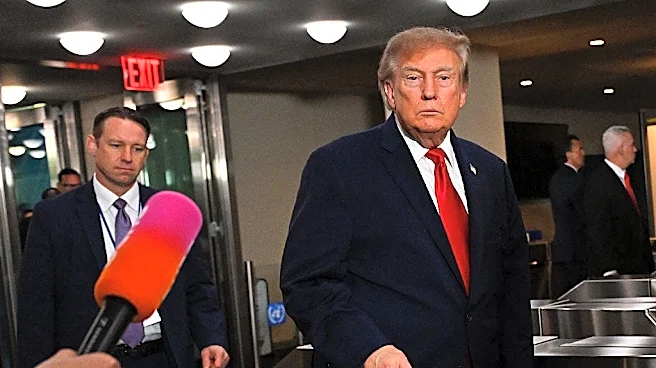



California’s top officials have spent the year in election-defense mode — battling a county sheriff over his seizure of ballots in the 2025 special election, refuting claims made by President Donald Trump and others amid California’s primary elections, and challenging major changes to mail voting.
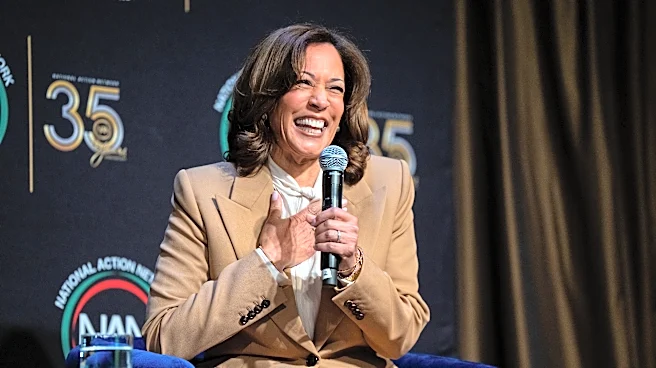
Just days ago, Gov. Gavin Newsom signed over a dozen bills into law his office characterized as an “election-protection package.”
“Donald Trump won’t stop until he can exert dictatorial control over your free vote and disenfranchise millions of people this November,” Newsom said in a statement. “California will stop him at every opportunity.”
He described the bills he signed as building “upon the wall California has built to safeguard our electoral process.”
It comes as nearly half of Americans expect the upcoming midterm elections to be free and fair, according to a survey from UC San Diego’s Center for Transparent and Trusted Elections conducted in early September. However, nearly a quarter (23%) don’t, and 28% said they didn’t know.
The survey also revealed that trust that votes are counted accurately nationwide has declined among Democrats, Republicans, and independents since after the 2024 election.
With the midterm elections quickly approaching, here’s what to know about some new election laws in California.
No arrests made near a polling place
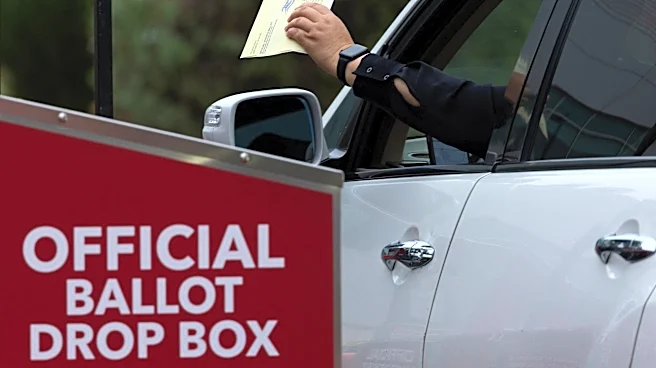
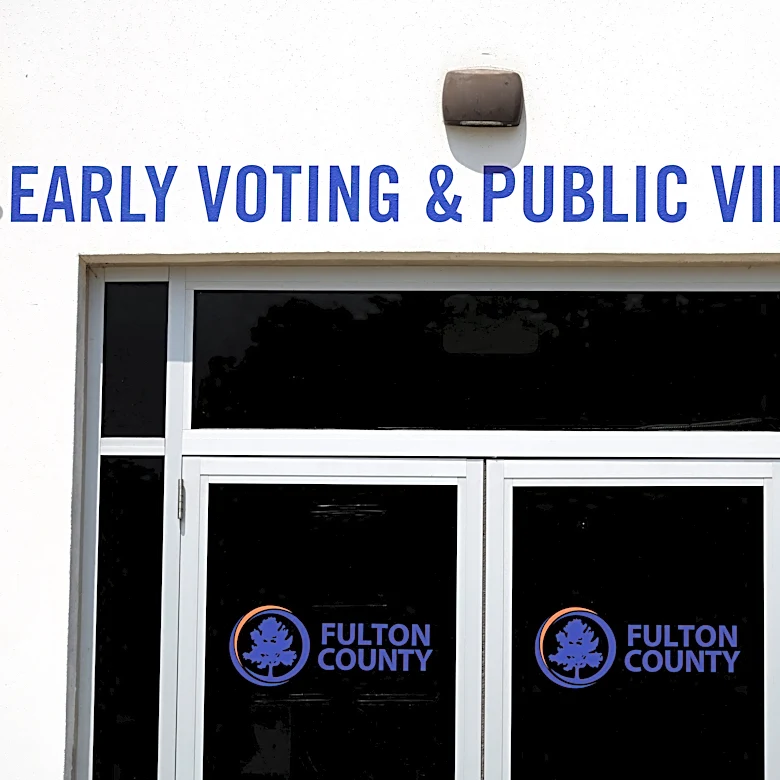
Ballot drop-off locations must open earlier than normal starting with midterms in November, thanks to SB 884. As it stands, ballot drop-off locations must open at least 28 days before an election. The new law changes that to at least 30 days before the election, and it’ll apply to all elections held through 2029.
The new law also bans police officers from making arrests within 200 feet of a polling place on Election Day, except if the crime involves disrupting the operation of the polling place or a crime against a person or property. Under SB 884, California gives county supervisors the authority to extend a ban on electioneering activities near polling places, such as obstructing access to a ballot drop box or displaying a candidate’s name. Authorities can extend this ban from within a hundred feet of voting locations to up to 200 feet.
Officials can’t suppress the vote
SB 1164 generally bans state agencies or localities in California from implementing or enforcing any election policy or practice that leads to voter suppression or is likely to lead to it. A policy or practice that would result in voter suppression is one that causes “a material disparity in voter participation” or “access to voting opportunities,” for example. Also, localities can’t use an election method that dilutes the vote of a protected class.
Seizure of ballots, ballot interference a felony
Under SB 259,it’s a felony for a “person with authority” to direct those they supervise to interfere with a ballot being returned to a local elections official or delivered to a voter. It also makes it a misdemeanor for “any person having charge of a vote by mail ballot” to interfere with a ballot being delivered to a voter.
Meanwhile, AB 282 makes it a felony to seize, cause, or assist in the seizure of ballots, election records, or voting technology before an elections official certifies election results. It’s also a felony for someone with authority to direct another person they supervise to do this.
Deepfakes of political candidates
An existing law addressing deepfakes and other manipulated video that was set to sunset in 2027 is getting renewed life thanks to AB 686. Essentially, you can’t distribute deepfakes of a candidate on the ballot to harm their reputation or deceive a voter into voting for or against the candidate unless you disclose that the video or audio was manipulated. This applies to content distributed within 60 days of an election. AB 686 sunsets in 2031.
Elections officials must tell California officials ASAP about warrants, investigations
AB 1664 is creating tighter deadlines for officials. Elections officials must notify the California Secretary of State and Attorney General “immediately” after learning of any warrant, subpoena, or law enforcement investigation related to election records or voting technology in their custody or control. At the latest, officials have no more than one calendar day to provide this notice.
Paris Barraza is a reporter covering Los Angeles and Southern California for the USA TODAY Network. Reach her at pbarraza@usatodayco.com.
This article originally appeared on USA TODAY: California gears up for attacks on elections ahead of midterms