









Code words and phrases have been used throughout history. They helped undercover agents communicate during wartime, helped safely transport people on the Underground Railroad and in modern times help tech companies keep the names of their next big products under wraps.
Codes can be used and created by anyone. Implementing codes with your trusted circle can help everyone communicate something when they’re uncomfortable or unable to say it outright. It’s a tool you hope you'll never have to use but will be glad to have if you do.
Watch this video to see how you can use code words with your family.
Safety code words
Codes can come in all shapes and sizes, from words to phrases to emojis. All that matters is that they work for you and your family.
A good code isn’t easily
deciphered. To keep the message under the radar, you can try:
- Adding an extra adverb: Adding an extra adverb can change the meaning and trigger the code. If you say you “really” want to do something, it means exactly that. But if you say you “really, really” want to, that’s a subtle way to indicate you want to say no but don’t feel comfortable doing so and need an assist.
- Repurposing common phrases: A message from your partner or kid saying, “I have a sore throat,” or asking, “Do we have plans tonight” can be a code indicating they need you to come get them ASAP.
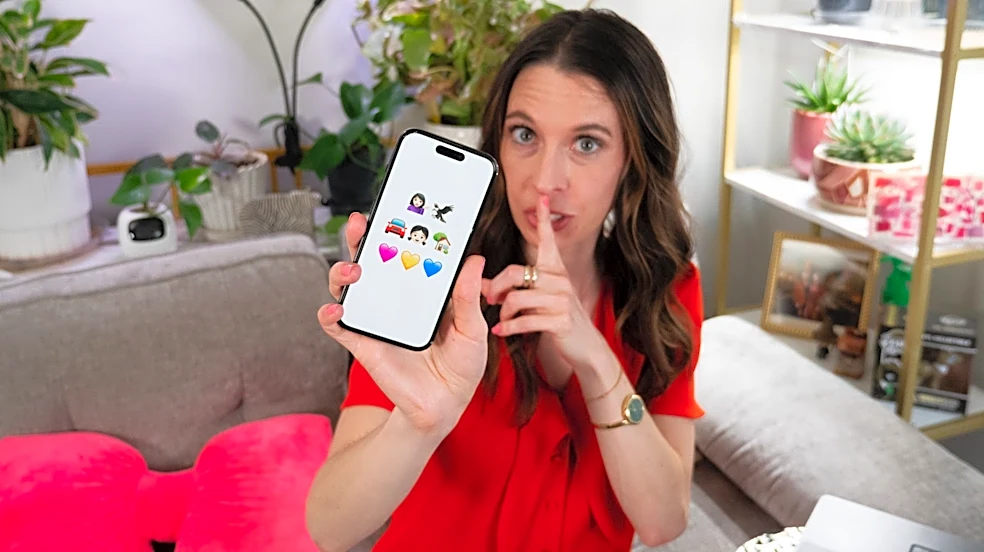
- Emojis: Pictures are worth a thousand words, and that extends to emojis. You can decide on specific meanings for ordinary emojis as part of your code, like using the pink heart to indicate “all good,” yellow to mean “come get me” and blue to signal “I’m in danger.”
There are times when you can be less obvious with the code, especially if it’s one that needs to be changed regularly. Think of code phrases like passwords. You can proceed when the correct one is used.
Code phrases can help keep your kids safe, too. For example, if your child is getting picked up by someone who isn’t a parent, guardian or regular caregiver, a code phrase is a way to indicate to your child that it’s safe to get in the car. If the driver says, “sparkly potato,” your kid knows it’s safe to get in. But if they say “flower pot,” your kid knows to decline the offer. Just remember to change the phrase after each use.
Whatever the code or phrase, the most important part is for it to be simple and subtle, and for it to be shared with only a few trusted people.
This article originally appeared on USA TODAY: How code words and emojis can help you in uncomfortable situations