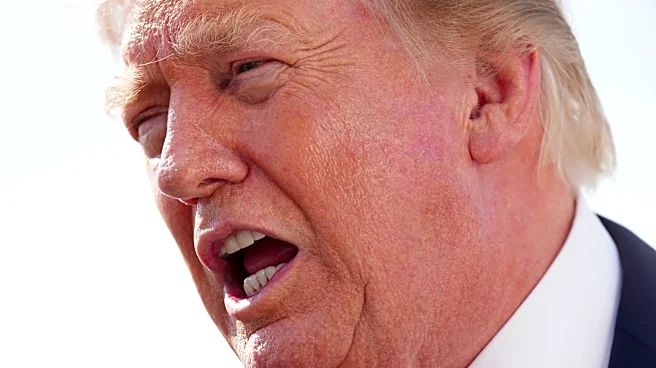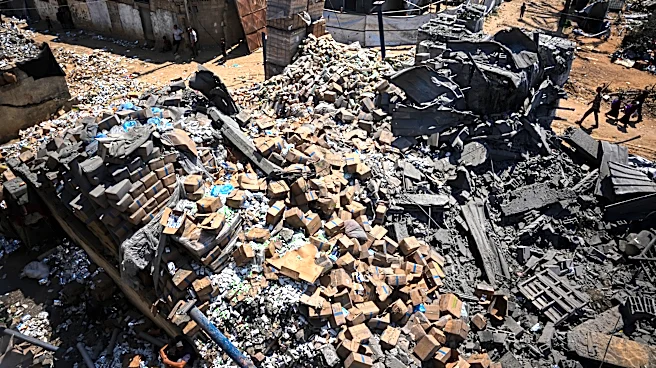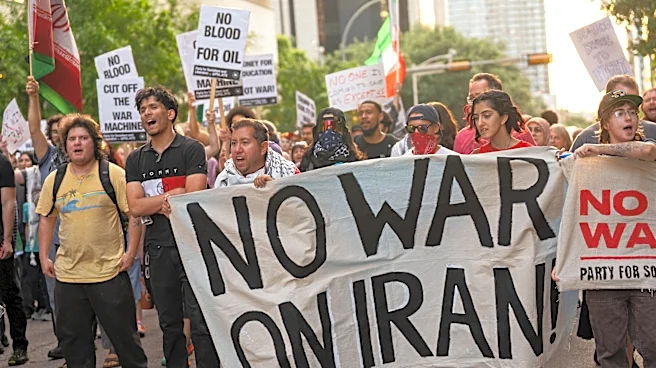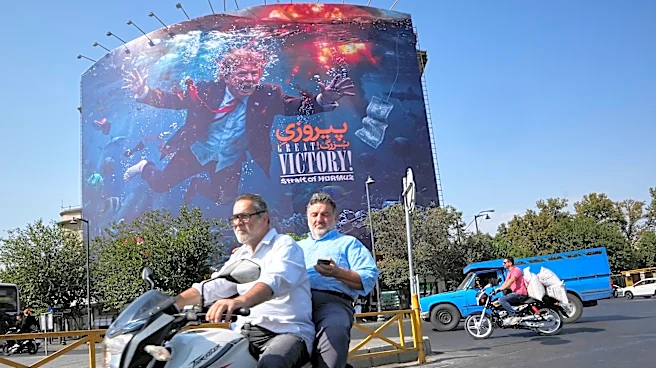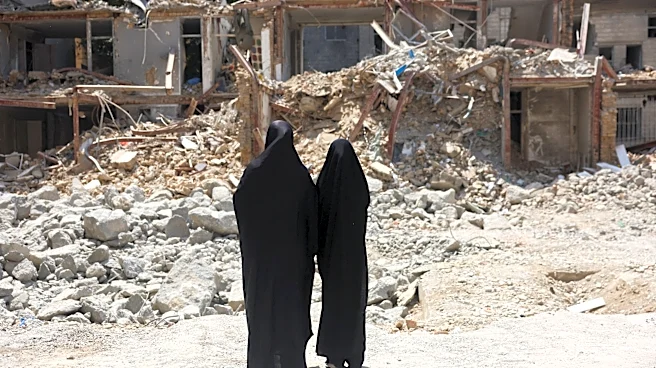


On the Friday, August 28, 2026, episode of The Excerpt podcast: We’re now six months into the US-Israeli War in Iran, a war with seemingly no end in sight. It’s cost American taxpayers tens of billions of dollars and the lives of 18 servicemen. Does President Donald Trump have an exit strategy? USA TODAY Bureau Chief Susan Page breaks down where we are at the half year mark.
Hit play on the player below to hear the podcast and follow along with the transcript beneath it.
This transcript was automatically generated, and then edited for clarity in its current form. There may be some differences between the audio and the text.
Podcasts: True crime, in-depth interviews and more USA TODAY podcasts right here
Dana Taylor:
We're now six months into the
US-Israeli war in Iran, a war with no clear goals and seemingly no end in sight. It's cost American taxpayers tens of billions of dollars and the lives of 18 servicemen. Can we assign any more meaning to it today? Hello and welcome to USA TODAY's The Excerpt. I'm Dana Taylor. Today is Friday, August 28, 2026. To dig into the politics of this moment, I'm now joined by USA TODAY Washington Bureau Chief Susan Page. Susan, thank you so much for joining me.
Susan Page:
Hey Dana, it's great to be back with you.
Dana Taylor:
Susan, your story starts out with a real zinger. You wrote that war can consume presidencies and quoted LBJ who said, "That bitch of a war killed the lady I really loved, the great society." Susan, is this war going to end up defining Trump's second term?
Susan Page:
The war that LBJ was talking about was of course the Vietnam War. And for Johnson who enacted the most significant domestic programs of any modern president, Medicare, Medicaid, the Civil Rights Act, the Voting Rights Act, the fact that his presidency is judged first and foremost by the war in Vietnam was a very hard lesson for him. So the question now is this war in Iran, of course, hasn't lasted nearly as long as Vietnam, six months versus more than 19 years, hasn't involved the deployment of the kind of forces that LBJ deployed in Vietnam at the peak more than 500,000. And yet there are questions about just how large the war in Iran will loom in the final assessments of Trump's presidency. I think that's a question we can't answer now, but it's one that we can begin to ask.
Dana Taylor:
It's clear that Trump wants to wrap things up in Iran, but how can this happen? What's a workable exit strategy here?
Susan Page:
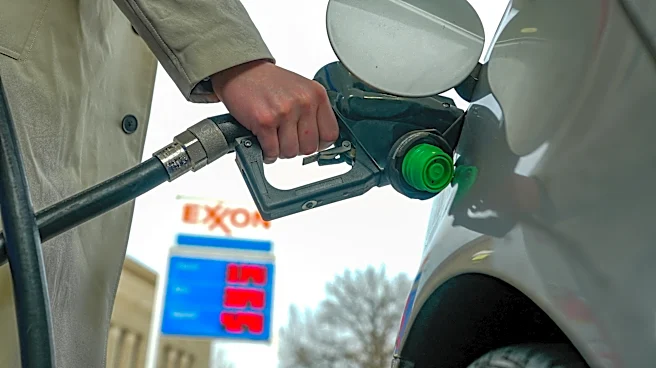
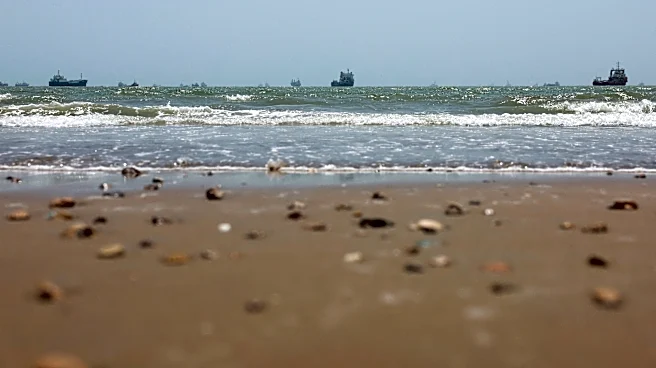
There's one thing that is preventing President Trump from having any kind of workable exit strategy, and that is the situation in the Strait of Hormuz. The fact that Iran continues to be able to disrupt the passage of energy supplies through the strait makes it really difficult for the Trump administration to declare that enough progress has been made on various fronts for the United States to end this war. It's so disruptive to the US economy, to Americans who see the impact at the gas pump, and to the world that until you resolve the situation in the strait, it's hard to imagine this war moving toward any kind of conclusion.
Dana Taylor:
We've seen previous negotiations crumble. Are there any planned talks with Iran on the books?
Susan Page:
There are no talks now planned, going on or planned, between the United States and Iran. And the previous negotiations, which President Trump sometimes hailed as being really on the verge of a big peace deal, of completion, those, as you say, have pretty much collapsed. There are some talks going on between Iran and Oman about the Strait of Hormuz, but they don't involve the United States, and it's not clear how far-reaching those deals can be.
Dana Taylor:
And then specifically, what about the ceasefire that was negotiated back in June?
Susan Page:
Yeah, what ceasefire? The memorandum of understanding that was reached in June called for a ceasefire that has been honored in the breach. Its timetable has already expired. It had a 60-day timetable to finish settling other difficult issues. And so, that memorandum of understanding is now I think effectively defunct.
Dana Taylor:
Earlier this week, Trump announced new economic sanctions against Iran calling it a "economic D-Day." Susan, what are they?
Susan Page:
Well, this is an effort by the United States to impose tougher secondary sanctions on Iranian targets. It's an effort to force companies, foreign companies, foreign governments to choose between isolating Iran or being isolated from the United States' economic system. It's not clear if this will work. Iran has already been subjected to pretty severe sanctions. It's also a kind of acknowledgement that the use of military force has not done the job with Iran in forcing it to the negotiating table. And if you're looking for more lessons from previous wars like Vietnam, one of them is, it is much easier to get into the war than it is to get out of a war.
Dana Taylor:
I want to recap what Trump and War Secretary Pete Hegseth gave as the reason for this conflict back in February. What did they say and did their stories evolve over the last six months?
Susan Page:
Yes, the reasons have had a certain evolution at times. One of the things that was mentioned early on was a change in the regime there, an uprising by the Iranian people against this Islamic theocracy, which has long had control. We don't hear so much about that anymore. The consistent theme the administration has adopted is that this war is being fought to make sure that Iran can never get a nuclear weapon.
Dana Taylor:
And six months in, is it at all clear what's been accomplished?
Susan Page:
Well, they haven't accomplished action toward that goal. The administration did cripple Iran's nuclear program in 2025 with bombing strikes on various facilities, but since this war began, there's been no effective action taken against its nuclear program.
Dana Taylor:
Is the war hurting Republicans on the campaign trail?
Susan Page:
This war is unpopular. It's been unpopular from the start. It has never commanded majority support of the American people in a credible national poll. That said, I don't think it's a big factor in the midterm elections, except in this way. Whenever the president is talking about the war in Iran, he is not talking about the kitchen table issues that Americans really care about. So that is a big opportunity cost.
Dana Taylor:
The global oil supply is still being impacted by this conflict with reports that traffic remains at a virtual standstill. I'm guessing that means we haven't seen the worst impacts yet, is that right?
Susan Page:
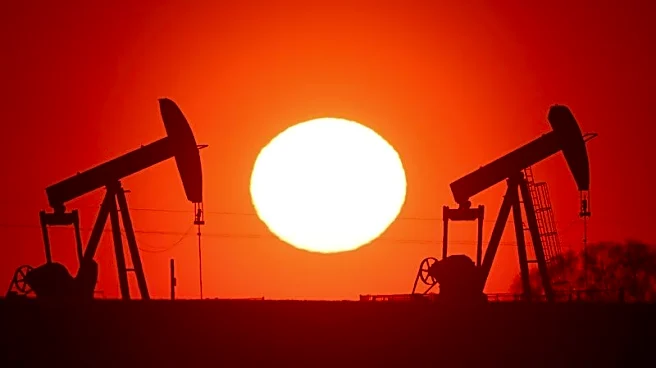
Well, we've seen the worst of the shock. That was very early on when the strait of Hormuz suddenly wasn't the safe and free passageway it had been. But the fact is until the Strait of Hormuz is open again and safe to go through and with nobody demanding a fee for you to do it, we're not through the impact on global oil prices.
Dana Taylor:
How does this war in Iran stack up next to other conflicts that seemingly dragged on like those in Vietnam and Afghanistan?
Susan Page:
If there's another hard lesson from this war, it's that military superiority does not guarantee a victory. We saw that in Vietnam. Two years after US troops were withdrawn, South Vietnam, our allies, had surrendered to North Vietnam. And think about Afghanistan as well, a huge military advantage there, but as US forces were finally being pulled out of there, the Taliban were once again taking control.
Dana Taylor:
And finally, Susan, what's the situation now?
Susan Page:
Six months in, this war is stalemated, and it's not clear what would get it moving towards some sort of resolution anytime soon.
Dana Taylor:
Susan Page is USA TODAY's Washington Bureau chief. Susan, I appreciate you joining me to share your insights here.
Susan Page:
Thank you.
Dana Taylor:
Make the Excerpt part of your weekday routine. New episodes are available every weekday morning. I'm Dana Taylor. Thanks for listening.
This article originally appeared on USA TODAY: What is Trump’s exit strategy in Iran? | The Excerpt