





Jurisprudence is not inaction.
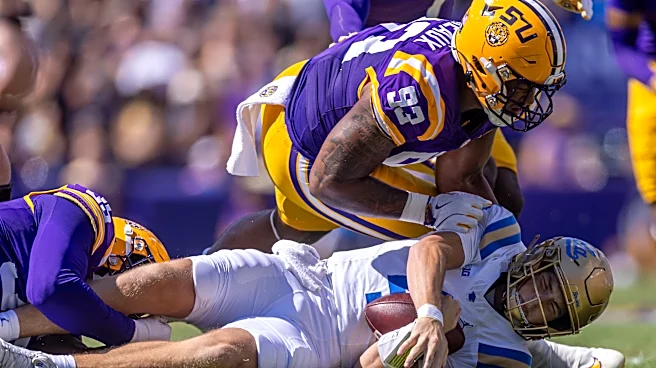
That's the default approach -- and tacit plan of action -- this week in the Southeastern Conference, specifically as it pertains to the football rosters of its member institutions and the intersection of the courts.
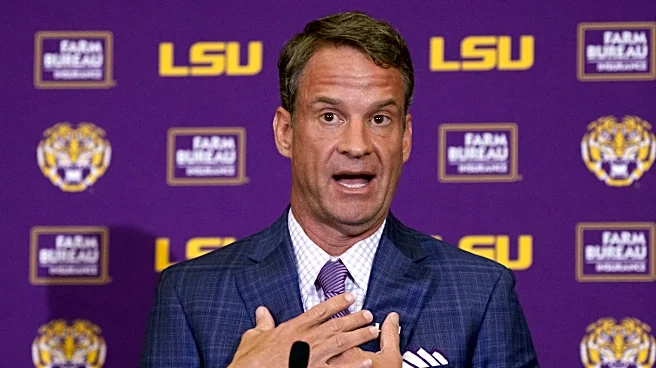
USA TODAY Sports on Monday, Aug. 31, reached out the SEC for any updated comment on this ongoing legal subject.
On Friday, Aug. 28, Louisiana 19th Judicial District Court Judge William Jorden added both the SEC and commissioner Greg Sankey to his temporary order that blocked the SEC's new policy.
While the SEC will contest that matter in court Thursday, Sept. 3, it is carefully monitoring the situation and in constant contact with its member schools and their representatives.
More specifically, four people
with knowledge of the proceedings told USA TODAY Sports on Monday, Aug. 31, the SEC is being clear in its stance -- without violating the letter of the law with implicit threats against rostering athletes in question. All four were granted anonymity to discuss a delicate legal situation.
"From our understanding, I think they're (SEC officials) appeasing the court but would do whatever they can to penalize these coaches or schools," said a person with direct knowledge of communications. "I think the SEC, they're willing to fight on that pretty heavily to keep that out of the league."
Added another executive at an SEC institution, "They have been very tight-lipped from the conference level. Basically, it was (an edict of) 'These are our rules and you all will live by them.'"
SEC bylaws allow Sankey wide discretion to impose penalties that range from financial punishments to an institution, specific to the athletic team in question, as well to directly punish coaches or other school officials.
After issuing a statement on Tuesday, Aug. 25, announcing its formal policy and following meetings with SEC presidents, chancellors and athletics directors that barred member institutions from rostering ex-pro athletes -- NFL, NBA, WNBA or otherwise, a Louisiana state judge issued a temporary restraining order that blocked the SEC from imposing penalties against member institutions who violated the SEC's new policy.
"They're saying it without saying (expressly), 'Don't do it,'" an individual at an SEC member institution with knowledge of proceedings told USA TODAY Sports. "Our university will always be ... cautious."
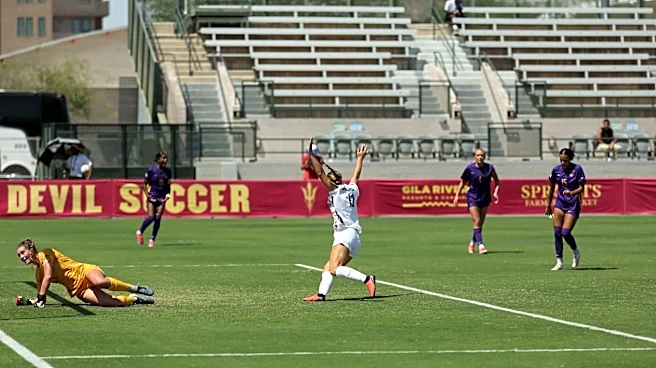
Already on Sunday, Aug. 30, LSU's women's soccer program elected to play two ex-players who had pursued professional soccer careers but returned to the collegiate ranks. Jocelyn Ollivierre and Jazmin Ferguson each logged 57 minutes on the pitch in LSU's draw at Arizona, that team's sixth competition of the season but those players' first game action since the judge's ruling.
Legal now does not mean free from potential SEC repercussions later, an individual reminded USA TODAY Sports.
"If the SEC wins in court and your team has played one of these (athletes), they can retroactively enact penalties," the person said.
One person put the conversation in plainer terms.
"My guy says that they are 'allowed to play' but the conference will penalize the schools and head coaches and make people decide that way," the individual said. "... The SEC was pounding their chest ... until they got named in the TRO (temporary restraining order)."
The SEC also is mindful of this tact as ex-pro basketball player Mark Mitchell seeks a return to the collegiate game at Missouri after initially pledging to Kentucky following participation in the NBA's summer league. Additionally, LSU's men's basketball program is poised to potentially add multiple former professional players -- most notably, R.J. Luis Jr. After his initial collegiate career concluded, Luis Jr. spent time with both the NBA's Utah Jazz and Boston Celtics organizations.
This article originally appeared on USA TODAY: SEC's lack of words not inaction regarding punishment of schools for playing pros