





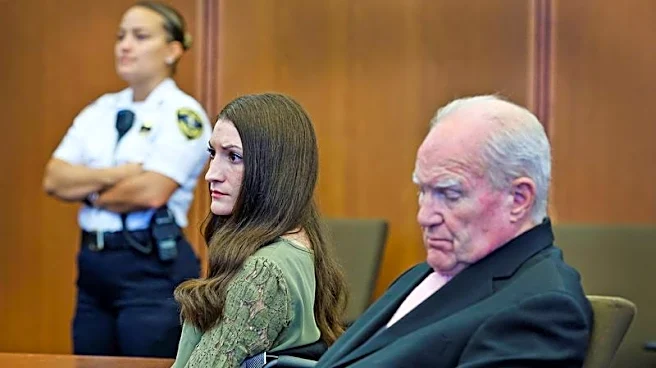


The five-week trial of mother Lindsay Clancy, accused of murder in the death of her three children in Massachusetts in 2023, has gripped the nation.
Last week, a hung jury resulted in a mistrial after a nine-person jury was unable to reach an unanimous decision on her guilt. Clancy pleaded not guilty by reason of insanity to the state murder charges, with her legal team arguing she was experiencing postpartum psychosis when she strangled her children.
The decision on whether to try the case again falls to Plymouth District Attorney Timothy Cruz, who has not yet publicized whether Clancy will go back to trial.
Now, a Georgia congressman says the Clancy trial is an example of why there needs to be federal limits on how and why a not guilty by reason
of insanity plea can be used.
Fuller calls for reform, death penalty
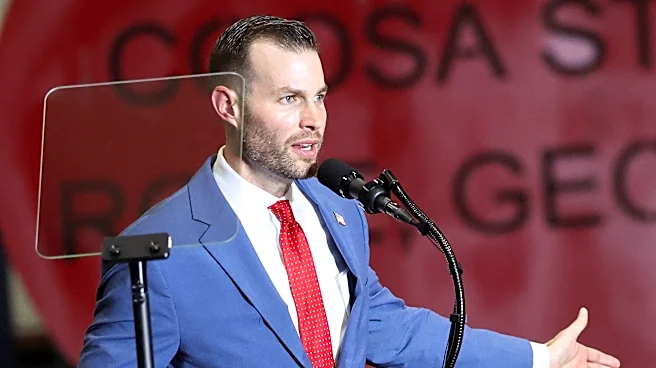
Representative Clay Fuller (R-GA), who won a special election this year to replace Marjorie Taylor Greene in Northwest Georgia, took to social media on Monday to propose new legislation in the fallout of the Clancy mistrial.
"You shouldn't get to murder three kids in cold blood and plead insanity to escape accountability. I'm introducing federal legislation to limit the insanity defense in federal crimes. Mental illness is not a get out of jail free card. Lindsay Clancy is a monster," Fuller said in a post on X.
Fuller went on to say in a video that "it is crazy to me that 'don't kill your kids' is now a partisan issue," and that he intends to introduce legislation that would limit the insanity defense, something he said many states have already done.
USA TODAY reached out to Fuller's office for more specifics about what this legislation may look like or when it could be proposed and did not receive a response.
Idaho, Kansas, Montana and Utah have all changed the way mental health can be used in the courtroom, including eliminating the "not guilty by reason of insanity plea" in some cases and instead introducing a "guilty with mental illness" plea. Fuller said he would support the change nationally, as Georgia already added a "guilty but mentally ill" verdict.
Fuller also said in the video he believes the death penalty should be on the table for Clancy. The death penalty is legal in Georgia, but not in Massachusetts where Clancy was being tried.
"I don't think it's a controversial issue that if you murder your three children that you should be facing the death penalty," Fuller said. "But at the very least, at the federal level, I want to make sure that we're limiting the insanity defense, as we've seen across the country, and also make sure that federal juries have the ability to convict someone and say you're guilty but mentally ill, and spend the rest of your life in prison, even though I think you should face the death penalty."
Clancy was not facing federal charges, so legislation like Fuller proposed would not change the process of her trial.
Trump weighs in, but pardon unlikely
Fuller's comments may have been sparked by President Trump recently being asked about the trial. Trump supported and campaigned with Fuller in his effort to replace Greene, and the congressman has been vocal in his strong support of the president in his first few months in office.
"Look, she did a horrible, horrible thing. Can't be worse. But you'll find out what the price to pay is, there'll be a price. It's going to be mental institution or jail or something," Trump said of Clancy when asked about the trial in the Oval Office on Sept. 4. He also said it was hard not to follow the trial because "it's on television so much."
During an interview on "Good Morning America" on Tuesday, Clancy's defense attorney, Kevin Reddington, said he hopes Trump would consider pardoning Clancy considering "the type of person she is, what she has been through."
Given Clancy was only facing state charges, and a presidential pardon is used for federal charges, a pardon for Clancy from Trump would be unprecedented and incredibly unlikely. Any pardon would instead have to come from Gov. Maura Healey, who can weigh in on state charges. The governor has not provided any public indication that a pardon is being considered.
Irene Wright is the Atlanta Connect reporter with USA Today’s Deep South Connect team. Find her on X @IreneEWright or email her at ismith@usatodayco.com.
This article originally appeared on USA TODAY: GA congressman calls for limits to insanity pleas amid Clancy trial