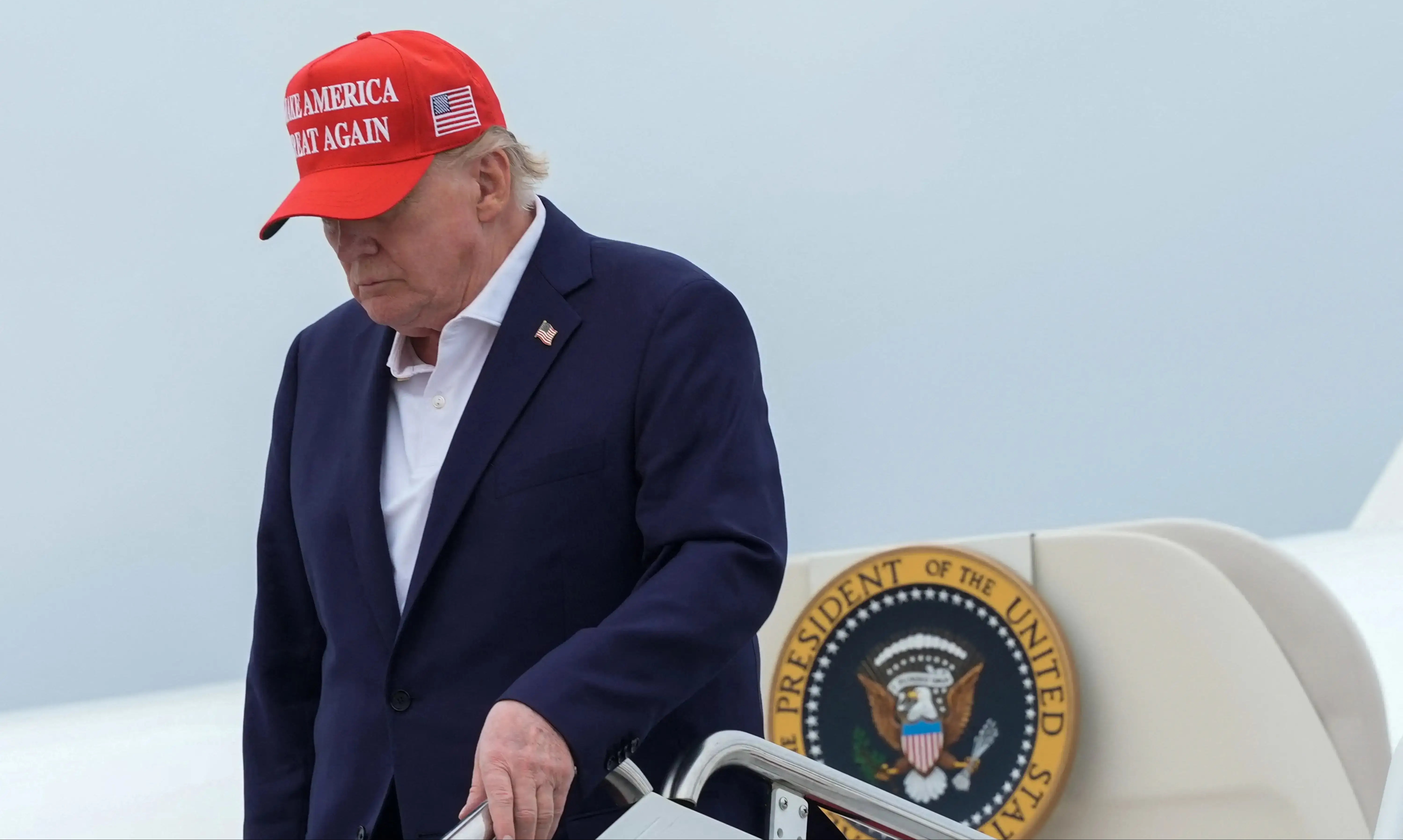





WASHINGTON – The Trump administration says it will be unveiling dramatic new measures against Iran, as soon as this week, that it hopes will cripple the nation's ailing economy and drain Tehran of the resources its needs to stay in the war.
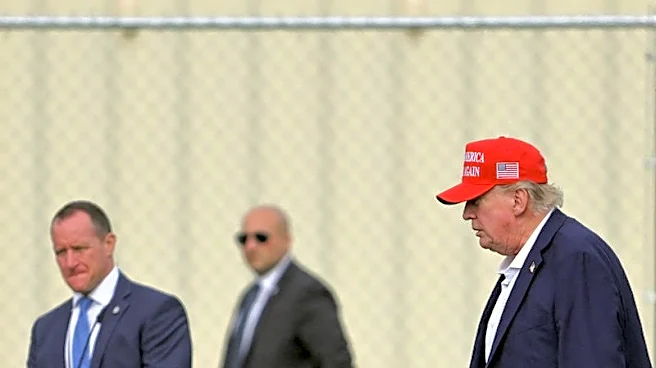
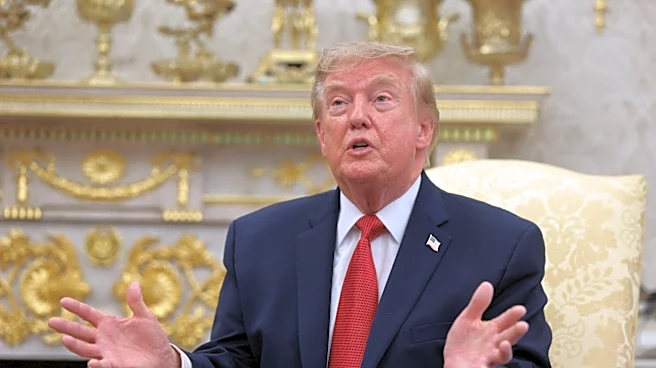
President Donald Trump said in an Aug. 19 social media post that an "ECONOMIC D-DAY" is coming for countries that lend any other type of lifeline to Iran, including the use of its airports and financial institutions. Oil purchases, cash transfers, swap lines and ship registries are among the list of actions Trump listed as triggers for punishing actions.
"It all needs to stop NOW. You know who you are," Trump wrote. "This will be an ECONOMIC D-DAY, and we need all of our Allies to stand with the United States
of America to isolate, and defeat, the Iran threat."
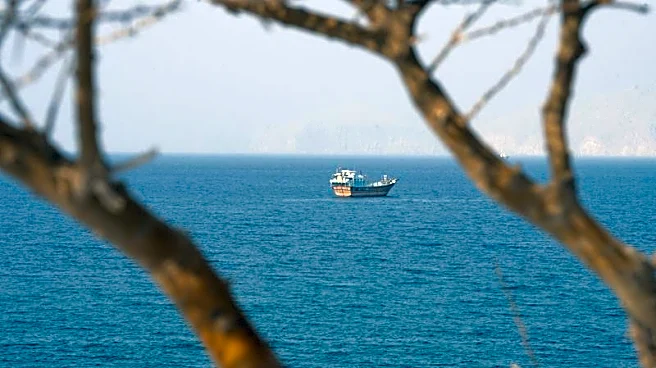
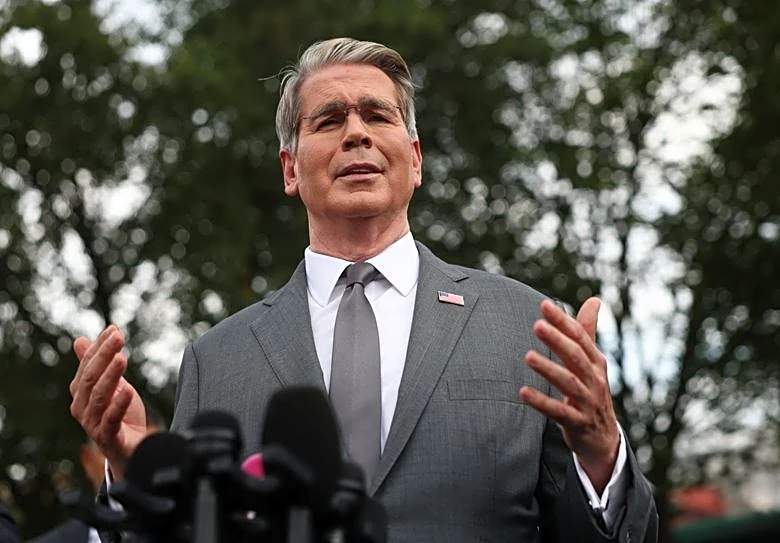
The threat followed an opaque warning from Treasury Secretary Scott Bessent that additional sanctions were on the way. The Cabinet secretary indicated that the measures were part of a tactical shift, nearly six months into a war that's shown no signs of stopping. Both countries have said no negotiations are taking place and are in dispute over who controls the Strait of Hormuz and whether it is open.
In the meantime, the U.S. has halted its bombing campaign and turned its attention instead to financially weakening Iran.
"We went from Epic Fury to Economic Fury," Bessent said during an Aug. 13 interview with Newsmax. "And at the president's orders, we have raised the level even again."
Iranian Foreign Minister Seyed Abbas Araghchi criticized the strategy on social media on Aug. 19 as a distraction from the United States' own economic problems and warned that it could drag down the global economy.
"The so-called 'Economic D-Day' is a diversion from America's own crisis: unprecedented debt & surging interest costs," Araghchi said. "Doubling down on failed policies will only bring further defeat – and enmity of Iranians. US economic terrorism threatens global economy and sovereignty worldwide."
The United Arab Emirates said earlier in the day that it was suspending trade and financial transactions with Iran. After the announcement and Trump's post, the price of oil ticked up.
No talks or negotiatons
Trump said on Aug. 18 that no talks of any kind are taking place with Iran, effectively leaving the unpopular conflict in a stalemate.
In a Truth Social post, Trump said the United States' naval blockade of Iranian ports remains in effect and that mines in the Strait of Hormuz had been removed or detonated.
"There are no talks or conversations going on, or scheduled, with the Islamic Republic of Iran. The Naval Blockade remains in full force and effect. The Hormuz Strait is open and operating," Trump stated.
The president indicated to reporters a day before, on Aug. 17, that he would let a June memorandum of understanding between the two countries that established a ceasefire and a framework for negotiations over Iran's nuclear program lapse.
Iran also said no peace talks are taking place, and called on the United States to extricate itself from the war.
“They have trapped themselves in a quagmire and, in order to justify their failures, they are forced to change their objectives,” Iranian Foreign Ministry spokesman Esmaeil Baqaei said on Aug. 17, according to state news agency Tasnim.
The U.S. has dug in its heels in a conflict that's increasingly roiled members of Trump's political party over elevated gas prices and cost of living increases, with the Pentagon pledging to maintain its blockade "indefinitely." It has sent the USS George Washington to relieve the USS Abraham Lincoln in the Middle East amid reports of deteriorating living conditions for service members, who've been at sea for nearly nine months.
"We’ll rotate ships in and out, as we have, and we’ll continue to,” Pentagon chief Pete Hegseth said on Aug. 13.
This article originally appeared on USA TODAY: Trump threatens 'Economic D-Day' for countries that help Iran