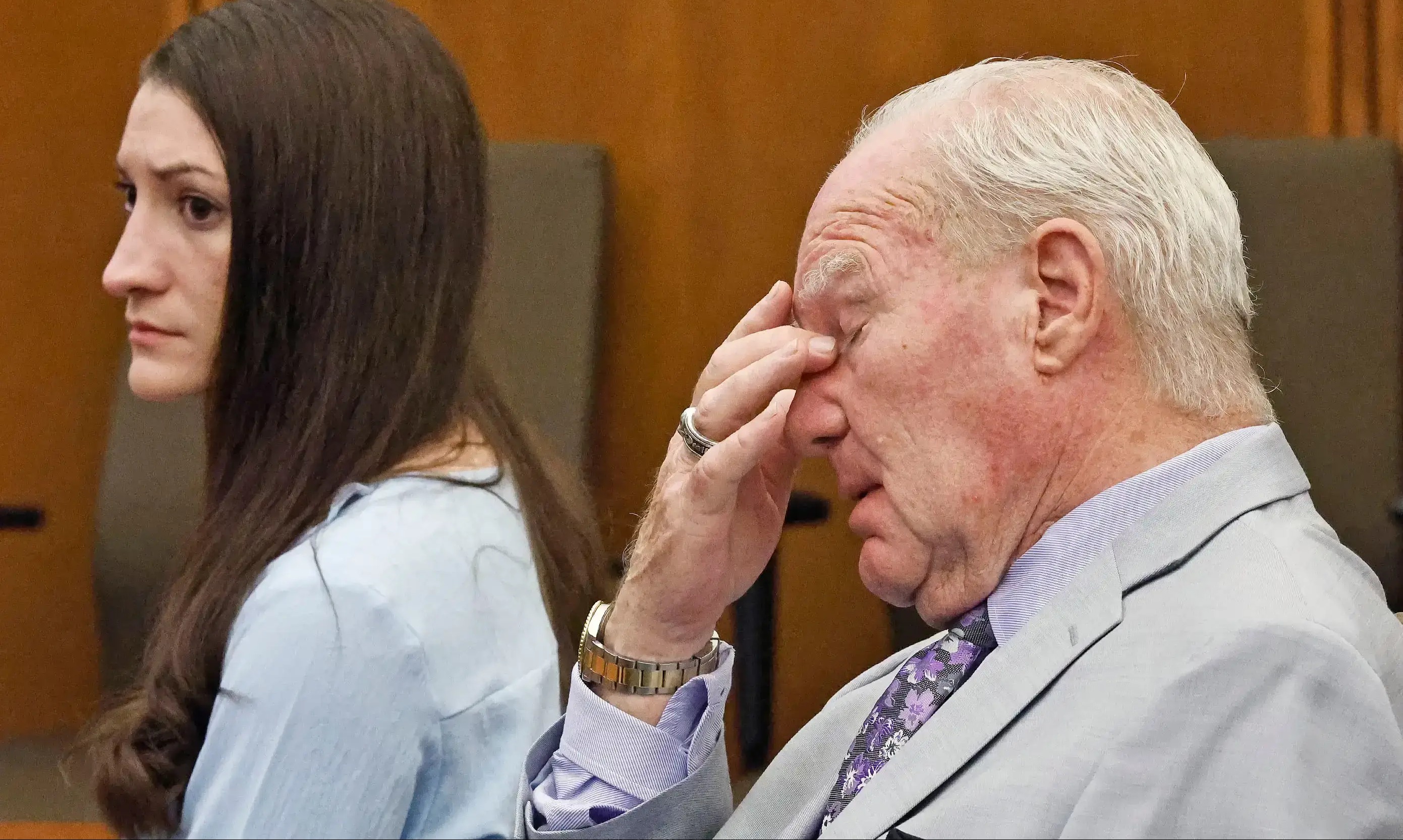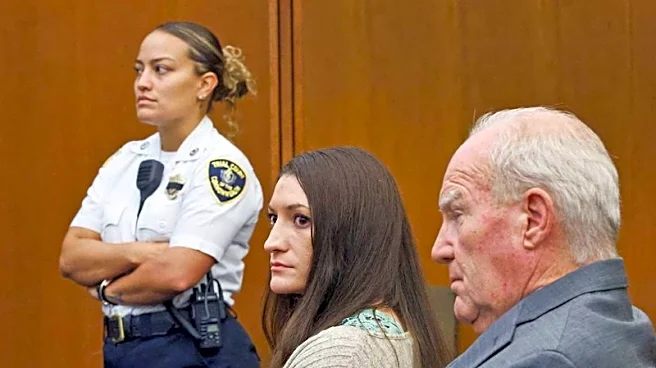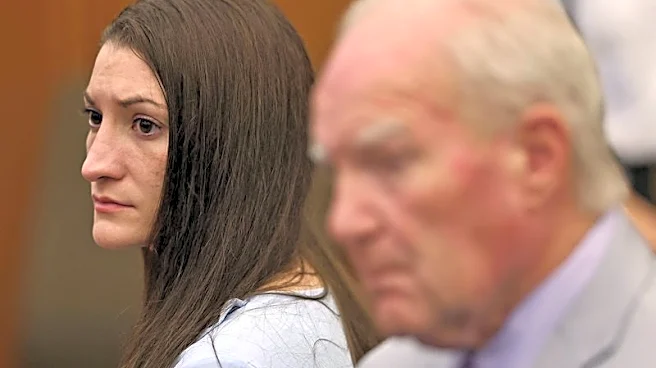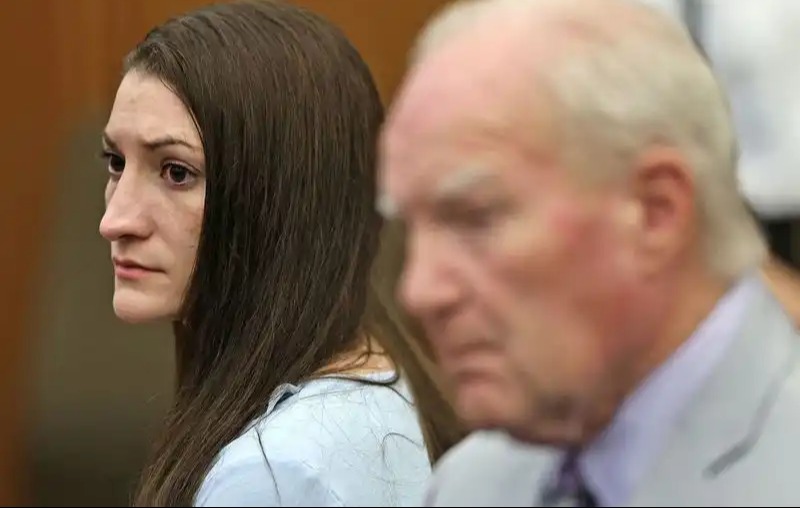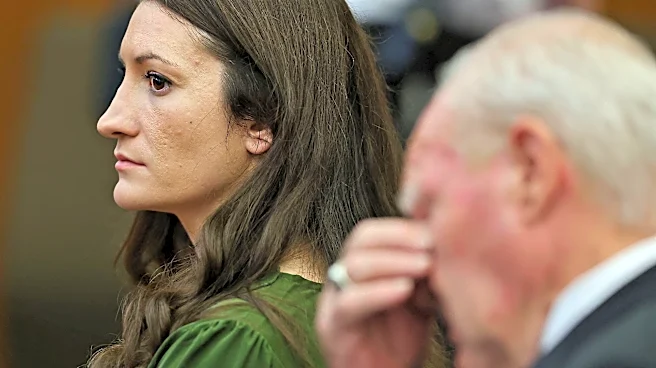



After weeks of testimony and roughly 38 hours of jury deliberation, the Lindsay Clancy murder proceedings have ended in a mistrial despite a last-minute attempt by defense attorney Kevin Reddington to boot a holdout juror.
Reddington filed an emergency appeal to the Massachusetts Supreme Judicial Court over the issue of a single juror allegedly holding up the verdict on Friday, Sept. 4. In it, Reddington accused the holdout juror of "bias against those who suffer from debilitating mental illness," an accusation he repeated in court while invoking the Americans with Disabilities Act.
"I further raise the issue of the Americans with Disabilities Act," he told Judge William Sullivan. "I believe this is a situation where there is a clear and present
danger that this individual (the holdout juror) for some reason, what it is we don't know, is taking a position that is intractable, regardless of proof beyond a reasonable doubt."
The emergency filing asked the state supreme court to "prohibit the further deliberations of a juror identified by the jury foreperson as biased and refusing to follow the court’s instructions on reasonable doubt." The request was ultimately denied and a mistrial was declared.
While the ADA, a federal civil rights law, outlines specific anti-discrimination protections for people with disabilities in circumstances like the workplace or accessing public services, it does not specifically address or apply to jury selection or deliberations. Jury bias is governed largely by state law and some constitutional provisions.
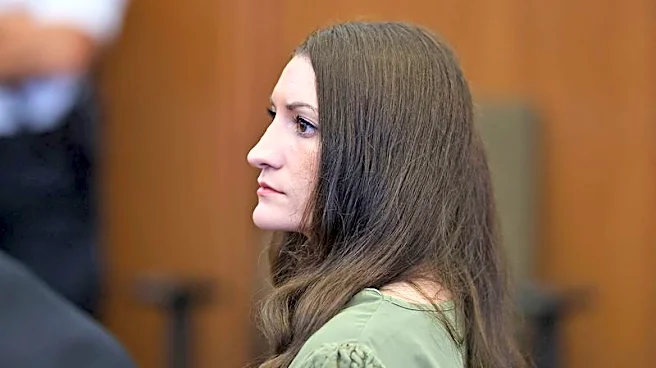
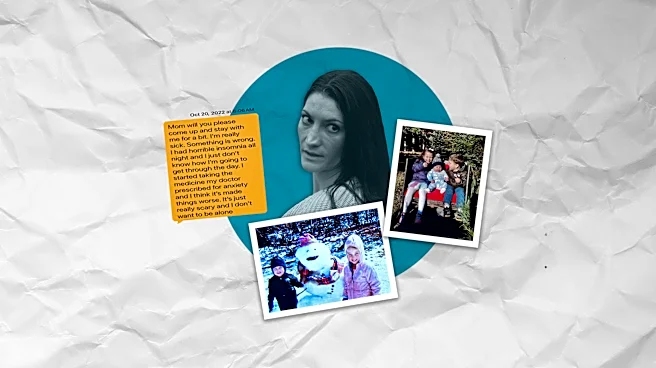
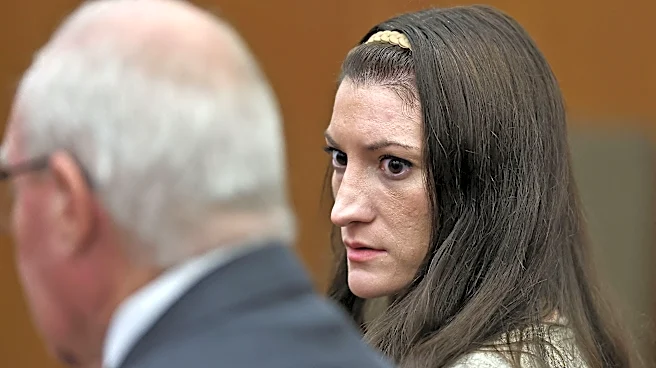
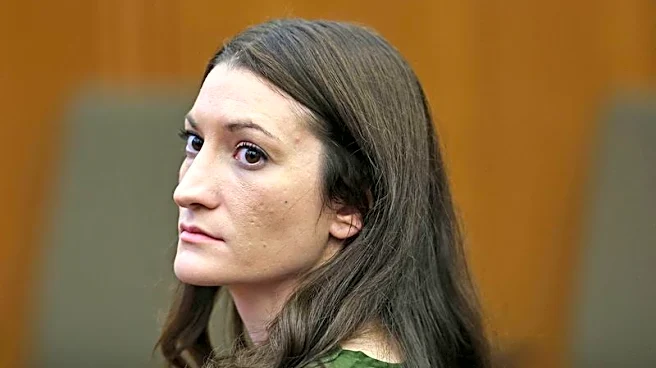
Clancy, 36, faced murder chargesin the January 2023 strangulation deaths of her three children – Cora, 5; Dawson, 3; and Callan, 8 months – at the family's Duxbury, Massachusetts, home. She pleaded not guilty to all three counts in what is often also known as an insanity defense, alleging she was not criminally responsible because she was suffering from postpartum depression and psychosis at the time of the killings.
The judge scheduled a new status and trial assignment hearing for Sept. 29.
What is the Americans with Disabilities Act (ADA)?
The Americans with Disabilities Act, commonly referred to as the ADA, is a federal civil rights law that prohibits discrimination against people with disabilities in matters of employment, public services, public accommodations, transportation and telecommunications.
Enacted by Congress in 1990, the ADA protects people who have physical or mental impairments "substantially limiting major life activities," as well as those who have a history of such impairments or who may be perceived by others to have them. It created a framework for people with disabilities to become a protected class in the U.S., similar to protections afforded to gender and race.
If you have ever heard terms like "reasonable accommodations" or "accessibility" in the workplace and beyond, they harken back to the ADA, which dictates that employers must provide people with disabilities an equal opportunity to fully engage in employment.
It also requires that state and local governments give people with disabilities an equal opportunity to benefit from all of their programs, services and activities; ensures that public transport can safely be used by people with disabilities; outlines rules for businesses to accommodate people with disabilities; and requires that telecommunications providers have access options for people with hearing and speech disabilities.
Accommodations can include buildings installing wheelchair ramps and elevators; vehicles having specified seating, ramps and/or lifts; service dogs being allowed into businesses that don't otherwise allow animals; or televisions having a "closed captions" option.
Beyond physical and developmental disabilities, mental health issues like depression, anxiety disorders, bipolar disorder, PTSD, OCD, schizophrenia and ADHD are also covered by the ADA.

Reddington's bias claim was a long shot in an unusual case, say legal experts
Reddington's decision to invoke the ADA has been called a "Hail Mary" by some legal experts, who were split on its merit.
"I feel confident in saying that most folks in the legal profession would consider it a 'Hail Mary,'" Southern Methodist University adjunct law professor and author Judge Stacey Jernigan told USA TODAY. "Reddington and others are doing a lot of guessing about the holdout juror without really knowing why he or she came to a different result than fellow jurors."
"I've never heard of anything like this," Christopher Slobogin, Milton R. Underwood chair in law and director at Vanderbilt University, likewise told USA TODAY. "Usually ADA claims are directed at government and private entities, not individuals. Arguably, the defense attorney should have discovered this bias, if it in fact exists, during voir dire (jury selection)."
Some, like criminal defense attorney Lauryn Tully, commended the move as a creative tactic. Tully said bringing up the ADA was "not a stunt" but "zealous advocacy."
"In a homicide case, a client’s life and liberty is on the line. Defense counsel has an obligation to raise every legal theory available," she said.
"I believe Judge Sullivan should have gone further and privately and carefully questioned the holdout juror to determine whether bias against people with serious mental illness was influencing his application of the law," agreed civil rights attorney and victims’ advocate Shari Karney. "This was an extraordinarily unusual situation, and I agree with Kevin Reddington that the issue warranted further inquiry."
Others, like trial attorney Colin Ram, said the ask was too big on Reddington's part.
"He is trying to broaden the (Supreme Judicial Court) rule on racial bias in jury deliberations to cover mental illness. That's good lawyering, but it's a novel extension of those cases, and certainly not enough to persuade the SJC to intervene on an emergency basis," he said. "Judges guard jury deliberations like a vault, and one juror not budging isn't the same as one juror being biased. That's the gap this petition never closes."
Judge Jernigan agreed, adding that she has doubts about another trial moving forward.
"As for any future re-trial, I am quite afraid that social media attention has jeopardized the prospect of seating jurors without preconceived opinions," she said.
This article originally appeared on USA TODAY: Defense accused holdout juror of 'bias' in Lindsay Clancy trial. Here's why