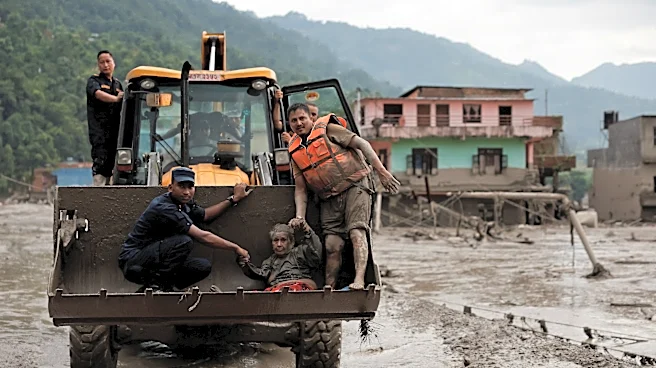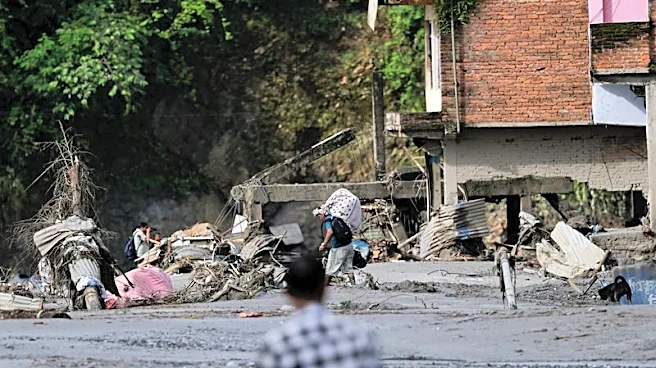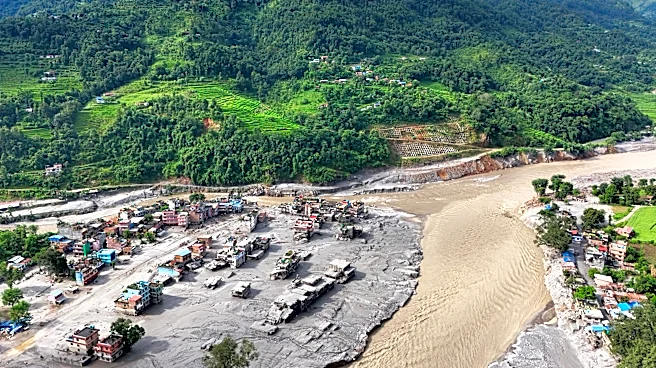



Sixty-five Americans are among more than 660 travelers reported missing after devastating floods in Nepal, according to the country’s national tourism board.
At least two Americans have been rescued, the Nepal Tourism Board added, and the search for survivors is ongoing.
Natural disasters are just some of the unexpected emergencies travelers may encounter far from home. Just this year, travelers have also been caught up in unrest in Mexico after the killing of a cartel leader in a military operation and instability in the Middle East due to the U.S. war with Iran.
"You can't prepare for every emergency, nor should you want to focus on that when you're planning a fun vacation," Suzanne Morrow, CEO of InsureMyTrip, told USA TODAY. "You can be prepared
on how to respond to one."
Here's what to know about navigating emergencies aboard.
What are the most important things you should do before traveling?
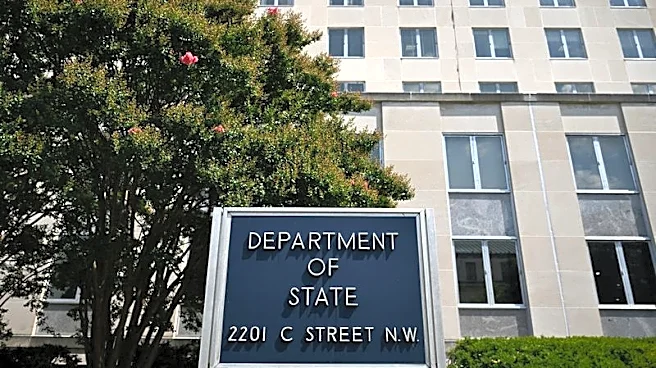
The State Department advises Americans to register with its free Smart Traveler Enrollment Program (STEP) so they can receive email updates and be easily reached in the event of an emergency.
Travelers should also share their travel plans and contact information with trusted friends or family members, who can keep an eye out for them and, if needed, coordinate help from home. Travelers may also want to consider purchasing travel insurance, which can cover things like medical treatment and evacuations.
Medical evacuations can cost "anywhere from $100,000 and up," Morrow said. Factor in medical bills incurred in a foreign country and the costs can balloon quickly.
Options vary depending on travelers’ priorities, from a basic "post-departure plan" that includes emergency assistance to more comprehensive policies that include trip interruption protection. Cancel for Any Reason coverage could also help travelers who decide not to take a trip get some money back – usually between 50% and 75% of what they insured – as long as they cancel within 48 hours before departure.
"Know where you're traveling, and understand the inherent risks," Morrow said. She recommended purchasing insurance as soon as possible.
"Let's imagine I had a trip planned to Nepal," she said. "I decided not to buy insurance, this event happened, and I'm supposed to be traveling within the next couple weeks, and now I know there's a high probability they're not going to have recovered enough. ... I'm going to be at the mercy of whatever that company on the other end is going to do for me. And if I buy insurance now, my claim will be denied because of the date (on which) I'm buying a claim."
What should I do if I have an emergency while abroad?
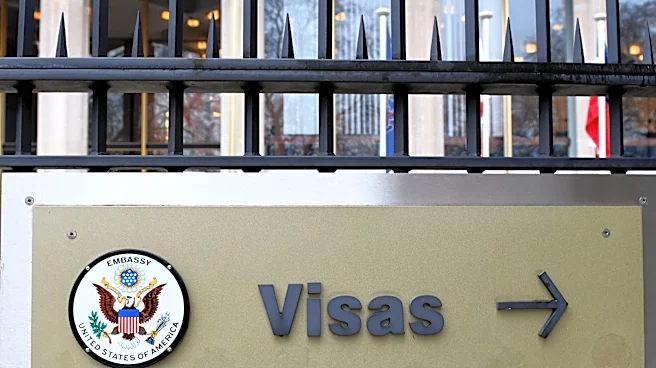
Americans can always reach out to the nearest U.S. embassy or consulate for help or call the State Department at 1-202-501-4444.
The department's website also recommends using social media, messaging apps and text messages to alert loved ones, adding that text and data services sometimes work even when calls don't.
Other actions depend on the type of emergency.
For individual medical or law enforcement needs, the State Department recommends contacting local emergency services. However, depending on the destination, the level of resources and responses may not be what Americans are used to, as noted in various State Department Travel Advisories (click here to check).

In a situation like the Nepal flooding, travel insurance policyholders with emergency assistance coverage should contact their assistance provider. Travelers will receive that contact information when they purchase the plan.
"That is their job, to help assist you with making arrangements or figuring out what the best course of action is," Morrow said.
The U.S. government can help facilitate evacuations for wider emergencies, but the State Department urges: "Don't risk your safety by staying in a dangerous area. If you can safely leave on your own, do so immediately. ... We always recommend leaving a country while commercial travel is operational."
What to do when you get home
Travelers who purchased travel insurance or have travel coverage through the credit they used to book the trip will want to save receipts for related expenses, for filing purposes at home.
Morrow even recommended taking photos of receipts in case the originals get lost.
“Just on the off-chance that you might have to have a record of what occurred, don't rely on that the insurance company is going to do the work on your behalf. They're not," Morrow said. "They're going to require you to provide all of the supporting documentation, et cetera."
InsureMyTrip’s IMT Assist program can also help customers navigate the sometimes confusing claims process. She recommended filing a claim as soon as possible since "the further you get from the incident, the likelihood of having everything you need at hand goes down tremendously."
This article originally appeared on USA TODAY: US travelers missing after Nepal floods. What to do in an emergency