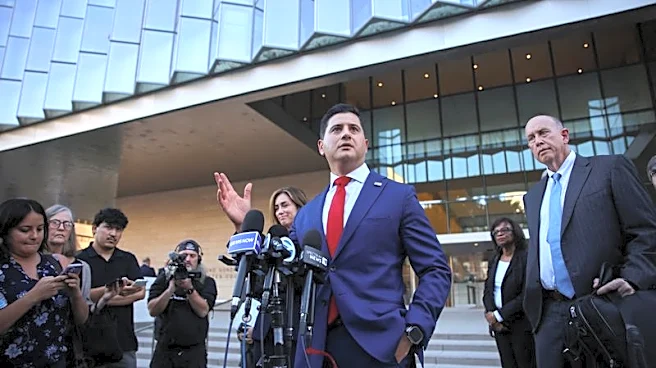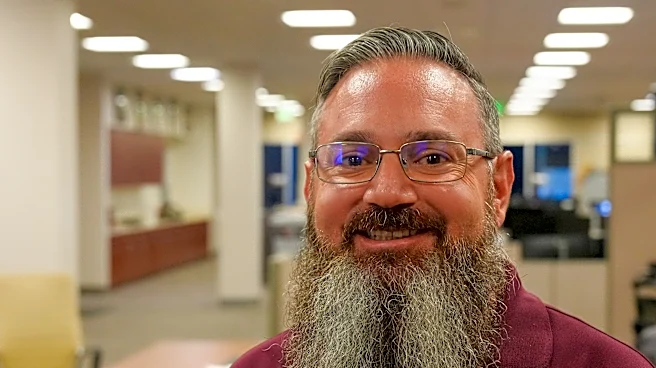

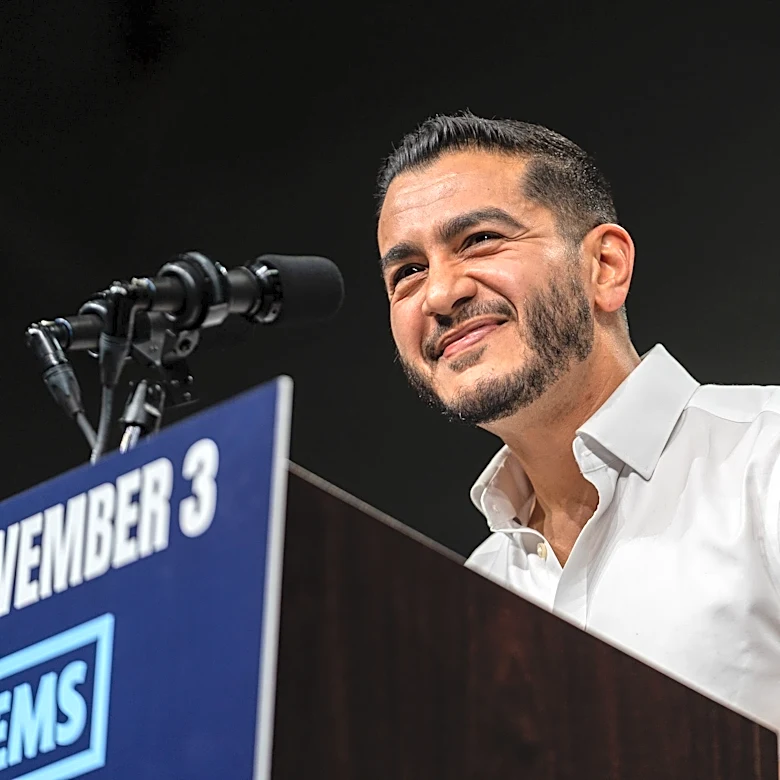


BRIGHTON, CO ‒ Josh Zygielbaum bristles at the idea that anyone would cheat in the election he's overseeing.
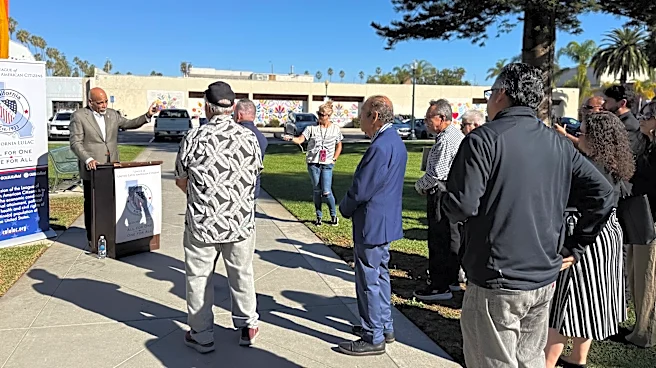
As Adams County's elected clerk and recorder near Denver, Zygielbaum leads a small army of election workers managing the midterm election for about 554,000 residents. A retired U.S. Marine, Zygielbaum takes his oaths seriously: to protect and defend the U.S. and Colorado constitutions.
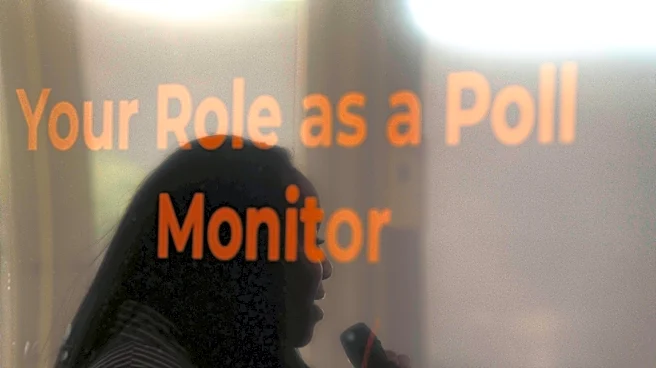
That's why the federal government's decision to dispatch about 1,000 Department of Justice officials to polling places in every state, including the ones Zygielbaum oversees, somehow feels wrong to him.
Though the Justice Department hasn't yet provided a full list of locations, Zygielbaum and some of the other county clerks who have been told to expect them
note they are in liberal-leaning areas with large Hispanic populations. Federal officials say the monitors will be helping ensure only citizens vote.
"We've never had any complaints. We've never had any charges filed. We've never been under investigation. There's never been any reason for the DOJ to come in here and monitor," said Zygielbaum, a Democrat who is on the ballot himself. "It's almost as if they're coming here to scrutinize the voter."
Some voting rights groups, including the NAACP, say they believe the Trump administration's decision to deploy monitors could suppress turnout and disenfranchise voters, particularly from minority groups.
Justice Department spokeswoman Kiersten Pels said the department prioritizes monitoring jurisdictions required to provide language assistance as well as areas with a shortage of election observation data. It also focuses on places where the department has entered into a consent decree based upon previous election problems, she said.
The DOJ will release a full list of counties where it is sending observers early next week, Pels said.

DOJ's role in monitoring elections
The Justice Department has a long history of monitoring elections, typically to ensure people can vote, not to prevent them. In the past, the DOJ often dispatched civil rights experts to ensure all legal voters could exercise their right, sometimes in communities with a history of racial discrimination.
In 2022, when DOJ sent monitors to 64 jurisdictions across 24 states, federal voting rights experts helped ensure Zygielbaum's office made Spanish-language translations available to anyone who needed them. Those attorneys, Zygielbaum said, "were great partners."
But this new effort?
"There's some concern there that they're looking to create some sort of criminal case against my office or me," Zygielbaum said.
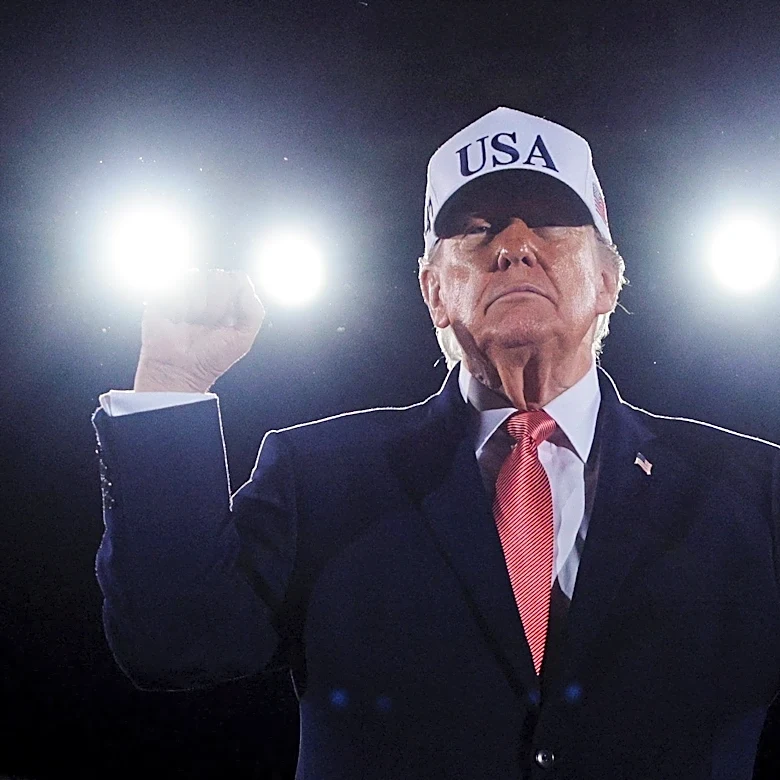
The Justice Department's Civil Rights Division sent letters to election officials in all states this summer, threatening legal action if they knowingly allow noncitizens to vote or to remain on their voter rolls. President Donald Trump has claimed for years without evidence that noncitizen voting is "rampant" and that it contributed to his 2020 election loss.
In an Oct. 26 social media post, Trump promised $1 million rewards for anyone providing information leading to "the arrest and conviction" of people committing voter fraud.
The U.S. Constitution largely gives states control over election administration, which means rules for poll observers can differ by state or even by county. Federal observers are generally only allowed to enter polling or ballot counting facilities with the permission of state and local officials.

Justice Department observers face pushback
In Wyoming, Laramie County Clerk Debra Lee is expecting Justice Department attorneys to make an appearance on Election Day. Like Colorado's Adams County, Laramie has a higher percentage of Hispanic residents than its state.
Lee, a Republican, said federal observers have agreed to wear county-issued ID badges and must stay at least 100 feet away from the polls if they wish to interview voters. "We are committed to following Wyoming law and protecting the rights of our citizens to vote privately, safely, securely, and without disruption or interference," she said in a statement.
No federal observer had monitored Wyoming voting in at least 40 years, state officials said, making their appearance during the August primaries in Laramie notable. Wyoming Gov. Mark Gordon, a Republican, called their appearance "irregular" and "a bit aggressive" at the time.
Gordon called for an investigation into DOJ observers, saying they acted aggressively and asked to inspect voting machines during the primary.
While Justice Department observers have previously largely been civil rights experts, this year the agency has widened the pool of participants. Zygielbaum said he was told the monitors headed to his polling sites are criminal prosecutors.

On Election Day, Pels said, all the observers will be Justice Department personnel trained on state and local laws, and will be there to monitor, document and report on compliance with federal voting laws. They are not authorized to intervene to address compliance with federal law, she said.
Pels said if monitors uncover evidence of noncitizens voting while monitoring, "we will use it. But our monitors will not be questioning voters about their citizenship status at the polls."
The NAACP has sued to stop the Justice Department election monitoring this year, arguing it is a thinly veiled effort at voter intimidation. The NAACP was founded in 1909 in part to ensure Black voters could participate in elections without fear of violence. In its lawsuit, the NAACP said the Department of Justice lacks the authority to enforce state and county-level voting rules, including verifying voters are citizens.
"Defendants have twisted the Poll Monitoring Program into a tool to pursue baseless allegations of widespread voter fraud," the NAACP wrote in its lawsuit. "Defendants' focus on purported voter fraud, combined with the first-time use of criminal prosecutors and the unprecedented scale of deployment, is intimidating to voters, who reasonably fear facing wrongful surveillance, investigation, or prosecution for exercising their right to vote."
County election officials in several states said they weren't given much information about why they were chosen for increased scrutiny.
"We were not informed as to who or what prompted this unique status," Marion County, Indiana, Clerk Kate Sweeney Bell said. "We were not told what criteria was used to make this determination."
'Just because you lost doesn't mean the other side cheated'
Federal observers are routine in some large cities and in certain states, and several officials said they have no problem with the extra oversight, but will be watching them closely.
Oregon Secretary of State Tobias Read said in a statement that he welcomes observers, "but let’s be clear: it is not legal for these observers or anyone else to interfere with Oregon's elections – even the Department of Justice. We are prepared. We will follow the law, and we will make sure the Department of Justice does the same."
Trump's claims that the election results cannot be trusted unless Republicans win already have prompted dozens of nonpartisan and partisan groups to monitor poll sites nationwide, in case the administration challenges results. On Oct. 27, when asked if he would respect the election results, regardless of the outcome, he said: "I will, if they're honest elections."
To some election officials, that feels like a threat.
Zygielbaum said he wants Americans to know elections are secure and trustworthy, and are generally run by their own neighbors working as election judges. Without naming Trump, Zygielbaum said election critics seem to cry foul only when they lose.
"I would like the public to assume we have the best intent, because we do. And that's not just here in Adams County but across the country," he said. "Whoever wins in the end is whoever wins in the end. I'm on the ballot again this year, and if I lose, that's the will of the people. That's how it's supposed to be. Just because you lost doesn't mean the other side cheated."
Contributing: Hayleigh Colombo, Indianapolis Star; Anastasia Mason, Salem Statesman Journal; Jalen Williams,Detroit Free Press
This article originally appeared on USA TODAY: Elections chiefs worry as Trump administration dispatches poll monitors