






In 2015, #OscarsSoWhite became a social media phenomenon when all acting nominations at the Oscars excluded people of color. The following year, acting nominations went to white actors again, prompting a flood of people to raise concern about racial inequity in entertainment.
By 2021, #EmmysSoWhite started to bubble up for the same reason, with all acting roles in the comedy, drama and limited series categories at the Emmys going to white actors. And now, five years later, people are beginning to recirculate the hashtag, following the Sept. 14 Emmys broadcast on NBC and Peacock.
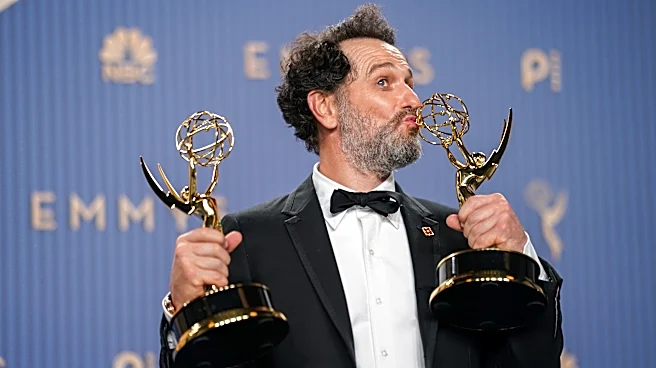
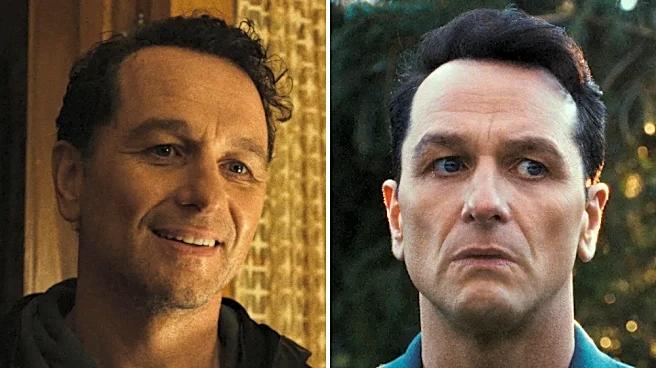
At the 78th Primetime Emmy Awards, TV's biggest night was marked by historic wins for Welsh actor Matthew Rhys, who won two lead acting Emmys for Apple TV's "Widow's Bay"
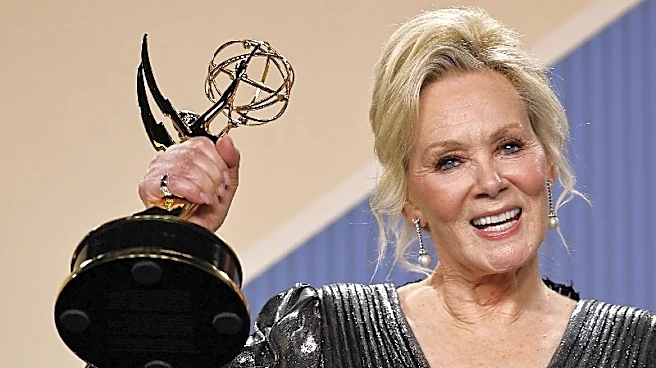
and Netflix's "The Beast in Me," and Jean Smart's fifth Emmy as a comedy vet in "Hacks."
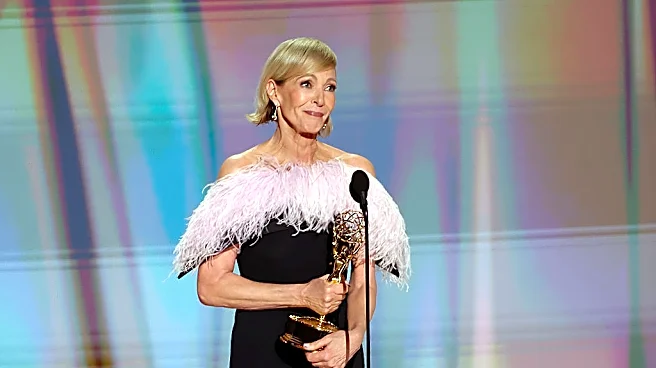
Despite the memorable wins, audiences at home began to pick up on the familiar pattern, wondering why, out of the 12 acting Emmys − 10 of which were given out on Sept. 14, and the other two handed out at the Creative Arts Emmys on Sept. 5 and 6 − no actors of color walked home with the prize.
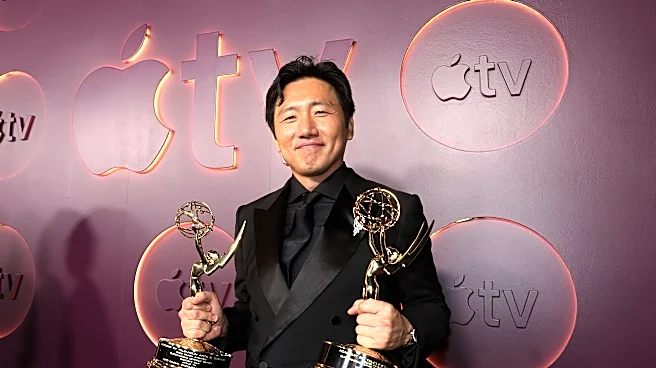
Japanese American filmmaker Hiro Murai, though not nominated in an acting category, did take home an Emmy for his directing on "Widow's Bay." The win marked a historic milestone, as no Asian director has ever won in the comedy category. Murai also became the third Asian director to take home the gold, following "Beef's" Lee Sung Jin and "Squid Game's" Hwang Dong-hyuk, who previously won best directing in 2023 and 2022, respectively.
"Last night, the Television Academy confirmed what its own nominations told us two months ago: this is not a talent problem, it is a systems problem," April Reign, a strategic communications consultant who first coined #OscarsSoWhite, tells USA TODAY. "When every winner across all twelve lead and supporting acting categories is white, in the same year that followed the industry's loudest promises about equity, the pattern is the story, not any single ceremony."
USA TODAY has reached out to an Emmy Awards spokesperson for comment, but has not received a response.
Performances by people of color recognized at earlier ceremony
The weekend before the Primetime Emmys aired, the Creative Arts Emmys ceremony (now known as night one and night two of the Emmys) did recognize Black actors for their performances on Sept. 5 and 6.
Ernest Harden Jr., who played Louie on HBO Max's "The Pitt," won his first statuette for best guest actor in a drama, while Octavia Spencer won her first Emmy for narrating Investigation Discovery's docuseries "Lost Women of Alaska."
But, despite those wins, it still begs the question: why haven't performers of color been recognized in the same capacity as their white counterparts?

Data shows a decline in recognition for performers of color
Heading into the Emmys, there were several actors of color up for nominations. Oscar Isaac, a Latino American, was nominated for his role as the emotionally troubled lead in "Beef," but it went to Rhys instead.
"Abbott Elementary" star Quinta Brunson, who last won lead actress in a comedy in 2023, was nominated again for her role as teacher Janine Teagues, but was beat out by Jean Smart for "Hacks." "The Bear's" Ayo Edebiri, who gave a memorable speech on the award stage in 2023 after her lead actress win, also fell short in the category to Smart.

Other nominees of color included Yahya Abdul-Mateen II ("Wonder Man"), Sterling K. Brown ("Paradise"), Colman Domingo ("The Four Seasons"), Zendaya ("Euphoria"), Sepideh Moafi ("The Pitt"), Riz Ahmed ("Bait") and Jessica Williams ("Shrinking").
In the lead and supporting actress races, 17 nominations went to performers of color, according to Variety, which marked a 39 percent decrease from 2025.
The data drew comparisons to the 2021 Emmys, the last time #EmmysSoWhite came into conversation, when actors in underrepresented communities reached 44 percent of the acting nominees, but white performers walked home with all 12 lead and supporting acting roles.

What is being done to address the issue?
The Television Academy has made strides toward diversity in years past. The award show gave us the queerest Emmys ever in 2019, and a surprise win for "Euphoria's" Zendaya in 2020 for best lead actress in a drama. Other critics of the show have seen actors of color shut out repeatedly across other award shows, like the Oscars and Golden Globes.
The Television Academy released a 2026 transparency report which included a breakdown of its membership demographics, with the academy noting that it is "committed to being a welcoming, inclusive, and accessible community." Of its nearly 30,000 members, the academy has made slight improvements; for example, "bi-racial or multiracial members" increased from 6.9 to 7 percent, whereas "Latinx or Hispanic" members and "East or Southeast Asian" members have stayed the same at 7.7 percent and 4.1 percent, respectively.
But despite the efforts, it seems there's more work to be done when it comes to finding a more permanent solution for diversity in the winner's brackets.
"I named [#OscarsSoWhite] the first time in 2015, and I am naming it again now, because a pendulum that keeps swinging back on its own does not right itself," Reign says. "Someone has to push it."
This article originally appeared on USA TODAY: Emmys spark controversy after no actors of color win, #EmmysSoWhite resurfaces