
Editor's Note: If you or someone you know may be experiencing a mental health crisis, contact the 988 Suicide & Crisis Lifeline by dialing or texting “988.”
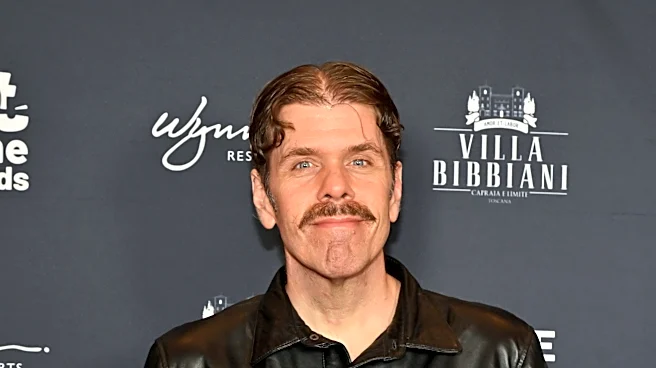
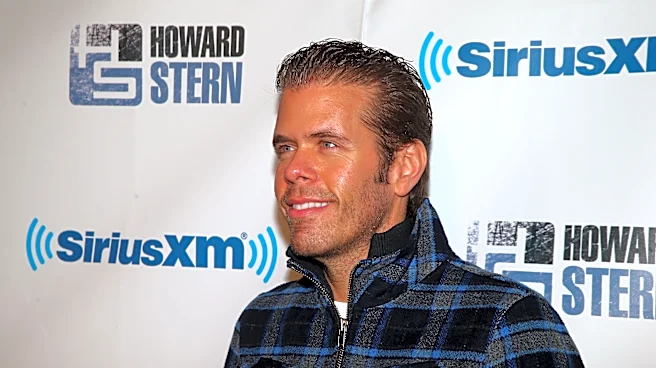
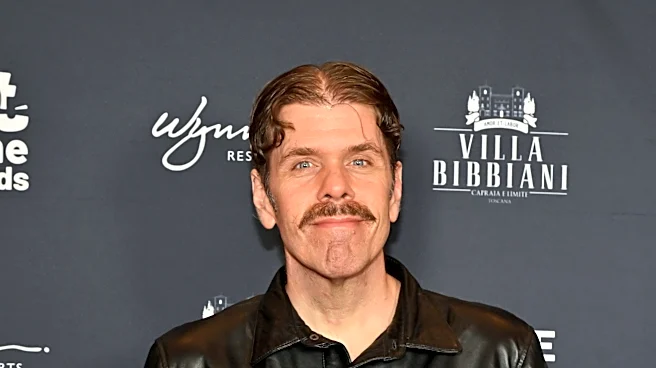
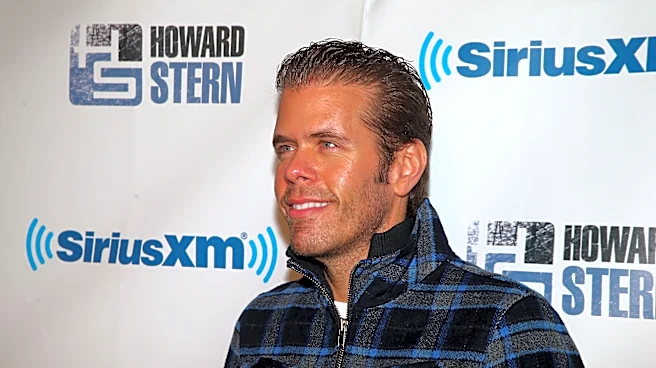
Perez Hilton, best known for his years as a celebrity blogger, was in his Miami home on Tuesday night, Aug. 4, when he went live on TikTok. What followers saw after tuning in left them in shock, disbelief and horror.
"Is this real," one quickly commented. "What is happening," another wrote.
On the screen, Hilton, born Mario Armando Lavandeira Jr., seemed to be in the middle of a mental health emergency, and he was engaging in what appeared to be self-harm.
"(Who) has his number," one fan commented. Another replied with a series of digits. Others shared what they believed to be his address and
several began to urgently mobilize fellow viewers: "CALL THE POLICE," "CALL 911," "Please please please help this man."
The scenario unfolded in real time. The Miami-Dade Sheriff's Office "received multiple calls regarding an individual who was livestreaming acts of self-harm on social media," officials said.
Hilton's subsequent hospitalization and both fans' and law enforcement's response highlights how mental health crises are playing out differently in the age of social media − including making intensely personal moments visible to large audiences.
"What might once have happened privately can now be witnessed by thousands of people instantly. While that visibility can expose someone to harmful commentary or speculation, it can also create opportunities for intervention," said Dr. Joshua Stein, child and adolescent psychiatrist and chief of medical staff at Newport Healthcare. "In this case, viewers recognized that something was wrong and contacted emergency services."
In a statement Aug. 5, Hilton's family and team confirmed the 48-year-old was receiving medical care − and noted the influx of concern from fans and other onlookers.
"Many of you have reached out with concern for Perez, and we are incredibly grateful for the overwhelming outpouring of love, support, and prayers," the statement added.
Stein added that viewers alerting police is a "powerful reminder that bystanders often play a critical role in a mental health crisis" and that "quick action can save a life."
Remember, though, that online audiences are not mental health professionals.
"It’s important to avoid trying to diagnose or interpret what we’re seeing and instead focus on getting the person connected with appropriate support," Stein said. Witnessing these types of incidents can impact the person involved as well as the viewer, regardless of whether the two know each other personally.
The mental health impact of disturbing content
This isn't the first time social media users have been caught off guard with disturbing content.
From conservative political speaker Charlie Kirk being shot dead to Ukrainian refugee Iryna Zarutska being fatally stabbed, graphic videos frequently spread quickly and widely online, appearing in people's feeds, often with little-to-no warning. Hilton was a trending term on X on Aug. 5 and users who found the news there were quickly met with graphic replays and screenshots of the livestream. TikTok has since removed the stream.
While getting confronted with gruesome imagery has, unfortunately, become an assumed risk when logging on, mental health experts say it can have a deeply negative impact on our psyches.
"I think it's very important for people to pay attention to how they feel," mental health counselor Catherine Del Toro previously told USA TODAY. "It's very normal to feel shocked, anxious, sad, disgusted and those are all very, very normal feelings."
Because witnessing violence can be so distressing, Del Toro said she urges extreme caution before watching violent footage or just not watching at all.
"We need to be very mindful and aware of how these videos can affect us," Del Toro said. "Sometimes we don't really know how much it's going to affect us until we're watching it."
You don't have to view material like this in order to stay informed or have empathy for the victims, either.
"I don't think we have a responsibility to witness every instance of violence that happens," therapist Erik Anderson previously told USA TODAY. "People kind of need to be responsible for understanding what's going to trigger them and what they're able to tolerate."
Social media can even sometimes blur the line between "witnessing a crisis and participating in it," explained Stein.
"Sharing, commenting on or repeatedly replaying distressing content can unintentionally amplify harm for both the individual involved and others who may be vulnerable," he warned.
What to do about graphic content
If you come across graphic content on your feed, it's OK to look away. But if you witness a mental health crisis or other emergency − whether involving a celebrity, someone you know or a stranger online − and want to help, there are things you can do.
"Viewers should take any potential signs of self-harm or suicidal behavior seriously and contact emergency services if they believe someone is in immediate danger," Stein suggested.
If it’s someone you know, you can reach out privately to offer support, but "try to avoid asking for explanations or making assumptions," he added.
Whether it's a friend or stranger in need, Stein says to avoid speculating about the person’s motives or mental health. Also, resist the urge to share, repost or repeatedly watch distressing content.
"It can be triggering for others, and it could amplify harm for the person it’s about," he said.
Lastly, pay attention to your own mental health after witnessing distressing content.
"If the content continues to affect you after you've seen it, take a break from social media, talk to someone you trust and seek support if you need it," Stein advises.
Contributing: Charles Trepany, USA TODAY
This article originally appeared on USA TODAY: Perez Hilton, a medical emergency and how fans stepped in