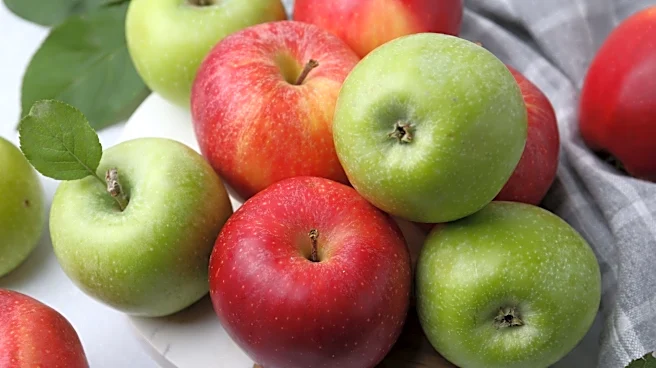









Whether they're packed into school lunches, baked into pies, dipped in caramel or peanut butter or simply eaten fresh, apples have been a household staple for generations. Their crisp texture, natural sweetness and versatility have made them one of the world's most popular fruits.
Part of their appeal is also how easy they are to enjoy. "Apples are a natural convenience food," says Bonnie Taub-Dix, a registered dietitian nutritionist and author of "Read It Before You Eat It – Taking You from Label to Table." "They are portable, affordable, available year-round and require virtually no preparation."
But while most people have a favorite variety, many wonder whether green and red apples actually differ nutritionally – or if choosing one over the other
really matters. Here's what to know about the differences between green and red apples, the health benefits they share and whether one deserves a regular spot in your fruit bowl over the other.
Green apples vs. red apples: What's the difference?
Although they may look like different fruits, red and green apples are simply different varieties of the same species. Their genetics determine their color, flavor, texture and nutritional makeup, says Dr. Carolyn Newberry, an attending physician and nutrition scientist at Weill Cornell Medicine.
Green apples, such as Granny Smith, are known for their bright green skin, firm texture and tart flavor, while red varieties – including Gala, Fuji, Honeycrisp and Red Delicious– tend to be sweeter, juicier and milder.
Such differences begin while the fruit is still growing. Red apples produce anthocyanins – antioxidant pigments responsible for their red color – while green apples retain more chlorophyll, the pigment that gives them their green appearance.
While varieties also differ in texture and acidity, "the biggest difference between red and green apples is flavor," says Taub-Dix.
Their flavors differ because of variations in natural sugars and organic acids as well. Green apples generally contain more malic acid, giving them their signature tartness. This is also why "green apples tend to have less natural sugar content and are less juicy than their red counterparts," says Newberry. Red apples, by comparison, are sweeter, in part because they contain slightly more natural sugar and less acidity.
The varieties also lend themselves to different culinary uses. Because green apples hold their shape well during cooking, they're favorites for pies, crisps and salads, says Newberry. Many red varieties are softer and juicier, making them especially popular for applesauce, juice and eating fresh.
Are green apples good for you? Are red apples good for you?
Both red and green apples "provide many of the same nutritional benefits," says Taub-Dix. "They're both a good source of fiber and they also provide vitamin C, potassium and plant compounds that support overall health."
Fiber helps support digestion, promotes fullness and contributes to healthy blood sugar control, Newberry explains, while vitamin C supports immune function and collagen production and potassium helps regulate blood pressure and supports healthy muscle and nerve function.
Both red and green apples are also rich in antioxidants, although the specific compounds differ slightly. The anthocyanins in red apples have been associated with heart and brain health, while the chlorophyll in green apples may help support healthy cells by reducing oxidative stress.
Because green apples contain slightly less sugar, they are also "slightly less calorically dense," says Newberry. As a result, "if someone is on a strict low-sugar, carbohydrate-controlled diet, they may preferentially eat green apples," she says. "Though unless large amounts of apples are being consumed, this likely isn't a major issue."
Green apples also contain slightly more vitamin A than many red varieties, though neither is considered a major source of the nutrient.
Whichever color you choose, Newberry recommends leaving the peel on whenever possible. "Apples are fruit with a-peel for a reason," she says, because much of an apple's fiber and many of its antioxidants are concentrated in the skin.
Can you eat apples every day?
For most healthy adults, eating an apple every day is a habit worth keeping as regular apple consumption has been linked to better overall diet quality and a lower risk of several chronic diseases.
There are, however, a few considerations to keep in mind. Because apples contain fiber, fructose and fermentable carbohydrates (FODMAPs), "some individuals with sensitive digestive systems," says Taub-Dix, "may find that apples could trigger bloating or digestive discomfort."
People with diabetes may also want to be mindful of portion size and food pairings. "Because apples contain natural sugars and carbohydrates, people with diabetes should consider pairing apples with protein or healthy fats, such as nuts, nut butter or cheese, to help stabilize blood sugar levels," Taub-Dix advises.
And certain apple products – not whole apples themselves – may also interact with medications. For instance, apple juice has been shown to reduce the absorption of a small number of medications by interfering with transport proteins in the intestine. So if you take prescription medications, ask your health care provider or pharmacist whether any food interactions apply.
Because "the nutritional differences between red and green apples are mostly negligible," says Newberry, the best choice ultimately comes down to personal preference. "If you enjoy sweeter fruit, a red apple may satisfy a sweet craving naturally," says Taub-Dix, "but if tartness is your thing, go green."
This article originally appeared on USA TODAY: Green apples vs. red apples and whether one is better than the other