








It's a story that's been heard many times before.
A woman says something horrific happened to her. Or maybe, at first, she says it was consensual. Or she just stays silent and tells no one anything happened at all. But then the story changes.
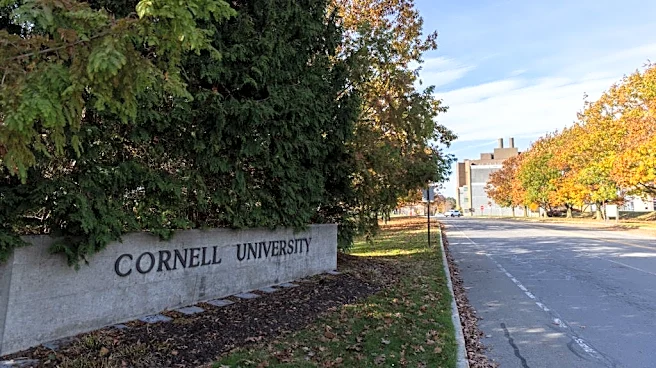
New York prosecutors have reopened a sexual assault investigation at Cornell University
after a young woman accused members of a fraternity of gang raping her in October 2024.Tompkins County District Attorney Matthew Van Houten told USA TODAY that charges were not brought in November 2024 when the woman first gave a statement to university police, because she did not allege at the time that she was drugged or assaulted.
But in the civil lawsuit filed earlier this month, she alleged that she was pressured to
use the anesthetic drug ketamine with multiple fraternity members, along with using marijuana and drinking more alcohol before the seven fraternity members allegedly assaulted her. The lawsuit also states that her consent was not possible because she was drunk, but New York laws exclude people who were voluntarily intoxicated from claiming they were unable to consent during an alleged assault.The district attorney cited discrepancies between her initial report and the lawsuit in reopening the case.
Similar stories are exceedingly common, so much so that these altered recollections and retellings have even taken center-stage at some of the country's most high-profile sexual abuse trials. But these discrepancies alone do not mean that the assault never happened.
During the 2018 prosecution of disgraced TV icon Bill Cosby, forensic psychiatrist Barbara Ziv told the jury – and millions of people following the case – about the "rape myths" that affect victims. She was brought back during the high-profile prosecution of Hollywood bigwig Harvey Weinstein in 2020, during which multiple women acknowledged gaps in their memories of events. Experts, however, say that the brain processes trauma differently from other events, and gaps don't detract from the memories they do have.
"Just because there are pieces missing doesn't mean those that remain aren't accurate, especially those central details of the experience that may be burned into the brain to the day they die," Jim Hopper, a Harvard Medical School consultant and teaching associate, previously told USA TODAY.
According to Nicole Bedera, the author of "On the Wrong Side: How Universities Protect Perpetrators and Betray Survivors of Sexual Violence," this phenomenon is not unique to trauma survivors. Witnesses of all crimes may have gaps or alterations in their memory of the incident. But sexual assault survivors – who are also witnesses of the alleged assaults – might be worried about saying the wrong thing or that their words may be later used against them.
"There are commonly small inconsistencies in their stories, just like all of us may have a hard time remembering something, especially when we're in a situation that is stressful," Bedera said. "We don't tend to think about it as negatively when we're talking about anyone other than sexual assault victims."
Why victims may choose to come forward after silence
It's not unusual for sexual assault survivors to come forward with additional details over time, or even initially deny that an assault occurred.
In Bedera's research on campus sexual violence, she has found that many survivors hesitate to fully disclose what happened because they're trying to understand the potential consequences of reporting. Students may worry about getting in trouble for underage drinking, drug use or other prohibited activities that occurred around the time of an assault, whether the victim consented to engage in them or not.
"They have questions like, 'If I report, what happens next? Could I get in trouble for using drugs? Could I get expelled?'" Bedera explained. "And so what they tend to do is say nothing happened."
In part, she also attributes this to the 2024 expansion of mandatory reporting policies on college campuses, which faced backlash from sexual trauma advocates at the time. These policies require employees to notify Title IX officials when they learn of allegations of sexual misconduct, but in some cases, gives schools the authority to move forward with an investigation without the survivor's participation or consent.
"When victims were in a situation where they were confronted with, 'If I keep talking, that will make a mandatory report,' they tend to go silent. They tend to deny what happened," Bedera said.
Others may simply not feel ready to navigate the high stress or public scrutiny that could come with an investigation, but may feel comfortable doing so later on "once they understand their reporting options," Bedera added.
How we react to one victim impacts future cases
Victim-blaming happens when society or individuals place responsibility, or blame, on a victim for the harm they have experienced, rather than on the perpetrator. This can look like asking why the victim didn't file a report sooner or blaming rape on a victim being too intoxicated, and can lead victims to believe the abuse was their fault. It can also perpetuate the cycle of abuse by allowing perpetrators to evade accountability.
Experts say the public reactions to high-profile sexual assault allegations can send a message to other survivors about how they might be treated if they come forward.
"We should be offering empathy to the survivor to understand why she might have made the decision she made," Bedera said. "Jane Doe is not the first person to ever do this... what does that tell us about our system, that victims don't feel like they can vulnerably share the truth?"
Some of this "victim-blaming," Bedera said, comes from misogyny. But it also can stem from fear.
"People want to think that this violence doesn't just doesn't happen. To be in denial that this kind of thing can happen when you send your daughter to college," she said. "But that too is a misogynistic reaction that denies the realities of sexual violence for women."
Rather than scrutinizing the victim, one right course of action is to "center survivors," Crystal Justice, the former Chief External Affairs Officer of the National Domestic Violence Hotline (The Hotline), previously told USA TODAY.
"We encourage you to learn to a recognize the warning signs of abuse, listen to survivors when they share their experience with you (and) offer help to survivors when it’s safe to do so," Justice said.
This article originally appeared on USA TODAY: The Cornell gang rape story is being scrutinized. It's not uncommon