


Explosive plays in the NFL might lack a common source or even a universal definition. But it's clear that they remain near the top of every play-caller's wish list.
The exact yardage cutoffs – typically 10-12 for runs and 16-20 for passes – used to measure chunk gains can vary between sources. What's clear, however, is that those big plays remain one of the most effective ways to supercharge an offense that otherwise might have to rely on unwavering precision throughout long drives. And after the Seattle Seahawks and New England Patriots rode their heightened offensive explosiveness all the way to Super Bowl 60, several more aspiring contenders are surely looking to follow the same path to prosperity this season.
But while explosive plays might
once have been synonymous with throwing the ball deep downfield, that's not necessarily the case in the NFL's ever-shifting landscape. As several attacks tilt toward heavier personnel and higher run rates, many teams could become more electric by rooting themselves in the ground game.
With that in mind, here are five offenses trending toward being more explosive this fall than they were last season:
Los Angeles Chargers
There might not be a more stark case of year-to-year schematic whiplash than the Chargers pivoting from a Greg Roman-orchestrated offense to a Mike McDaniel-helmed one.
In splitting with one of his longtime trusted assistants in Roman, Jim Harbaugh acknowledged a need for a "fresh start." Just a few months into his tenure, McDaniel is already reshaping the attack, kicking everyone from the once-plodding attack into high gear.
"Yeah, I think he's just going to set us up for a lot more explosives," wide receiver Ladd McConkey said in an NFL Network interview earlier in August. "He's going to get the run game, pass game going. They're going to marry off each other. So I'm super excited about that."
For Justin Herbert, McDaniel's approach has meant prioritizing getting the ball out quicker than he did previously, with the quarterback adjusting his footwork during that offseason to facilitate more yards-after-catch opportunities. The run game, however, might be where things really take off. Though the Chargers ripped off 14 carries of 20-plus yards last year, McDaniel coaxed 16 such gains out of a substantially worse-positioned Miami Dolphins roster. Peppering in plenty of misdirection and pre-snap motion could fully unleash Omarion Hampton and Keaton Mitchell, both of whom have proven fully capable of going the distance when given a crease.
A major problem could be brewing up front, however. One year after season-ending injuries to bookend offensive tackles Rashawn Slater and Joe Alt cratered the Bolts' attack, Los Angeles is looking significantly vulnerable on the interior line. Center Tyler Biadasz was signed as a steadying force, but his season-ending knee injury in training camp prompted second-round rookie Jake Slaughter to shift over from a five-way competition for the starting left guard spot. In a division that features interior game-wreckers in Chris Jones and Zach Allen, the Chargers could see a good number of potentially explosive plays defused if the line gives way.
Kansas City Chiefs
For a team intent on reclaiming some semblance of its bygone explosiveness, bringing back Eric Bieniemy as offensive coordinator was a fitting move.
Bieniemy's previous stint in the role coincided with the franchise's offensive peak from 2018-22, a stretch in which it flummoxed opponents by stretching the field and never ranking worse than sixth in scoring or yards per game. With the offense becoming more methodical in the three years since his departure, generating more big plays has been an annual offseason rallying cry for Kansas City. After last season's 6-11 unraveling, however, it might now be a full-on mandate.
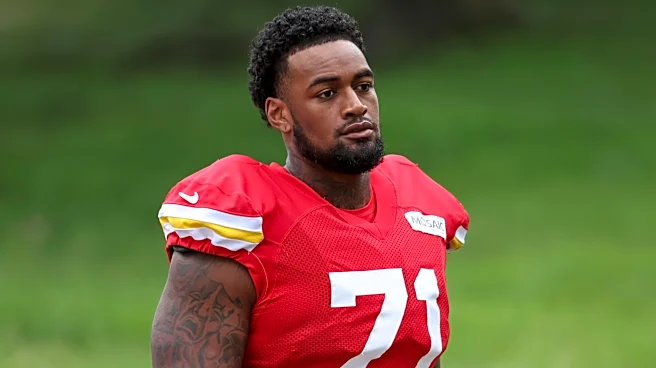
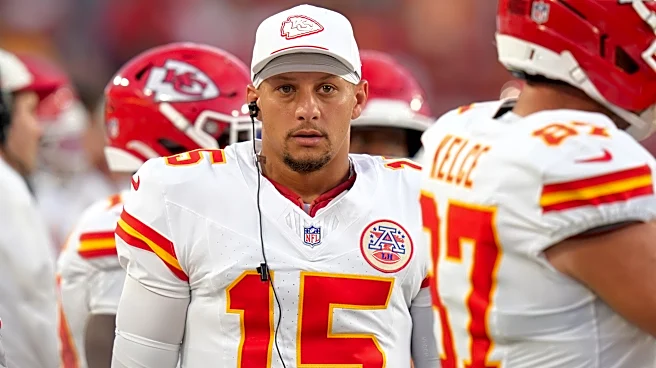
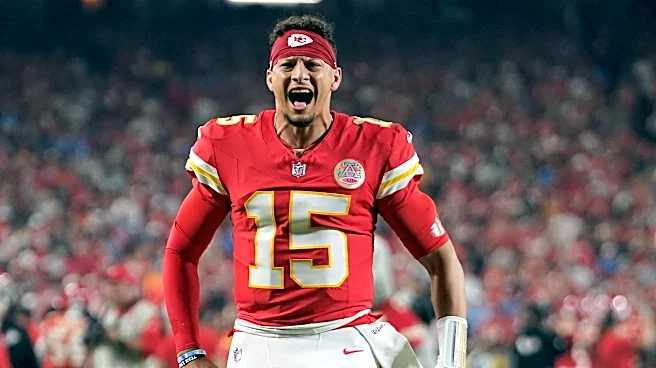
The days of Patrick Mahomes routinely ripping passes over the top of a defense likely won't return, with the Chiefs' subpar receiving corps and opponents' rampant use of two-high shells continuing to significantly box in the aerial attack. Yet the addition of running back Kenneth Walker III might prove transformative for the group.
After years of declining returns from the team's running backs, the Chiefs' ground game finally bottomed out last season. Kansas City only had a perfunctory presence operating from under center, with the team's intentions largely telegraphed. And with a league-low three carries of 20-plus yards on the season, and only one coming from a running back, Mahomes was left to shoulder an even more disproportionate burden as both a runner and overall offensive catalyst.
It's little wonder, then, that the Chiefs were drawn to Walker. The Super Bowl 60 MVP powered a Seahawks attack dependent on big plays with his breakaway speed. Still only 25 and having never logged more than 228 carries in a season, Walker can take on a more sizable role than he's accustomed to and still make Kansas City more dynamic.
Mixing in the occasional long run could alleviate plenty of difficulties for Mahomes. The lack of a consistent threat took a heavy toll on the offense's third-down efficiency, with Kansas City seeing its conversion rate (37.44%) plummet to 22nd in the NFL in 2025 after annually ranking near the top in the previous seven seasons. Walker also figures to hold a prominent role in reviving the screen game and play-action looks, two areas in which the Chiefs were formerly the league's standard-setters but have since fallen off considerably.
Minnesota Vikings
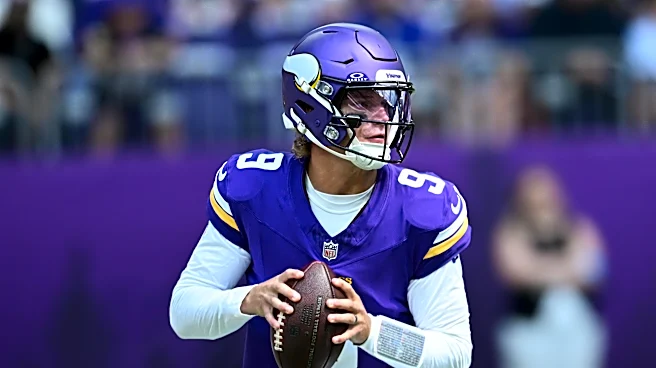
In moving quickly to wrap up their quarterback competition and name Kyler Murray their starter, the Vikings reaffirmed their dedication to chart a new course after losing their way last season with J.J. McCarthy at the helm.
Will the explosive plays filter through as easily as they did in 2024, when Sam Darnold ignited the group to the second-most passes of 20-plus yards (64)? That will be a tough bar for Murray, who's been waylaid by injuries for two of the last three seasons, to clear. Both the dual-threat quarterback and Kevin O'Connell likely still have significant work to do to close the chasm between their respective schematic comfort zones, and Murray might no longer be the out-of-structure virtuoso that he was in his athletic prime.
Then again, he might not need to be. O'Connell clearly has abundant faith in a system that's proven prolific when left to even a capable triggerman. After McCarthy so often squandered opportunities for Justin Jefferson and Jordan Addison by being either late or errant with his throws, a boost in precision could allow Minnesota's pass catchers to flourish with strikes to the sidelines.
The Vikings' skill-position players should also have more time and room to operate after last year's starting offensive line played just 83 snaps together amid widespread injuries. And while the revamped run game remains a work in progress through uneven summer performances, Jordan Mason could rip off more chunk gains as new assistant head coach Frank Smith ushers in more wide-zone looks that suit the running back's style of play.
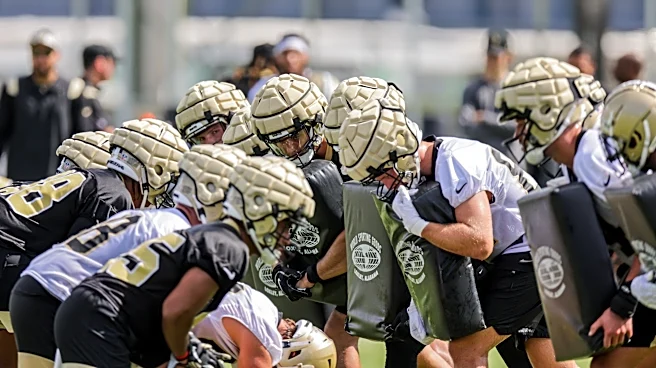
New Orleans Saints
For most of Kellen Moore's first year as a head coach, his up-tempo attack couldn't seem to find a rhythm. Not only were the Saints hampered by a run game that averaged the second-fewest yards per carry (3.7) of any team, but the passing attack posted the second-fewest 20-yard connections of any offense.
But things looked decidedly on the upswing by the end of the season. During New Orleans' 4-1 finishing stretch, the shorthanded offense averaged 24.8 points per game – nearly a full touchdown better than the team's season-long mark. A good deal of the progress traces back to the installation of Tyler Shough, the eventual NFL Offensive Rookie of the Year runner-up, as the starting quarterback near midseason. Six of the Saints' eight offensive touchdowns spanning 20 yards or more came after he took over for Spencer Rattler behind center.
With running back Travis Etienne Jr. and offensive guard David Edwards signing in the offseason, New Orleans should be more dangerous in almost every phase. The new backfield timeshare between Etienne and Alvin Kamara offers some much-needed staying power after the latter ball carrier averaged a career-low 4.0 yards per touch last season. Having any consistent presence in the ground game could open up additional downfield opportunities for Shough. The selections of first-rounder Jordyn Tyson, fourth-rounder Bryce Lance and sixth-rounder Barion Brown reflect the team's commitment to establishing vertical threats beyond go-to target Chris Olave.
Any progress on this front might be slow to materialize, though. The offense might not be at full strength until well into September as Tyson (hamstring) and Kamara (medial collateral ligament sprain) recover from their respective injuries.
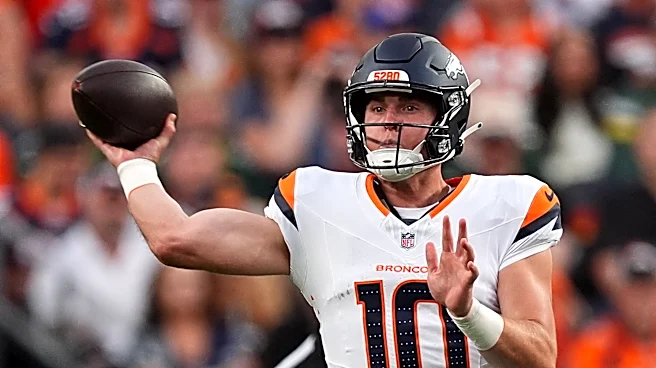
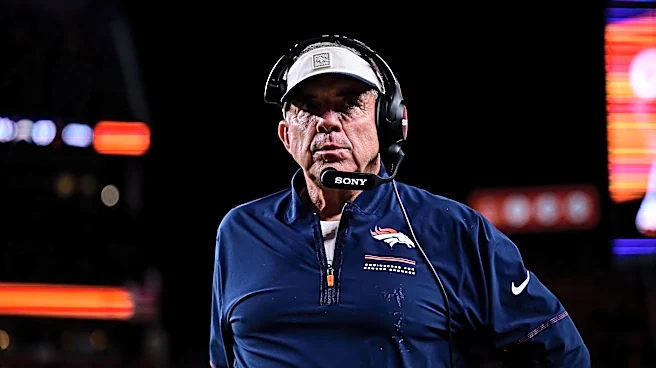
Denver Broncos
Excitement over preseason returns should always be tempered. Nevertheless, the Broncos' early showings offered a tantalizing preview of how Denver might introduce a long-absent facet.
Against the Green Bay Packers in the second week of the exhibition slate, Nix found offseason trade acquisition Jaylen Waddle down the seam for a 35-yard catch-and-run. Three plays later, Nix connected with second-year running back RJ Harvey on a wheel route for a 21-yard touchdown.
That spark was distinct for Denver that returned the core of last year's AFC championship game group, but still is in search of the next level. Through his first two years as a starter, Nix has kept the Broncos squarely in the middle of the pack in most offensive statistical categories. But the drives have often been methodical marches, with few figures breaking through the pervasive sense of stagnation.
Enter Waddle, who remains one of the league's premier speed merchants entering his sixth season. First-year offensive coordinator and play-caller Davis Webb is so enchanted with the dynamic target that he said Waddle will "play everywhere except the offensive line." Creative usage will surely maximize the receiver's output and allow him to create mismatches as a flyweight version of Sean Payton's beloved "joker" role. But his greatest dividends might come in the intermediate and deep middle of the field, areas where Nix still has considerable room for growth.
If Denver can more consistently keep defenses off balance and maintain a steady rushing attack led by J.K. Dobbins, a breakthrough is entirely within reach.
This article originally appeared on USA TODAY: Five NFL teams that could be more explosive in 2026