






Oct. 5
Today in history
Today is Oct. 5. On this date in:
1813: Shawnee Chief Tecumseh, a leader in the fight against White settlement, was killed in the Battle of the Thames in Ontario, Canada, during the War of 1812. He had joined British forces as a brigadier general with the promise of an independent Native American nation under British protection, should they win.
1905: Wilbur Wright made the longest flight of the Wright Flyer III, covering 24 miles in 39 minutes.
1910: Portugal became a republic following a successful revolt against King Manuel II.
1930: The maiden voyage of the massive British-built airship R101 ended in a fiery crash that killed 48 people in Beauvais, France, during the golden age of “lighter-than-air” dirigible aviation.
1945: A six-month strike by Hollywood set decorators turned into a riot at the gates of Warner Bros. studios, resulting in what is known as “Hollywood Black Friday.”
1947: President Harry S. Truman made the nation’s first televised presidential address, urging citizens to conserve food on account of hunger in post-war Europe.
1962: The Beatles released their iconic song “Love Me Do,” sparking the rise of Beatlemania and setting them on the path to becoming one of history’s most famous bands.
1962: The James Bond film “Dr. No” debuted in London, the first in what became a legendary film series featuring the charismatic British secret agent, then played by Sean Connery.
1969: And now for something completely different: The BBC debuted "Monty Python’s Flying Circus," a groundbreaking British TV show by arguably the most beloved absurdist comedy troupe in the world.
1970: The Public Broadcasting Service – a network that prioritizes educational, cultural and public service content – was founded.
1984: Marc Garneau became the first Canadian in space, flying aboard the Space Shuttle Challenger.
1986: Former U.S. Marine Eugene Hasenfus was captured by Nicaraguan Sandinistas after a plane carrying arms for the Nicaraguan rebels, the Contras, was shot down. This led to exposure of the “Iran-Contra affair” – a significant political scandal for the administration of President Ronald Reagan after it was revealed that money from the sale of arms to Iran was used to fund covert operations in Nicaragua.
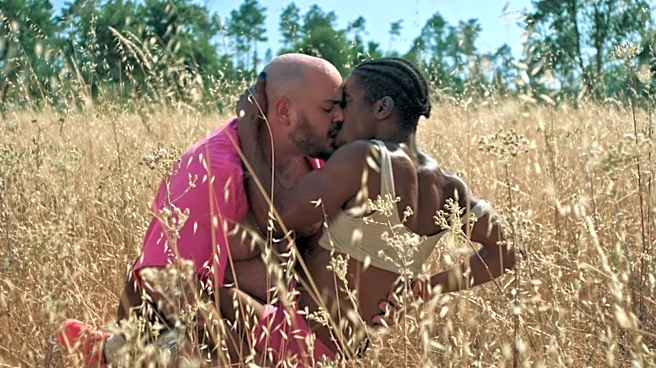
1990: “Henry and June,” a film based on the book by Anais Nin, was released as the United States' first movie to be given an NC-17 rating.
2000: Mass demonstrations began in Belgrade, spurring Yugoslav President Slobodan Milosevic to resign the next day.
2011: Apple cofounder Steve Jobs died at the age of 56 after a long battle with cancer. Widely considered a visionary, his groundbreaking technology transformed modern life around the globe.
2015: Then-Gov. Jerry Brown of California signed the End of Life Option Act, giving terminally ill patients the “right to die.”
2017: The New York Times published a bombshell investigation into allegations against Harvey Weinstein, sparking the beginning of the #MeToo movement.
– USA TODAY Network
This article originally appeared on USA TODAY: Today in history, October 5