




The teams, the leagues, the betting companies, the athletes – they’re all happy to take women’s money and see our butts in the seats. But God forbid they share their space in sports with us or treat us with even the slightest shred of decency.
Just in the last week, we've seen:
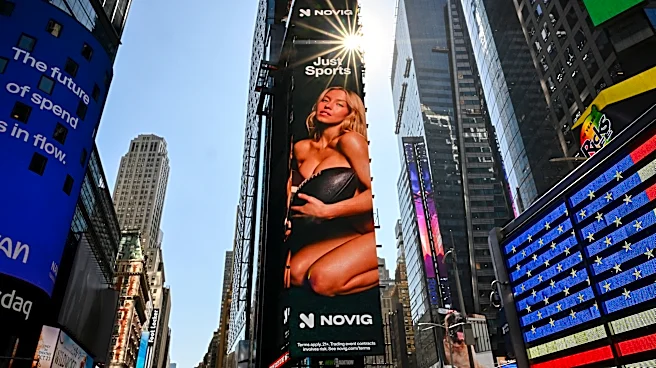
- A betting company tells women their only place in sports is as a sexualized object.
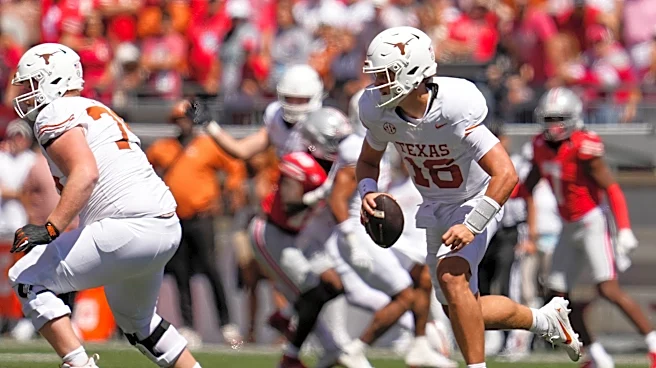
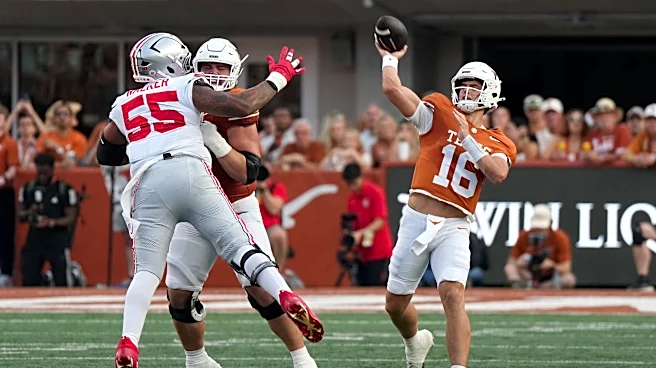
- Arch Manning, the highest-profile college quarterback, laughing about an AI video of his coach slapping a woman and calling it “hilarious”, and (mostly male) media in the room yukking it up right along with him.
- Renderings of a future arena in Philadelphia show almost no female fans, even though it will be home to the city’s WNBA team.
And this doesn’t even include last month’s debacle by Good Good Golf and Callaway, both of which greenlit an ad that made light of violence against women. Or the general “broification” of traditional sports media where, Mina Kimes aside, the biggest spotlight belongs to men.
It’s exhausting, at a time when women’s sports have never been more popular and women athletes have never had more visibility, to be told we are to be seen and not heard when it comes to traditional
sports. That we can have the WNBA and NWSL and college softball and volleyball, but football, golf and even betting on sports belong to men and we are not welcome. Or that if we insist on invading their space, it better be as eye candy.
'When women gain power ... it's accompanied by this backlash'
“It’s about a reinscribing of those spaces and a reassertion of those sports as male-dominated and masculine-oriented institutions,” said Cheryl Cooky, a professor at Purdue University and co-author of the "Gender in Televised Sport Report," which shows a continued siloing of coverage of women’s sports.
“When women gain power in societies, it’s accompanied by this backlash. We’ve seen it before in society.”
What’s so disheartening is we thought we were making strides. Fifty years after the passage of Title IX, sports are engrained in the lives of girls and women. We play them, we watch them and we're invested in them, same as boys and men.
We've found a place in the foundation of the sports landscape, too. The W is thriving, with TV ratings, team valuations and salaries continuing to soar. Nike believes A'ja Wilson and Caitlin Clark are bankable enough to give them their own shoe and apparel lines. The sight of women assistants in the NFL and NBA no longer even raise an eyebrow.
Even leagues that used to pander to us by “shrinking and pinking” a few T-shirts and calling it a day are now producing merchandise made specifically for women fans.
But anytime we think we’ve reached something akin to equality, that our fandom is being valued and the performances of women’s athletes are being respected, someone slams the clubhouse door shut and puts up a “No Girls Allowed” sign.
Women fans and athletes deserve better than continued misogyny
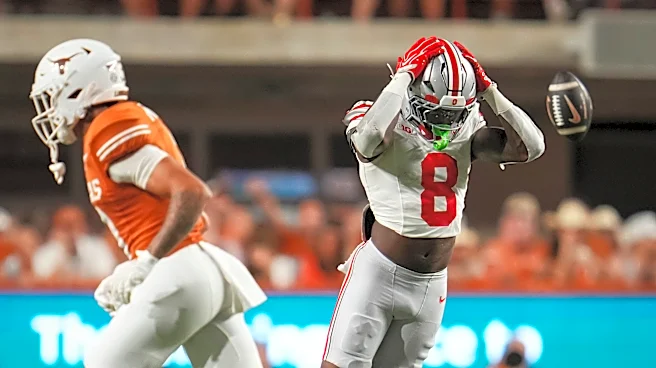
What, exactly, was funny about a video showing Holly Rowe, one of the most respected broadcasters in the business, being physically abused? And don’t say it was just a joke or dismiss it because it was AI. That anyone could think a woman’s safety is a laughing matter in any format is problematic, and Manning’s reaction tells us as much about the 22-year-old as that fourth-quarter comeback he directed against Ohio State.
Why, exactly, did the betting site Novig think it was OK to demean the sweat and sacrifice of women athletes? And don't wave it off by saying women athletes pose nude for magazines, too. Those bodies are the product of years of work and training, to be appreciated for what they've accomplished rather than be ogled over for sexual gratification.
Why, exactly, do the companies behind the Philadelphia arena and people who are shoving "guys' guys" in our faces and feeds think women don't exist? Women make up between a third to half of the fan base of all major sports and, even more importantly, we make almost 85% of all purchasing decisions.
That Manning and Novig backpedaled on their misogyny doesn't matter. The damage was done.
“To me, that speaks to the power of gender and gendered-power dynamics in shaping a lot of how these decisions are made,” Cooky said. “The perception that sports are by, for and about men oftentimes overrides what would make sense economically.”
The male sports monopoly is ending. The numbers prove it
There is a warning here to the Arch Mannings and the Novigs of the world, though.
Until recently, female sports fans gravitated to traditional men’s sports because they were the only options. Now you can find a WNBA or college softball game just as easily as an NFL or college football game. Women’s teams are building their own stadiums and creating their own ecosystems for fans. The Sports Bra, believed to be the first sports bar dedicated solely to women’s sports, isn’t even five years old and now there’s something similar in pretty much every major city in this country.
When you tell us you don’t want us, we hear you. When you say you don’t respect us, we understand that. But do not mistake it for acceptance.
Gymnast Gracie Kramer’s clapback to Novig and Sydney Sweeney’s misogynistic ad, showing what sports actually look like for women, has been viewed more than 4.5 million times on TikTok and 1.2 million times on Instagram. Alienate those people, and there's no guarantee you'll get them or their money back.
“This is so much bigger than a moment or a trend. It’s about inspiring real change in the way women are seen, valued, and represented and reminding the next generation of powerful girls that there is no limit to who they can become,” Kramer, a three-time All-American at UCLA, wrote in a second Instagram post.
“Women in sports are having their moment, & it’s about damn time.”
There is room in sports for men and women. It's the outdated, marginalizing and demeaning attitudes that don't belong.
Follow USA TODAY Sports columnist Nancy Armour on social media @nrarmour.
This article originally appeared on USA TODAY: US sports respect women's money. That's where it ends | Opinion