






There are 13 members of the U.S. Senate Special Committee on Aging.
Nine of them are men.
On Wednesday, Sept. 16, they will be talking about vaginal estrogen and hot flashes, OB-GYN training and insurance coverage at the first-ever congressional hearing on menopause.
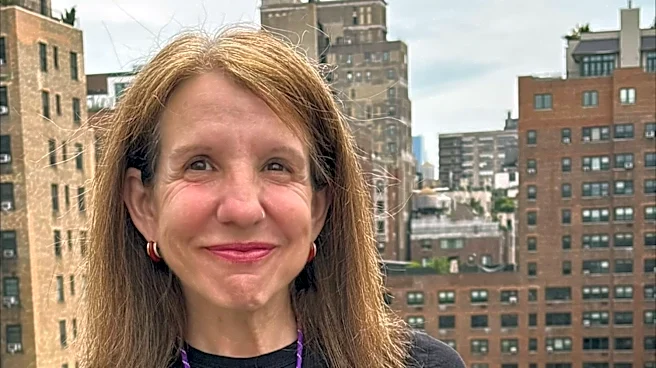
Sen. Kirsten Gillibrand, D-New York, is aware that some men on the committee and in Congress might feel uncomfortable with the topic, but she is pushing ahead anyway.
“Every member of Congress knows someone who is going through, has gone through, or will go through menopause. Menopause impacts over half of our population, and the fact that Congress has never held a hearing on it is absolutely disgraceful," Gillibrand says.
She also wants Congress to understand that menopause care is
health care, affecting more than 75 million women.
With 1 in 10 women leaving the workforce because of menopause, and an additional 1 in 5 considering retiring early, it can lead to fewer women leaders at a time when they make up less than one-third of top jobs. One study by the Mayo Clinic says menopause leads to $1.8 billion in lost work time a year.
Women still make up fewer than one-third of the members of Congress, according to the Pew Research Center.
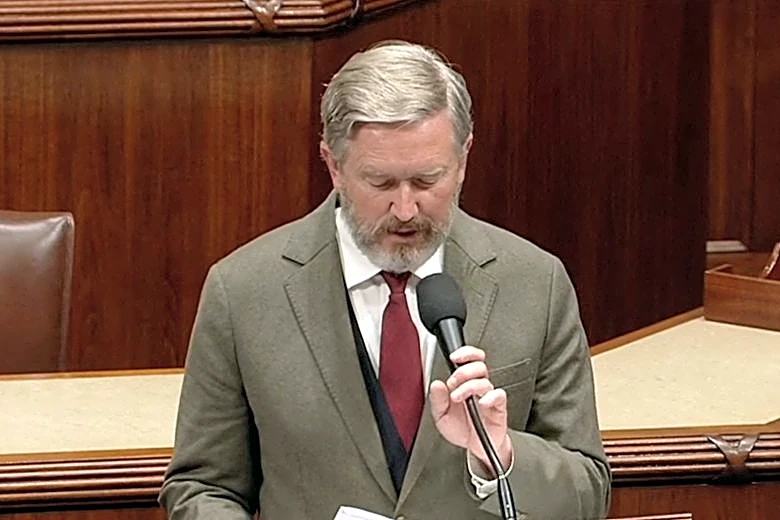
Gillibrand is calling for more money for menopause research and training and education for physicians and other medical professionals at the hearing titled, “Half the Country, Zero Hearings: Meeting the Moment to End the Menopause Care Gap in America” on Sept 16. She is working with Aging Committee Chairman Sen. Rick Scott, R-Florida. She wants a report on the federal government’s role in menopause care and research to help better understand the gaps in research, education and treatment.
The significance of the hearing is monumental, menopause advocates say.
 "When in Menopause: A User's Manual & Citizen's Guide."" id="90609409007">
It comes at a time when only 1 in 3 U.S. medical residency programs offer formal menopause curriculum, as documented in the Menopause Journal, and when women are struggling to find estrogen patches, a medication to treat their symptoms and prevent future health problems.
“Our leaders need to understand that menopause is not just hot flashes and occasional symptoms – but impacts our careers, our wallets, our families, even our longevity,” says Jennifer Weiss-Wolf, executive director of New York University Law’s Birnbaum Women’s Leadership Center.
Many feel menopause is having a moment. Melinda French Gates invested $10 million in training for menopause, the Federal Drug Administration removed the black box warning from some hormone replacement therapy after more than 20 years, and it seems every celebrity from Halle Berry to Naomi Watts is talking about vaginal dryness and joint pain from menopause. But women are still struggling.
“It is well past time for Congress to commit to funding modern research and improving medical education,” says Weiss-Wolf, author of the forthcoming book, “When in Menopause: A User’s Manual & Citizen’s Guide,” which focuses on how everyday people can demand action. “This so-called “menopause moment” will mean nothing without a top-down and bottom-up commitment across government to equitable and systemic reforms.”
More than half of U.S. states have introduced or passed bills or laws around menopause in the past two years. Last summer, in 2025, Rhode Island became the first state to mandate that companies offer accommodations for menopausal women. And Maryland soon will begin requiring private insurance companies to cover menopause care and will incentivize menopause education for providers.
Laura Trujillo is a national columnist focusing on health and wellness. She is the author of "Stepping Back from the Ledge: A Daughter's Search for Truth and Renewal" and can be reached at ltrujillo@usatoday.com.
This article originally appeared on USA TODAY: Congress set to discuss this once taboo topic in women's health