


With the first two months of the college football season nearly completed, all we’ve really learned is that the race for the national championship is, well, pretty much as wide open as we expected it to be. We’ve already seen four different teams occupy the No. 1 spot in the US LBM Coaches Poll, but nobody seems truly safe on any given Saturday.
Another busy weekend of action left us with plenty of observations, and as usual we’re here to try and sort out the overreactions from the legitimate conclusions about what we just witnessed.
We begin once again in the conference of greater meaningfulness.
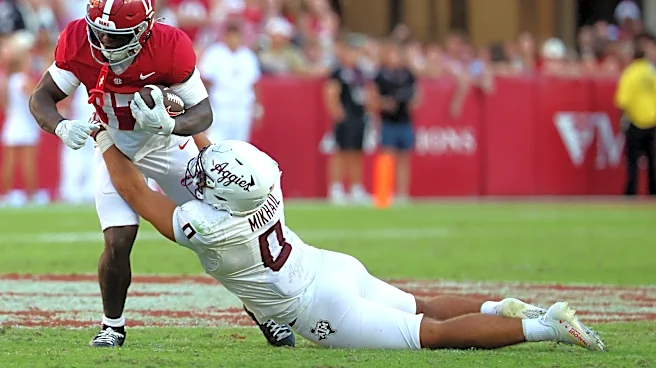
Blame the nine-game schedule for SEC chaos
A cursory glance at the SEC standings will tell you there are just two teams remaining with one league loss. One is Georgia, which you might have anticipated
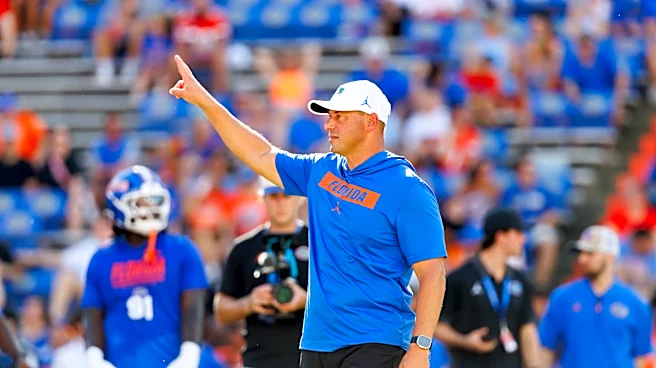
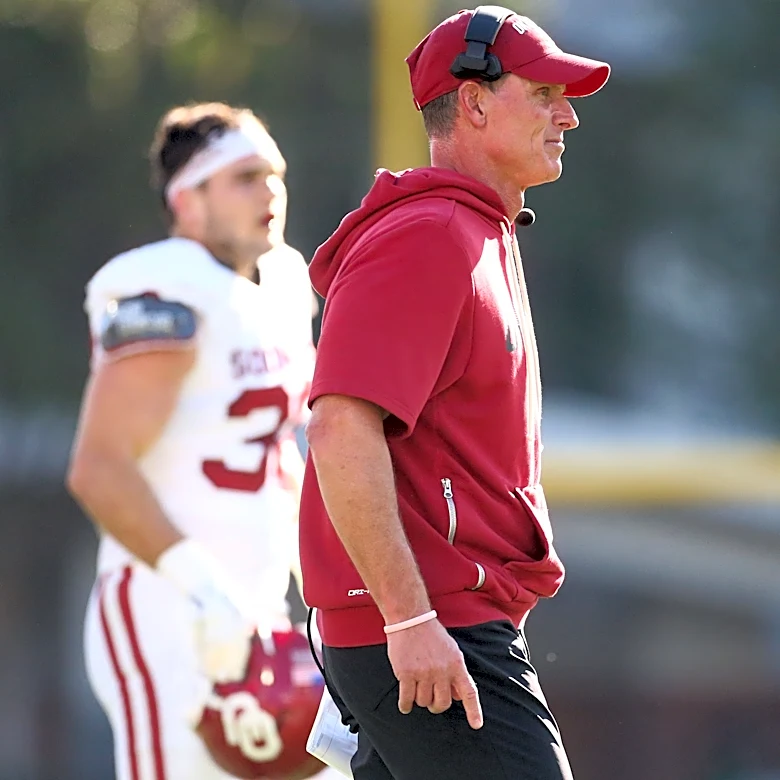
at the start of the campaign. The other is Kentucky, a development that is a surprise to everybody – with the possible exception of Will Stein himself. Furthermore, any attempt to sort the list of two-loss teams into some sort of logical order will send you down a set of tangled loops more confusing than suburban cul-de-sacs.
It’s easy to point to the addition of a ninth conference game to explain the lack of clarity at this juncture of the season, but that’s only part of the issue. The real culprit – and the SEC is not alone in this – is expansion. The power conferences went to a nine-game slate in part to address the imbalance of schedule strengths within the leagues. We might indeed achieve the intended separation over the final month, but there’s still considerable luck of the draw involved that could wind up determining who goes to the league championship game.
This in turn brings us to another issue we’re going to encounter in future seasons when the playoff expansion nobody wants becomes reality. The elimination of conference championship weekend will remove a key datapoint from an already imperfect process. In large conferences with 16 to 18 members, teams are obviously going to miss playing nearly half the league, and one mechanism to bring the top two finishers together for what more often than not is an incredibly entertaining game will be gone. In short, bigger is often not better when it comes to both conference size and the postseason field.

Big Ten offenses are all broken
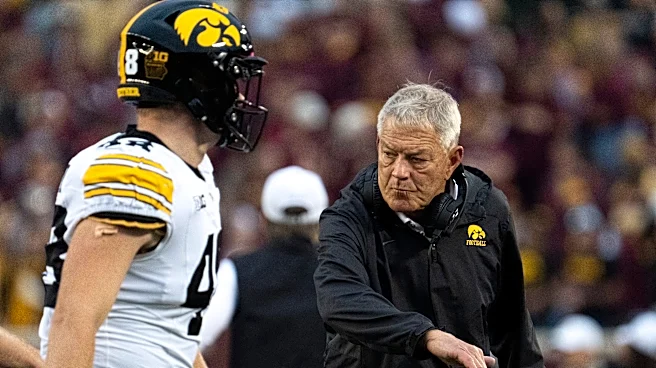
You’d be forgiven if you peeked at the Big Ten scoreboard this weekend and believed you’d been transported back to the 1970’s. There were final scores of 13-10, 13-6 – and that one went overtime – and three other results in which the losing team managed 10 points or fewer. We expect scores like that in games involving Iowa, of course, but even Indiana, which averaged 41.6 points a game during its championship run last season, has scored just a total of 43 points in its last three outings.
So what gives? Can nobody play offense anymore? As with many such questions, there is not one simple answer. In the case of the Hoosiers, a Heisman caliber quarterback can’t just be plugged in, despite how easy it might have looked last year. Injuries have factored into it as well at several league locales, and coaching staff changes as well as the usual player turnover have also contributed to defenses being ahead of offenses even at this late stage of the season.
At this point, however, these teams probably are who they are, so don’t expect the Big Ten to start putting up video-game numbers the rest of the way. And oh yeah, did we mention a certain individual award denoted by an iconic statuette?
A non-quarterback will win the Heisman
Given all the subpar QB play we’ve seen – and it’s not just the Big Ten –, it seems like conditions are favorable for a player at a different position to bring home the hardware this year.
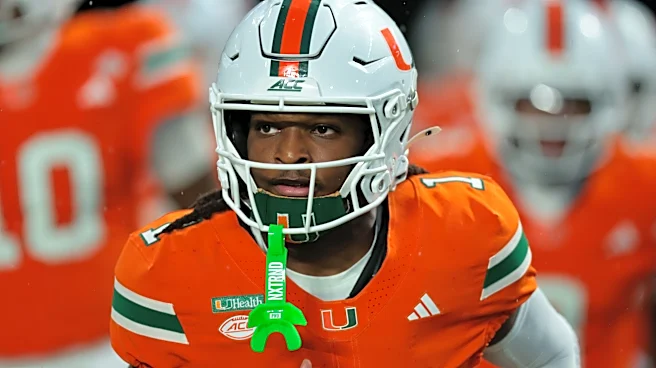
Who might that be though? The obvious candidate, Ohio State receiver Jeremiah Smith, will be working with a backup passer for the foreseeable future with Julian Sayin sidelined with a shoulder injury. Miami standout receiver Malachi Toney has a strong argument, but he and his own quarterback Darian Mensah might split votes. For a lengthy part of its history the Heisman was a running back award, but no ball carriers have distinguished themselves with eye-popping numbers this season. In truth, the race seems as wide open as the playoff hunt, which should make for a lot of intrigue in the season’s final month.
Big 12 parity should get more respect
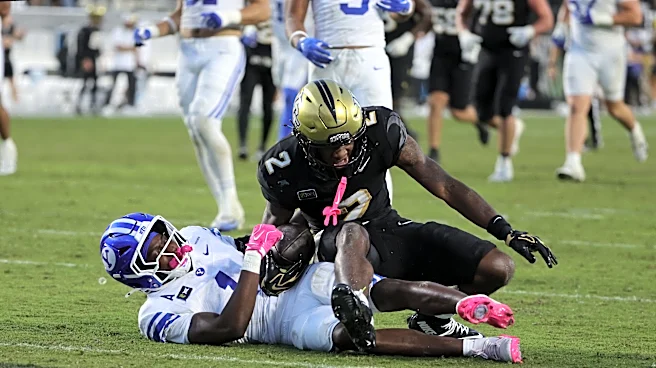
While SEC teams were picking each other off through the first seven weeks, the Big 12 leaders had avoided cannibalizing themselves. All that changed in Week 8, however, as two of the league’s three unbeaten teams lost on the road.
Unfortunately, as the committee has demonstrated in past years, parity in the Big 12 does not lead to multiple invitations as it does in the SEC or Big Ten. A road loss at Cincinnati or Central Florida is more damaging than a loss to, say, Ohio State or Florida. That’s – just reality. Now having said that, there are results in those conferences as well that would qualify as resume eliminators – Oregon, anyone? –, but like it or not, there’s less margin for error in the Big 12 because of the lack of head-to-head non-conference wins.
Boise State is a lock for the College Football Playoff
Still the lone team from the so-called Group of Six with a Top 25 ranking in the US LBM Coaches Poll, the Broncos would appear to have the inside track to the field of 12. But do they?
Obviously, they must first secure the Pac-12 championship, and it helps that they’ll get to face primary challenger Oregon State on their home blue turf. But there’s a team from their former conference that might also have an argument. New Mexico is in the driver’s seat in the Mountain West, and also has just one competitive loss against a Power Four team. Things might get a bit testy between fans of those former league mates in early December should they win out.
This article originally appeared on USA TODAY: Crisis in SEC, Big Ten lead college football overreactions after Week 8