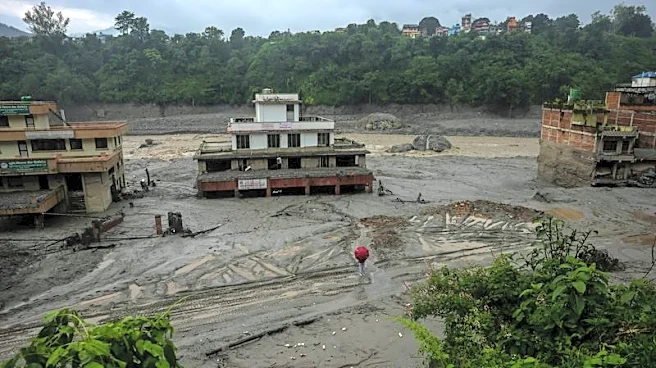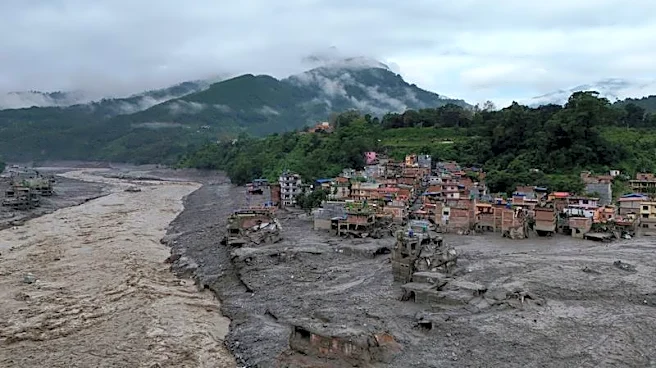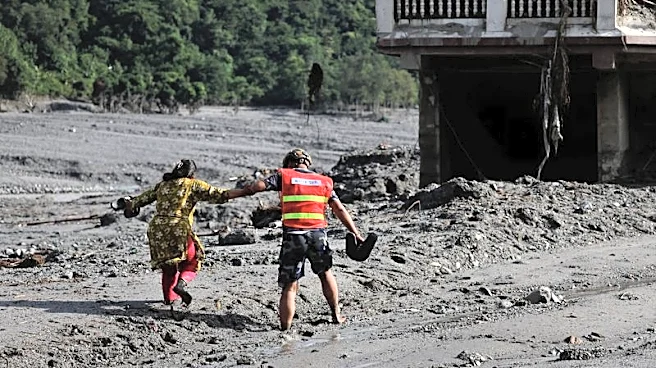




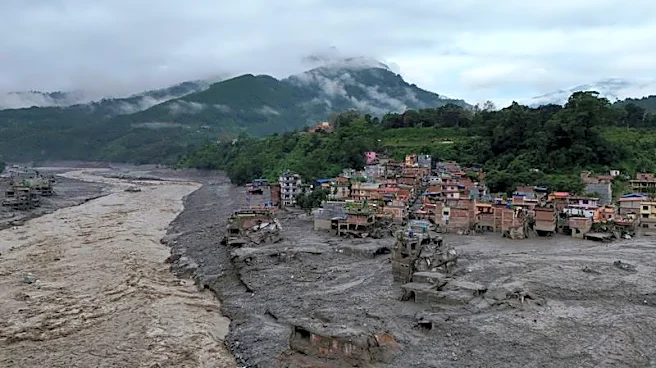
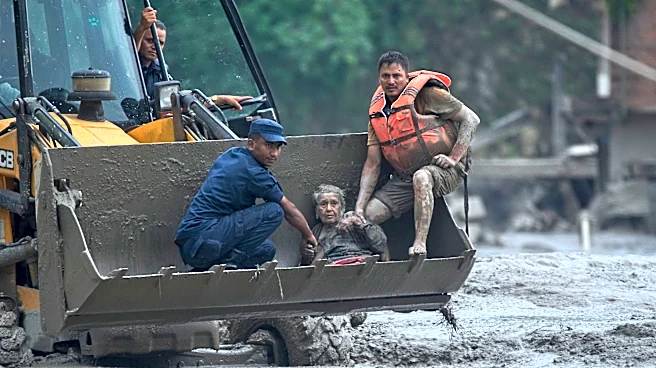
Search and rescue efforts continued on Aug. 29 after catastrophic flash flooding struck in Nepal, leaving more than 600 people dead and thousands missing.
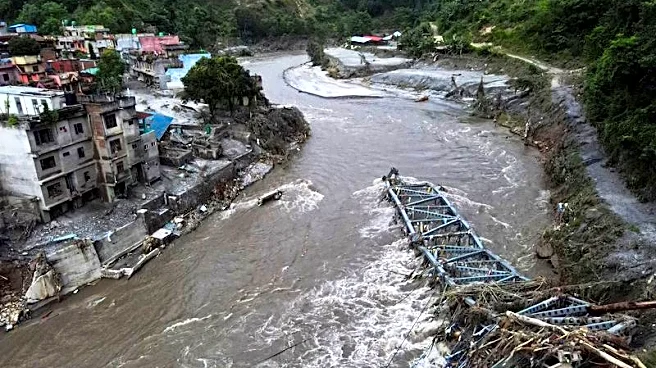
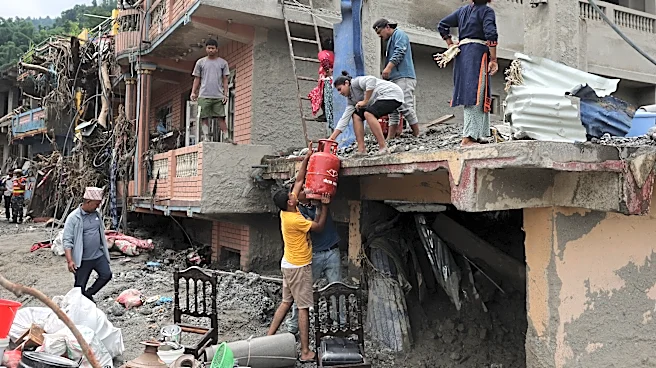
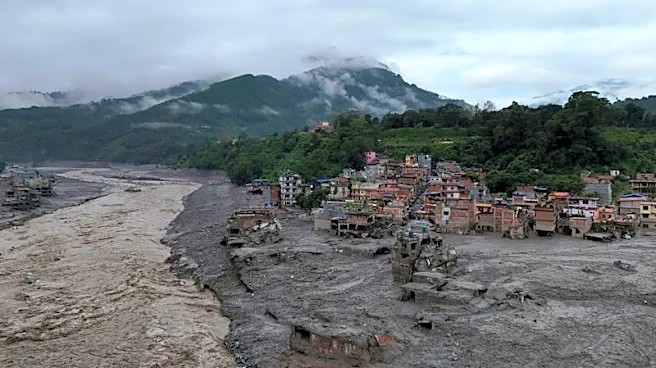
The disaster unfolded at about 8:30 a.m. local time on Aug. 26, when a huge landslide tore through a region near the border with Tibet, sending rock, mud and debris hurtling into riverside communities. Buildings and infrastructure were destroyed and swept away.
Hundreds of foreign nationals from three dozen countries are among a total of nearly 3,000 missing, according to the Nepal Tourism Board. Among the missing are dozens of Americans, while authorities say three have been rescued.
Saraswati Ghale, 43, told Reuters her home was destroyed in the flood. She managed to escape by scrambling uphill
as the water roared through.
"I don’t have anything (left) ... I am saved but who knows how things will pan out," she said.
Here's what we know about the disaster as search efforts for survivors are underway:
Death toll rises as search continues
The death toll on Aug. 29 stood at 669 in Nepal and seven in China's Tibet. The number of missing was nearly 3,000, including about 2,426 in Nepal and 554 in Tibet's Gyirong County. About 500 missing are foreign nationals.
The Nepal Tourism Board said in an update on Aug. 29 that 187 people have been successfully rescued, including three Americans.
Nearly 93,000 people are estimated to have been impacted, according to the Red Cross.

Families gathered in Kathmandu and tried to identify loved ones from photos of the bodies of victims posted on gates there. Manivannan Rethinam, a representative for families of some of the missing , said lack of information was "profoundly painful" for those waiting to hear about their loved ones.
Some bodies recovered from the debris were decomposed and unrecognizable, and would be buried to avoid disease outbreaks, authorities said. DNA samples will be collected for identification, said a notice from the Chitwan district.
Rescue efforts resume after fears of more flooding
Search and rescue operations continued on Aug. 29, after crews had to pause their efforts due to fears of additional flooding brought on when a lake that had formed across from the Nepal-China border during the Aug. 26 flooding began to overflow into rivers.
Experts have warned there is a high risk for a secondary disaster in the region.
On Aug. 28, crews temporarily stopped search and recovery efforts, but they were resumed after water levels dropped in the lake.
What happened in the Nepal disaster?
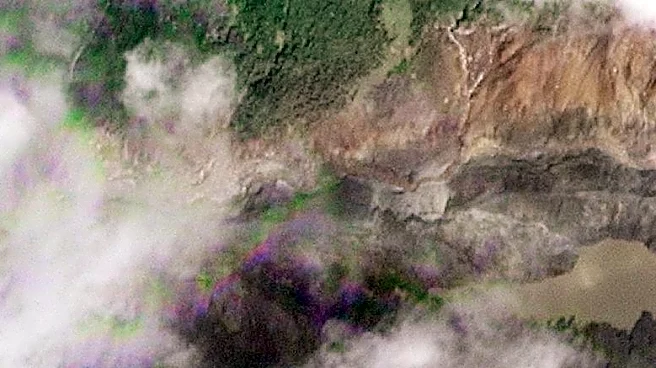
Officials and experts believe that a glacier collapse was the cause of the disastrous rush of rock, mud, ice and debris that rushed down 60 miles of river through Nepal.
Originally recorded as an earthquake, the seismic event was a 5.2 magnitude landslide, a glacial collapse and debris flow, the U.S. Geological Survey reported.
The rushing deluge of debris flowed as fast as 186 mph or more, an early analysis found.
Contributing: Dinah Voyles Pulver and Natalie Neysa Alund, USA TODAY; Reuters
This article originally appeared on USA TODAY: Search efforts continue as deaths pass 600 in Nepal flood disaster