







Spooky season is upon us, booklovers!
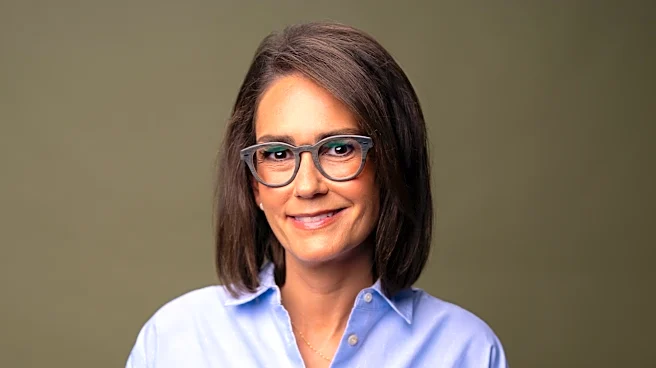
I'm Josh Rivera, filling in for Clare while she takes some deserved time off. I'm an editor at USA TODAY and have been documenting my own road to publishing.
Reporting on the industry has made me take a closer look at what we read and when. While I'd argue that horror is a year-round genre, fall is its time to shine.
So, what's scaring us in 2026? Increasingly, it might be the realization that doing the right thing won't save you.
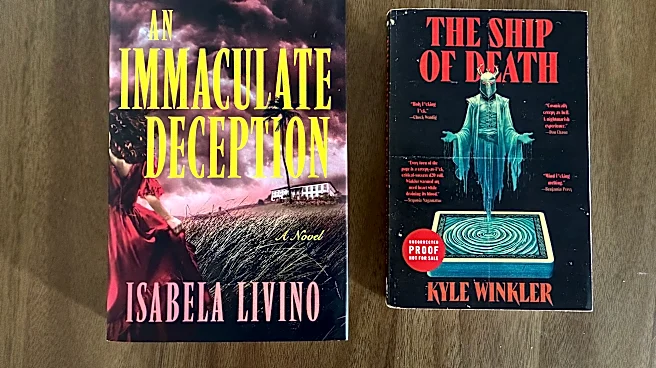
Two new novels – Kyle Winkler's "The Ship of Death" and Isabela Livino's "An Immaculate Deception" – find horror in a lack of control, and in how kindness, manners and trust can become openings for bad actors to hijack your life.

"The Ship of Death" (out Sept. 29) makes that anxiety
part of its form. Told through notes, transcripts, emails and forum posts, the novel stitches its sources together into a Frankenstein monster of a story that refuses to smooth out the seams. There’s no narrator to make you feel safe. As the characters become trapped in a sinister role-playing game, you become a pseudo-participant, compelled to see it through.
Winkler told USA TODAY:
"The feeling of collective dread that casts its pall over a small group of people; the contagious fear that clicks into place when you're with a loved one and you share a piece of irreversible information; and the strange dream circle that's created when people sit down at a table to imagine a made-up world together through roleplaying and pretend it's real."
Similarly, "An Immaculate Deception" (out now) explores female agency in the gothic tradition. For the novel's first half, we know only as much as the main character, Madalena, does. As answers arrive, we're forced to contend with a familiar horror: Welcoming someone into your home can be repaid with abuse.
Livino said:
"I feel less restricted when I’m writing horror. There are taboo subjects that would be unpublishable in other genres, but that are actually hallmarks of gothic horror. And I like pushing the boundaries rather than staying in safe places."
Both novels capture horror's familiar hallmarks, but reimagine them through different voices, cultures, formats and styles. "You don’t have that feeling of 'sameness' that you get when a category becomes stale or lacks diversity," Livino said.
That diversity, I believe, is what keeps the genre pushing forward. "We get to learn more about the cultures and places that these diverse portrayals haunt us from," Winkler added.
For now, the scariest thing might be that doing the "right" thing is punishable.
This article originally appeared on USA TODAY: Horror books that ask 'Who can you trust?' 💀