



Do you think your car has a recall-related issue? Today, car recalls can cover everything from defective backup cameras to faulty brake lights and more.
Dealing with a car recall can scare drivers. If something seems wrong with your car, your first instinct may be to take it to a mechanic.
Here's a list of steps you should take if you believe your car is defective and needs immediate mechanical attention.
What to do if you think your car is defective
One way to reduce the stress of a defective vehicle is to learn the root cause of its issues and whether the automaker knows about the problem and is actively addressing it. You can check car recalls by submitting your state and license plate number, VIN, or year, make, and model to the National Highway Traffic Safety Administration's recall database.

Once you submit your car's information, the database will populate active recalls and include the issue, components, potential number of units affected, a summary, and a remedy for the problem.
Recall solutions usually involve bringing your car to an authorized repair center for mechanical fixes or updates for software-related issues. They are often free of charge and covered by the automaker if the defect is their fault.
Can you be compensated if you paid for a recall fix?
You may be eligible for reimbursement if you have documentation. Automakers typically have an online portal for submissions.
Should you ever ignore a car recall?
Drivers shouldn't ignore an active safety recall. Leaving a recalled defect unrepaired could pose a safety risk and, in some circumstances, become a factor if the vehicle is later involved in a crash.
Recalls on your vehicle that go unaddressed can also lower its resale value. If your car is being recalled, it's best to get it fixed by an authorized service center or dealer as quickly as possible to protect your vehicle.
Brands like Ford, Hyundai, Nissan and Stellantis were recalled more than others in 2026.
What car brand has the most recalls in 2026?
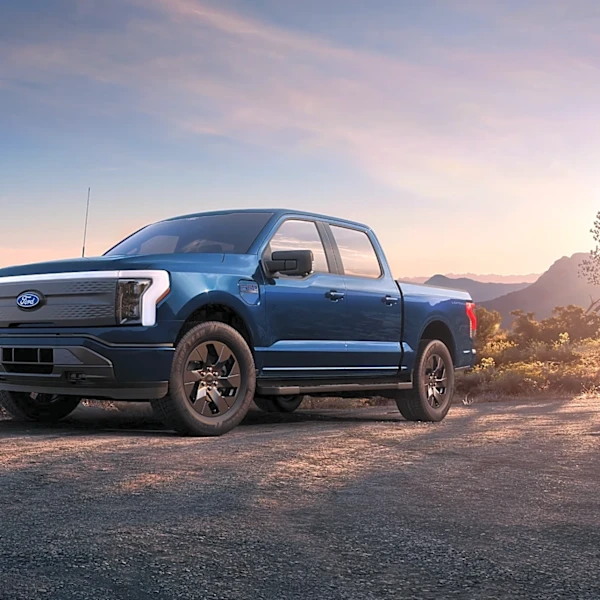
Ford led the American auto industry in recalls with 55 campaigns spanning over 12 million vehicles in the first half of the year, according to dealership support company BizzyCar. Its largest recall involved a software glitch that could cause trailer brake lights and brakes to fail.

This recall involved 4,380,609 vehicles, according to NHTSA, though only 1% of those vehicles were estimated to have the defect.
Are car brands with frequent or massive recalls unreliable?
Car brands that have a large-scale active recall aren't inherently unreliable.
Many large recalls are software bugs according to vehicle-safety.org. They can quickly be addressed with free over-the-air (OTA) software updates. Sometimes these updates can be performed from home, allowing owners to avoid a trip to an authorized repair center or dealer.

Most major automakers issue large recalls, so it's tough to avoid them entirely. However, if you are looking for a vehicle with above-average dependability scores, brands like Toyota, Subaru, Lexus, and Honda are ranked one to four for predicted reliability by Consumer Reports.
Charles Singh is an Autos Connect Reporter for The Tennessean, part of the USA TODAY Network. Contact him at CSingh@Gannett.com.
This article originally appeared on USA TODAY: Your car issue may be part of a larger recall. Here's how to check