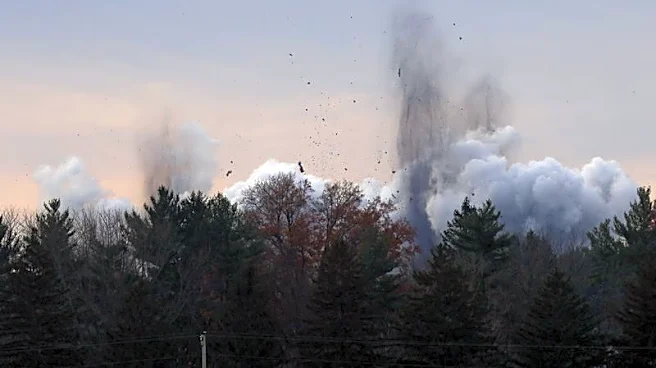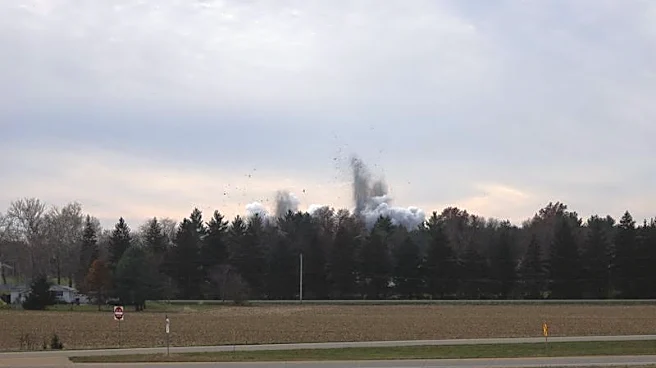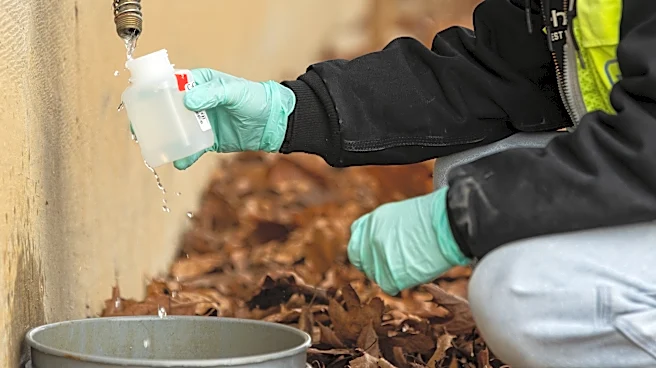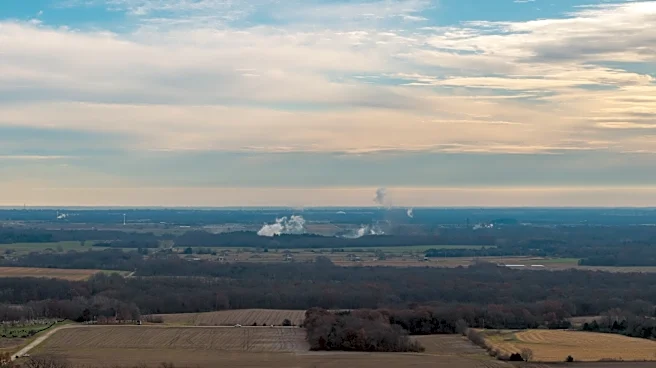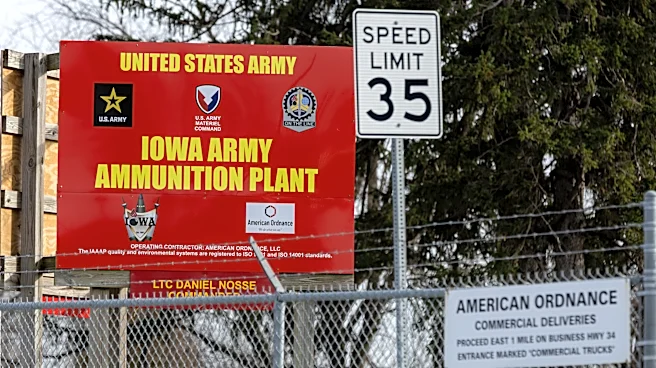





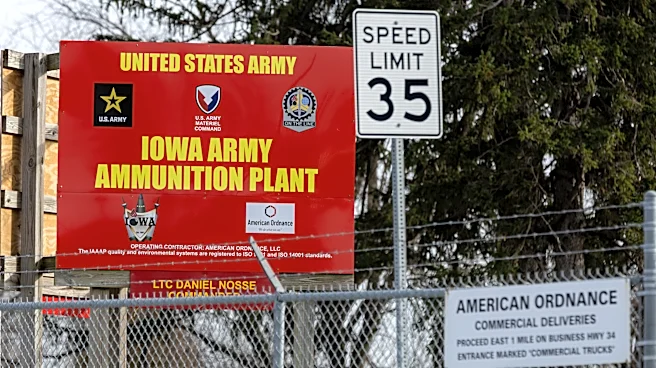
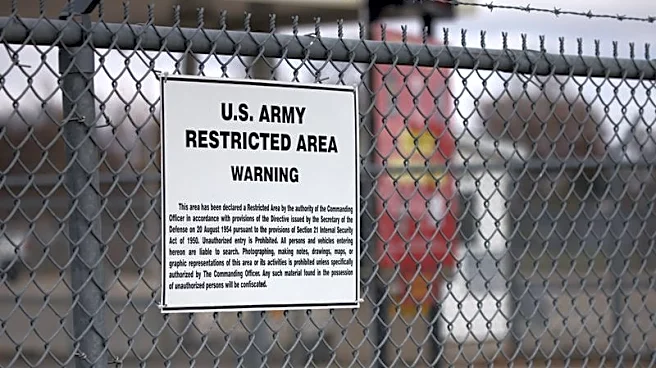
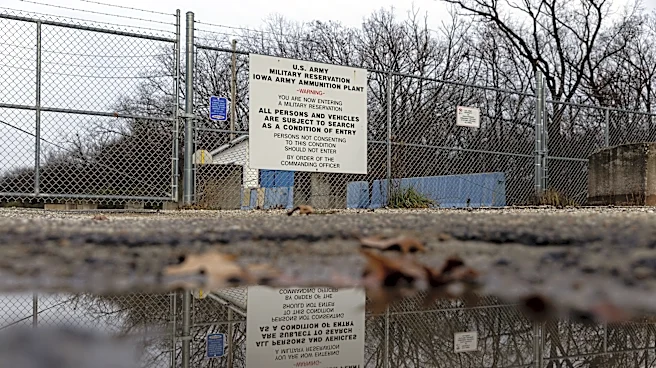
Initial test results show no signs of elevated lead levels in 38 drinking water samples taken after the U.S. Army blew up 68 barrels of toxic lead azide Nov. 25 at the Middletown, Iowa, ammunition plant, according to the federal Environmental Protection Agency.
The tested samples included both untreated and treated drinking water.
The agency released its first lab results Saturday, Nov. 28, after collecting more than 3,200 air, soil, dust and water samples before and after the detonation of the deteriorating lead azide at the Iowa Army Ammunition Plant.
The blast spurred national attention, with the Army's initial Nov. 20 detonation plans spurring fierce pushback.
A court challenge halted the detonation until the Eighth Circuit Court of Appeals
allowed the process to continue, deeming the Army's plan sufficient and necessary to stave off an uncontrolled blast. The Army scheduled it for Nov. 25.
Still, fears that the detonation could spread a plume of lead dust more than 100 square miles prompted evacuations and orders to shelter in place for area residents.
The Army said the detonation exploded inward, and with additional mitigation steps, appeared successful in knocking down lead dust. Airborne monitors in 30 hours following the blast found no discernible lead levels, the EPA said.
Now, the first EPA test samples indicate more good news, with results indicating the detonation "DID NOT result in AN ELEVATION of lead in the water bodies that act as drinking water sources," the EPA said in a release.
"As of data received Friday night, there was no detection of lead in drinking water sources taken after the detonation," the EPA statement said.
"We will continue to provide updates in the coming days as new lab results for over 3,200 air, soil, dust and water samples (collected pre- and post-detonation) rapidly return and get validated."
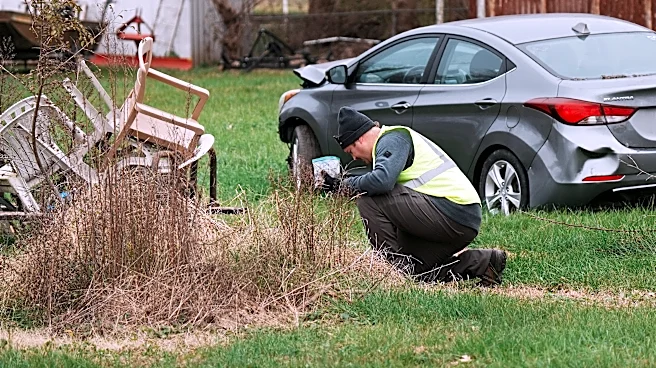
EPA officials said workers and volunteers collected 1,632 samples before the detonation. After the blast, another 1,607 samples had been collected.
Testing included 187 structures sampled both before and after the detonation, the EPA said. Teams also sampled 27 public parks with playgrounds, schools, daycares and churches.
"EPA staff have also been collecting data on farms, drinking water systems, and across the Mississippi watershed," the EPA said.

So far, the EPA has completed post-detonation sampling on 88% of the homes sampled before the blast detonation, the EPA said.
Several private properties haven't been sampled because residents weren't home to allow access, the release said.
I want to say a heartfelt THANK YOU to the hundreds of exceptional, dedicated EPA personnel who answered the call and are still on the ground in Middletown, Iowa, collecting samples, conducting monitoring, and engaging with the local community. Our team just had the opportunity… pic.twitter.com/R2L6zviXEw
— Lee Zeldin (@epaleezeldin) November 27, 2026
Agency teams have been shipping the samples to the EPA’s Region 7 lab in Kansas City, the EPA said.
The EPA is uploading the data it receives to a government website so the public can track the findings.
Mike Trautmann is the News Director/Politics Editor for the Des Moines Register. Reach him at mtrautmann@gannett.com and follow him on X: @DMRPoliticsCzar.
This article originally appeared on USA TODAY: No elevated lead levels found yet in water after Iowa blast, EPA says