




Learning from the doctor that your cholesterol levels are higher than recommended can be an unsettling wake-up call. But it also gives you the opportunity to adopt a healthier lifestyle.
High cholesterol affects millions of Americans every year, and while experts say the fastest and greatest reductions in cholesterol will come from doctor-prescribed medications, there is still plenty you can do at home to bring your cholesterol down.
As you get older, cholesterol, especially LDL – the so-called “bad cholesterol” – builds up inside the walls of your arteries over time. While you can’t detect this buildup yourself – it requires a blood screening to know your levels – this plaque raises the risk of health problems like heart disease and stroke.
“The
longer your cholesterol stays elevated, the greater the damage,” said Lisa Young, a registered dietitian nutritionist, author of "Finally Full, Finally Slim" and an adjunct professor of nutrition at New York University. “That is why catching high cholesterol early and managing it over a lifetime makes such a big difference.”
Here's what you need to know about reducing cholesterol naturally.
What are signs of high cholesterol?
Figuring out you have high cholesterol isn’t as obvious as it would seem. Similar to high blood pressure, experts say high cholesterol is tricky to detect because it is often “silent,” leaving no symptoms.
There are some physical indicators of severely elevated cholesterol. Yellowish deposits on or around the eyelids, grayish-white rings around the cornea and yellowish bumps or nodules on the tendons, including the Achilles tendon or the tendons on the back of the hand, can all be a cause for concern.
What lowers cholesterol naturally?
Experts say cholesterol management is mostly a nutrition-driven concern, but controlling your weight and exercising more can also help.
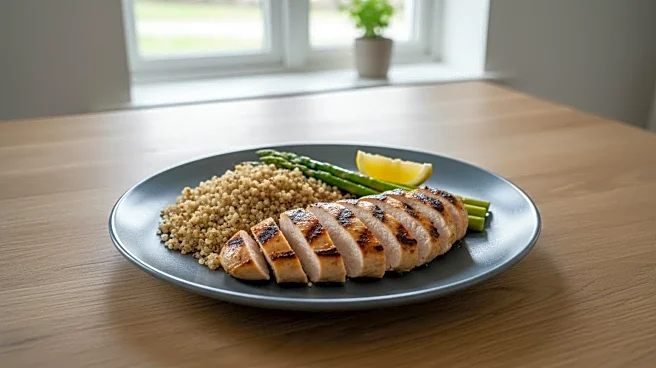
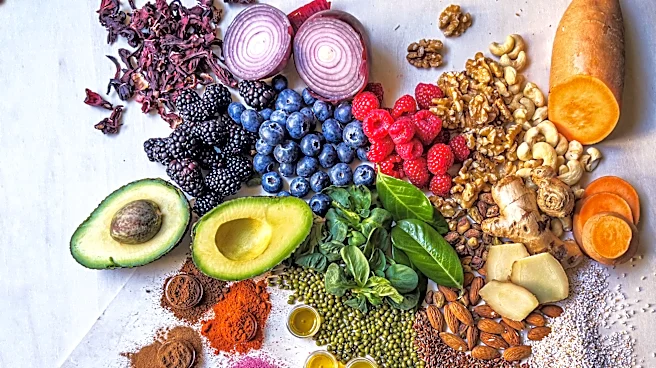
Replacing saturated fats, which include red meat, butter, cheese and fried foods, with unsaturated fats, which include olive oil, avocados, nuts and fish is the “most consistent dietary strategy,” said Jen Messer, a registered dietitian and president of the New Hampshire Academy of Nutrition and Dietetics.
A vegetarian and vegan diet rather than one that includes meat is also better for cholesterol.
“A comprehensive approach – combining low saturated fat intake with plenty of nuts, fiber, soy protein and plant-based foods – can lower LDL cholesterol by 30 to 40 mg/dL, which is a meaningful reduction,” said Young.
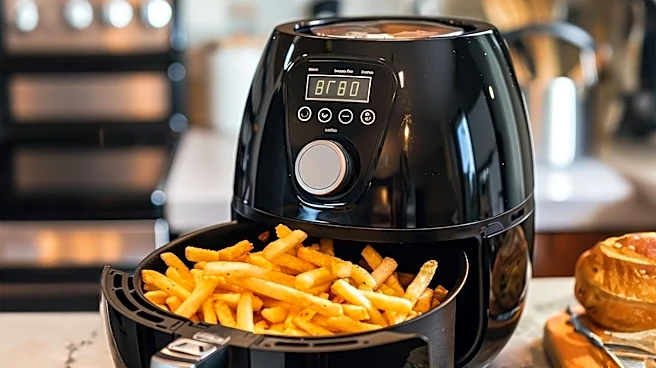
Foods to limit include sweetened drinks, alcohol, sodium, refined carbohydrates, full-fat dairy products, highly-processed foods and tropical oils, said Dr. Laxmi Mehta, cardiologist with Ohio State Wexner Medical Center. Trans fat and partially hydrogenated oils should also be avoided, she added.
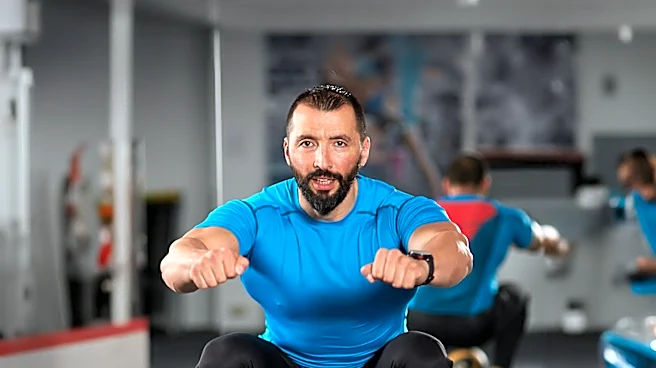
Changing your exercise routine can also help control cholesterol levels.
“It modestly raises HDL (good) cholesterol, lowers triglycerides, improves blood pressure, helps with weight management and directly protects the arteries,” she said. “Research has also shown that combining diet with regular aerobic exercise produces better cholesterol results than either one alone.”
She suggested at least 150 minutes per week of moderate-intensity exercise, mixed with some strength training.
This article originally appeared on USA TODAY: How to reduce cholesterol naturally