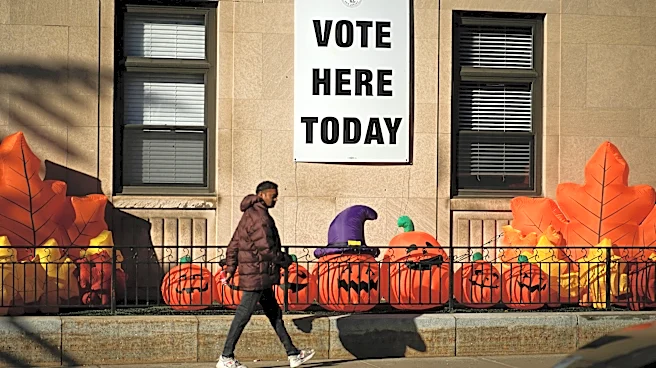



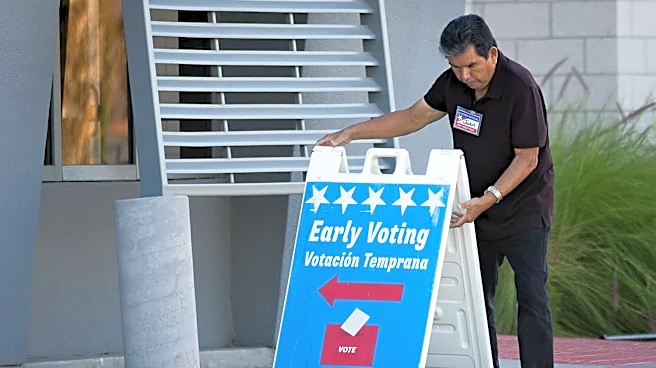

It has been said that news is the conversation of democracy. If so, the conversation that the establishment news media ha offered voters ahead of the midterm elections has been unhelpful, to say the least. Citizens will soon head to the ballot box, and in some states many have already voted early. Sadly, voters who rely on the media are underprepared to do their civic duty.
Midterm coverage has been dominated by "horse race" reporting. The media just can't let go of their obsession with polls. Reporters deliver breathless updates on a 1- or 2-point shift in a Senate race or ballot measure, as if such statistical noise actually matters.
It seems every news organization and a sizable batch of universities feel compelled to sponsor polls. More than
20 national polls saturate the news agenda, not to mention countless state and regional surveys. These polls do little to inform or explain, but that isn't really their purpose. Poll sponsorship is mostly a marketing and branding exercise for the outlets paying for them.
Polls give journalists something to talk about without having to dig for real stories. Poll coverage fills airtime and column inches with endless off-the-cuff analysis about as useful as the opinions of the guy at the end of the bar. It's lazy journalism, and it misleads news consumers into thinking polling data should somehow influence their decisions on Election Day.
Polls keep getting it wrong on elections

Then there is the question of accuracy. Citizens and political analysts have long questioned whether polls can truly take the temperature of the electorate. History is littered with polling whiffs, going back at least to Harry Truman's 1948 upset of Thomas Dewey. And every cycle, it seems, pollsters and pundits are shocked.
Just two years ago, many pollsters again underestimated Donald Trump's support in the presidential election. Still, the polling industry thrives, and the news media keeps lining up to kick Lucy's football.
It's worth asking whether the media's compulsive poll reporting is a sincere effort to capture public sentiment or an attempt to shape the outcome. Given the tendency of polls to overstate support for Democratic candidates, and the establishment media's left-of-center drift, the answer seems rather obvious.
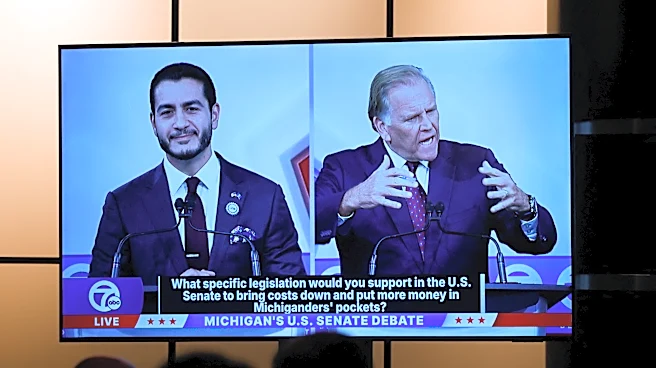
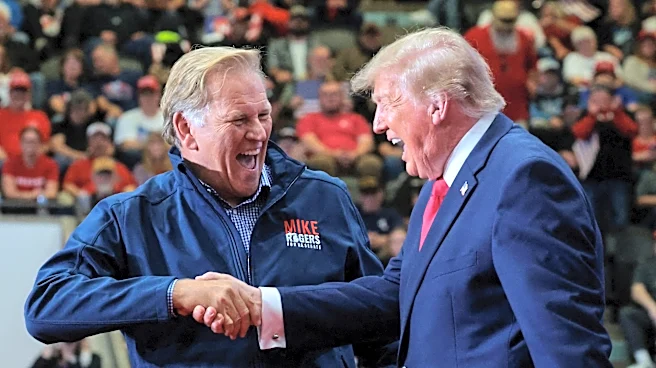
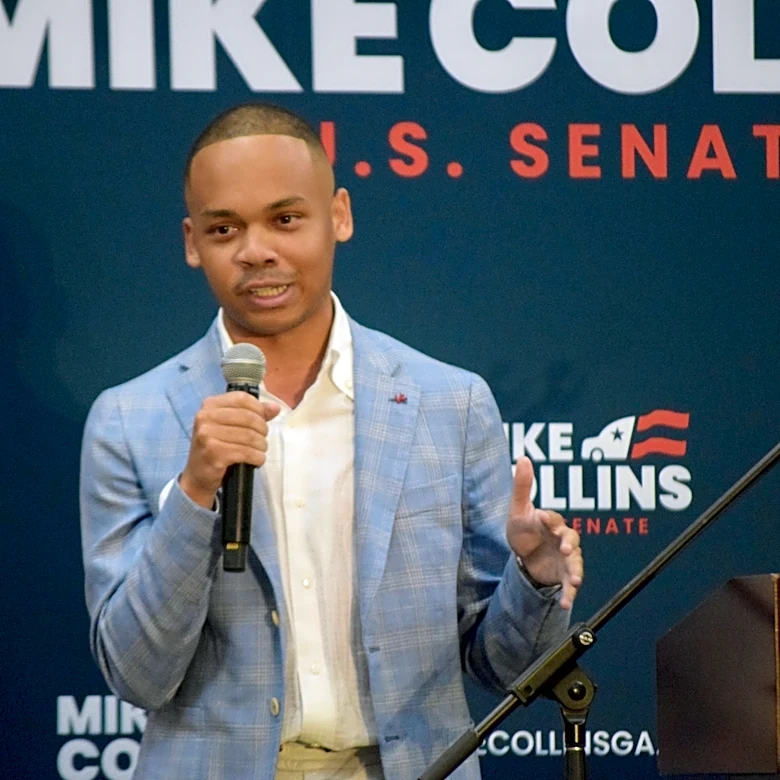
Beyond the onslaught of horse race reporting, the rest of the election news agenda is hardly more enlightening. Much of it fixates on the machinery of campaigns: fundraising, ad spending, candidate travel and celebrity endorsements.
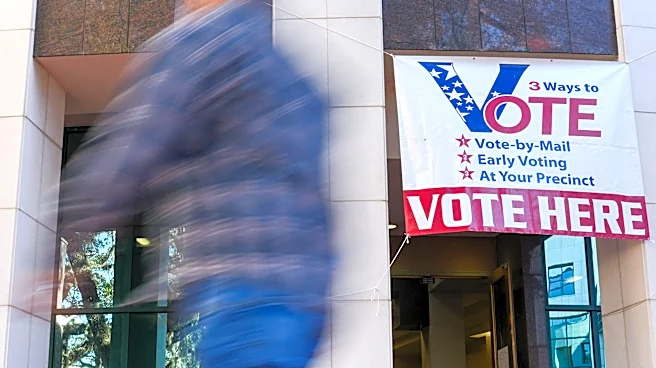
With early voting underway in many states, news outlets are haplessly trying to read the tea leaves of early turnout, as if those patterns should matter to people who have yet to vote. It's a fool's errand, of course.
As RealClearPolitics election analyst Sean Trende has explained, so many factors drive early voting behavior that the numbers reveal little.
Sound bite-friendly campaigns leave little room for real issues
All this campaign clutter leaves little time or space for substantive issues. The only ones that seem to get shouted about are "affordability" and gas prices, as though any Senate candidate in a swing state could do much about "pain at the pump."
Even those issues, important as they are, come with little context or perspective.
Voters are rightly concerned about affordability, but seldom do they hear reporting backed by hard data showing that inflation remains moderate compared with recent years, and that median income and poverty figures are favorable.
The news media's simplistic, formulaic election reporting leaves voters largely uninformed when they cast their ballots. As British writer G.K. Chesterton put it more than a century ago, "The simplification of anything is always sensational."
If there's one thing American politics doesn't need, it's more sensationalism.
Too many citizens will inevitably vote on predispositions, without a full picture of the candidates and issues. But that shouldn't be because the news industry failed in its duty as the public's surrogate.
Yet only about a third of Americans trust the news media to report fairly or in depth. And when journalism fails, voters are left to get their election information from social media rants or that guy at the end of the bar.
As Americans prepare to vote, the news media would do well to remember what Thomas Jefferson, fed up with the partisan press of his day, wrote in 1807: "The man who never looks into a newspaper is better informed than he who reads them; inasmuch as he who knows nothing is nearer to truth than he whose mind is filled with falsehoods and errors."
Voters deserve a press that proves Jefferson wrong.
Jeffrey M. McCall is a professor of communication at DePauw University. Follow him on X: @Prof_McCall
This article originally appeared on USA TODAY: America's poll-obsessed media is failing midterm voters | Opinion