


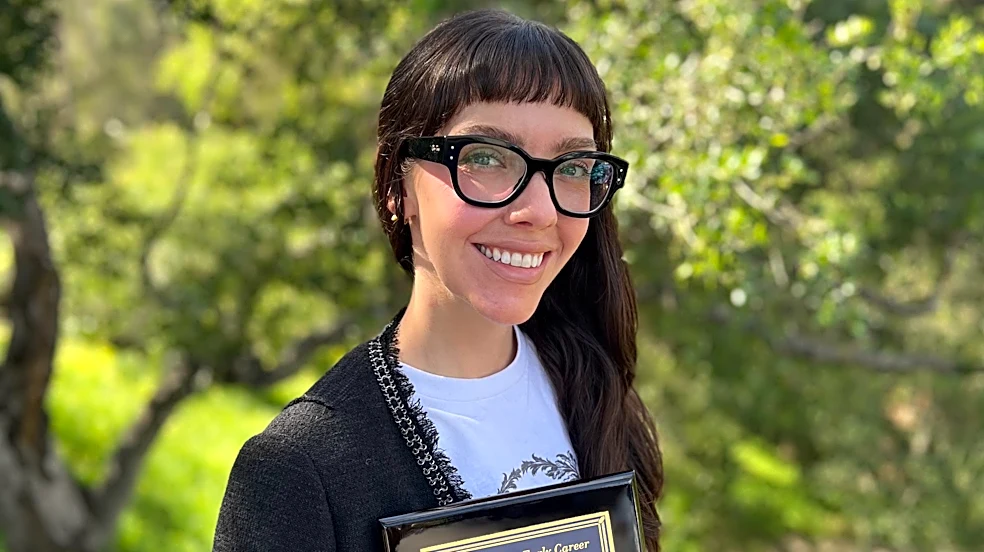

Peering at the turquoise blue waters near her home on Tutuila Island in American Samoa, Sabrina Suluai-Mahuka often thinks of her seafaring ancestors. Until recently, the ocean's constant ebb and flow also gave her hope for the next generation.
The Samoan people have relied on the ocean for centuries for their cultural identity, livelihoods and food. Now, Suluai-Mahuka and thousands of others fear the Trump administration’s push to extract minerals from the ocean floor could threaten the Samoan way of life.
By the end of the year, the Trump administration plans to auction nearly 100 million acres of Pacific Ocean seafloor near American Samoa and the Northern Marianas Islands.
The auctions, scheduled for November and December, would be the first-ever
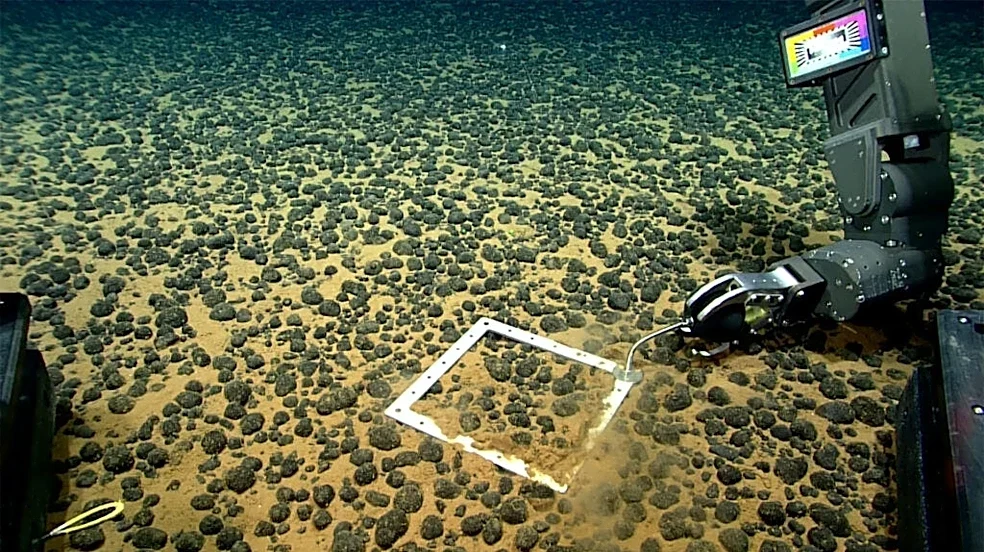
offshore mining leases in the world. The winning companies would be allowed to research and potentially extract potato-sized, mineral-rich rocks believed to contain nickel, cobalt, copper and manganese.

The Trump administration argues excavating metals off the ocean floor is a matter of national security. Domestic deep-sea mining, according to the administration, would allow the United States to decrease reliance on China for critical minerals used in batteries, electronics, defense technologies and data centers.
Environmentalists and islanders living in the Pacific territories oppose the move, arguing deep sea mining could cause irreparable harm to ecosystems and cascading consequences for humans.
Economists say the industry is technologically unproven, economically risky and unlikely to benefit American taxpayers.
To Suluai-Mahuka, the uncertainties outweigh any benefits.

“The health of our people, the health of our lives and oceans, really depend on whether this extractive industry moves forward,” said Suluai-Mahuka, who founded the nonprofit Finafinau in American Samoa to empower youth participation in environmental conservation.
The Bureau of Ocean Energy Management, the federal agency handling the lease sales, said in an emailed statement it "recognizes the ocean floor surrounding American Samoa carries cultural, economic, and environmental significance." The agency added it is guided by "science, environmental review" and engagement with the Samoan people.
An environmental gamble
On a recent expedition to the seafloor near American Samoa, the National Oceanic and Atmospheric Administration photographed colorful species of urchins, coral, sea cucumbers, crinoids and crustaceans.
Researchers on the expedition might have discovered new species. Scientists who travel deep into the ocean often do; humans have explored less than 0.001% of the sea floor.
The lack of knowledge is among deep-sea mining opponents’ biggest concerns.
“There's no way to really understand what the impacts will be or how bad they'll be,” said Elora Raymond, a spokesperson for Fa'asao Amerika Samoa, a group created to protect American Samoa’s culture.
“There's a lot of information that does not look good,” she said.

About 3.4 miles below the ocean surface, NOAA scientists found a bamboo whip coral believed to be hundreds of years old. It was sitting amid a field of polymetallic nodules, the small, hard rocks at the bottom of the ocean believed to contain critical minerals. Other dives revealed yellowish-pink anemone and iridescent urchin.
Scientists said they believe seabed extraction machinery would kill these and other organisms living on the rocks. One study conducted by researchers in the United Kingdom found 37% fewer animals in the tracks of deep-sea mining vehicles, compared with untouched areas.
Deep-sea corals and sponges, like those found by NOAA, grow only a few millimeters per year, meaning damage caused by mining could endure for decades. These animals produce unique chemicals that have been used to treat cancer. Scientists worry animals that could hold the key to diseases, including Alzheimer’s, might be killed before they’re discovered.
Sediment plumes and discharged waste created by mining activities could also ripple up the food chain, threatening animals, includingtuna and seabirds, according to researchers.
American Samoa’s economy depends on the tuna canning industry.
Earlier this year, Fa'asao Amerika Samoa filed a lawsuit seeking to block the Trump administration’s proposed lease sales. The group alleges the government failed to properly determine whether mining operations could harm endangered marine life.
While the 20-year leases would only authorize companies to conduct research and pilot tests, opponents argue it would be difficult for the U.S. government to cancel or refuse to renew those leases. Companies would need to go through more regulatory hurdles before commercially mining, but indigenous and environmental groups say companies would have momentum to push forward.
American Samoa Gov. Pulaali'i Nikolao Pula has also pushed back on the proposed sales, highlighting the “many unanswered questions” about its impacts on the territory's environment and economy. Thousands of people in the territories urged the administration to abandon the project in comment letters earlier this year.

The government, they say, is ignoring their opposition.
"For industry players, deep-sea mining is a lottery ticket. But for us, it's a gamble,” Raymond said. “It's a gamble that we definitely cannot afford.”
Hope or hype?
In 2019, venture capitalist Victor Vescovo became the first person to dive to the deepest point in all five of the world’s oceans. Like people in American Samoa, he’s against deep-sea mining, but not for environmental reasons; he doesn’t believe the economics add up.
“There's a lot of hope, and it's a lot of hype,” Vescovo said.
Deep-sea mining companies have not commercially tested the technology they say will lift minerals off the seafloor, according to a 2025 study published in Nature.

The Metals Company, one of the leading sea mining outfits, gathered 3,000 metric tons of polymetallic nodules from the ocean bed during a pilot test in 2022, a fraction of the 3 million to 20 million tons it has promised to collect yearly once commercial operations begin.
Dan Porras, a spokesperson for TMC, said the company is not planning to bid on the proposed lease sales off American Samoa or the Northern Marianas Islands. It’s pursuing a permit in the Clarion-Clipperton Zone through a separate controversial deep-sea mining pathway the Trump administration has created in international waters.
Companies that have expressed interest in the lease sale, including the American Ocean Minerals Corporation and Impossible Metals, have not tested prototype technology. Neither company responded to multiple requests for comment from USA TODAY.
“The companies that want to mine these nodules can make a lot of assumptions about whether or not it will be technically or economically feasible,” Vescovo said. “It's hard to say, ‘No, you're wrong,’ because no one's ever done it.”
He believes they’re underestimating the risk, difficulty and cost of operating 6,000 meters under the sea, where pressure is intense.

Vescovo and other analysts have argued deep-sea mining companies won’t be able to make enough money to warrant the high research and operation costs.
Nickel, cobalt, copper and manganese are excavated at terrestrial mines in the U.S. and abroad. Deep-sea mining companies would not be able to compete with the low prices those traditional operations offer, according to some analysts.
“If they had to sell the metals at market prices, I find it extremely doubtful they would be competitive. It would require massive government subsidies,” Vescovo said.
Fanming Zeng, an analyst who covers The Metals Company, said he believes companies would pay a higher price for a secure domestic supply of the metals, given concerns over tariffs and the outlook for international collaboration.
Checkered past
Leaders of some of the major deep-sea mining companies have controversial track records, adding to islanders’ anxiety.
In 2017, the U.S. Securities and Exchange Commission charged Tom Albanese, then-CEO of mining company Rio Tinto and the now chair of the American Ocean Minerals Corporation, with fraud for allegedly inflating the value of coal. Albanese and the company agreed to a settlement in 2023 requiring Rio Tinto to pay a $28 million fine and Albanese to pay a $50,000 penalty.
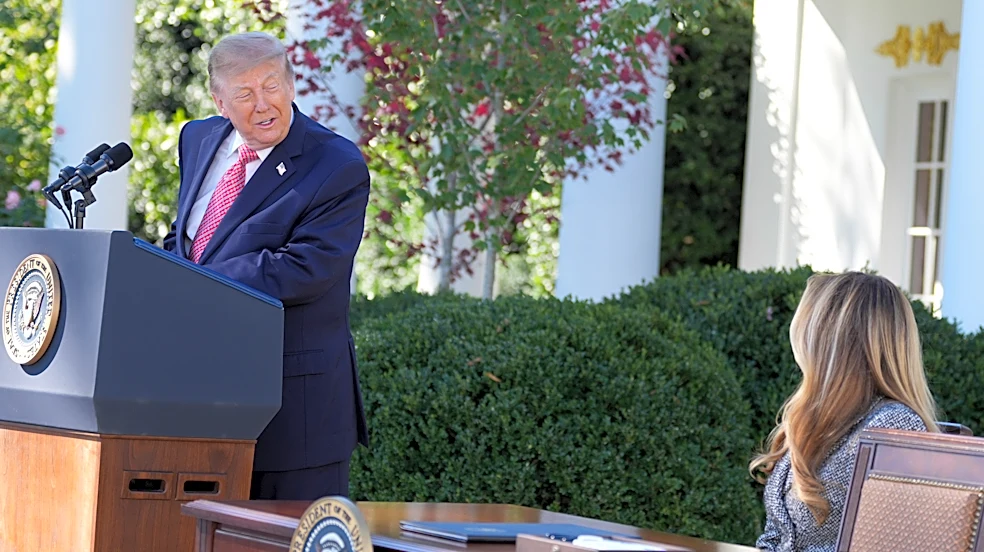
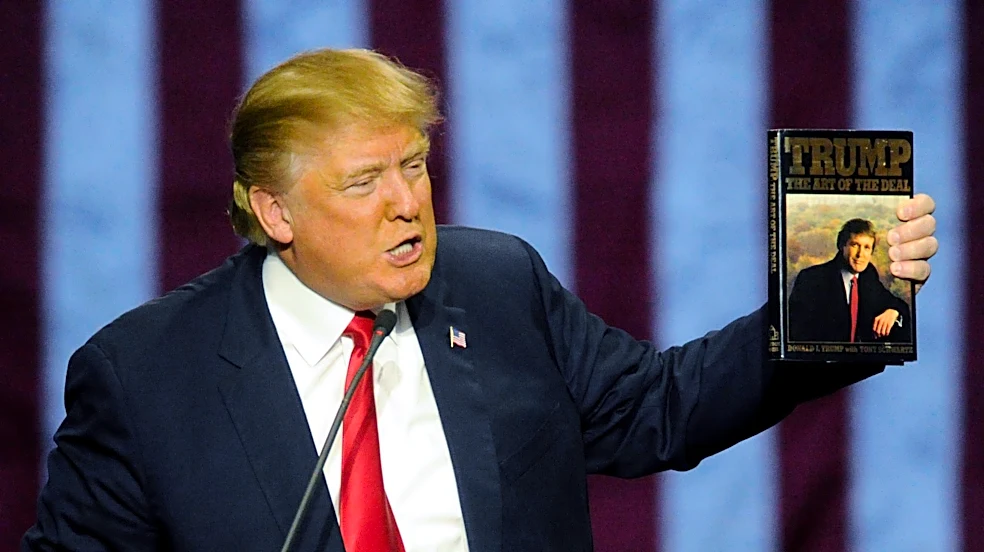
Albanese gifted President Donald Trump a solid gold replica of a deep-sea mineral nodule in August during a White House meeting, where the president announced investment initiatives in critical mineral projects.

Gerard Barron, CEO of The Metals Company, made tens of millions of dollars off a failed deep-sea mining project off the coast of Papua New Guinea, according to reporting from the Wall Street Journal. The country reportedly lost more than $120 million when the company went bankrupt. Papua New Guinea has since placed a moratorium on deep sea mining exploration. Barron has said he sold most of his stake before the country made its investment.
“Whether it succeeds or not, investors are willing to give them a try, and they're going to get well paid,” Vescovo said of current deep sea mining ventures.
Senate Democrats sent a letter to the Trump administration in July seeking information on any connections the Trump family and Commerce Secretary Howard Lutnick may have with critical minerals companies including The Metals Company and American Ocean Minerals Corporation.
A national security threat
Trump officials and industry officials argue deep-sea mining is a national security necessity. China controls the world's rare-earth mineral supply.
When Trump imposed widespread tariffs in 2025, China retaliated by restricting exports of rare earth elements, including for use in weapons development. The reduction in critical minerals has made it more difficult for arms manufacturers to rebuild U.S. military equipment amid shortages caused by the war in Iran.
The U.S. gets its supply of nickel, cobalt, copper and manganese from allies, including Canada and Norway, and domestic earth mining operations, though the international market is dominated by China and other adversaries.
Few processing facilities exist in the United States. Zeng, the mining analyst, said building out the infrastructure for critical mineral development, including refining plants, needs to start with mining for the materials.
Building domestic refining plants to support deep-sea mining could take decades.

Until then, any critical minerals mined in the ocean would likely still need to be sent to China for processing, said Taryn Kiekow Heimer, director of Ocean Energy at the Natural Resources Defense Council.
She, Vescovo and others have pushed for the United States to focus on building out rare element recycling efforts for shoring up supply.
“You can do anything, if you throw enough money at it,” Vescovo said of deep-sea mining. “The industry is saying, 'Yeah, throw money at us.'”
Islanders in the pacific territories are saying they want caution.
This article originally appeared on USA TODAY: Trump is auctioning the seafloor. Who will it benefit?