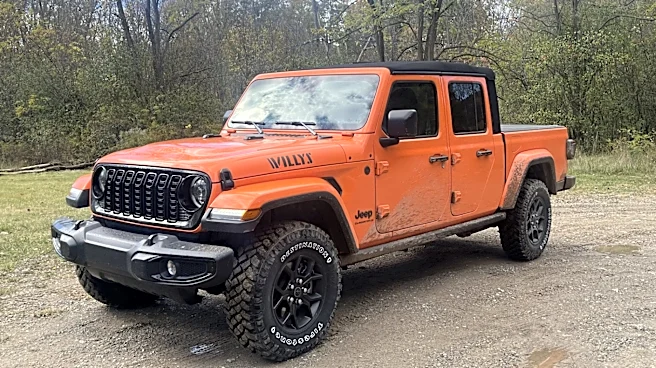




When you think of a sturdy vehicle driving through dirt and mud, brands such as Jeep or Land Rover come to mind. Even though most of these vehicles these days seem to be bound for regular roads, they are still built to be taken off-road and have special settings depending on the terrain. 4x4 trucks and SUVs have a separate shifter for the gears and another shifter for the differential. Here is what each driving mode in a 4x4 vehicle means.
What does each mode do and when should I use them?
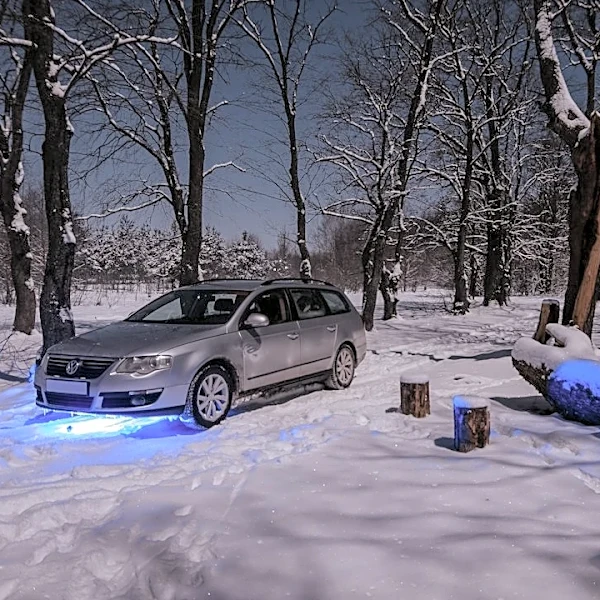
Standard mode is 2H or two-high. This mode will operate a vehicle in two-wheel drive that powers only the rear axle. 2H is suitable for normal paved roads and driving conditions. The next mode is 4H or 4-high. This will place the vehicle in four-wheel drive, which is the best option for driving on roads covered
in dirt, mud, sand or ice.
While every driver knows N stands for neutral, the N on the second shifter shouldn’t be mixed up with the regular neutral. This transfer case neutral setting will keep the vehicle in gear and will stop power from being sent to the wheels. This can be useful if you want to tow your vehicle on the back of a motorhome.
The most extreme mode of all is 4L or 4 low range. This is needed only for serious off-roading, rock crawling or when navigating heavy mud and snow.
Keenan Thompson is a car culture reporter for the Detroit Free Press. Contact Keenan at kthompson@freepress.com. Follow him on Instagram at @keenanautos. To sign up for our autos newsletter. Become a subscriber.
This article originally appeared on Detroit Free Press: If 2H is the standard way to drive my SUV, when do I need 4L mode?