




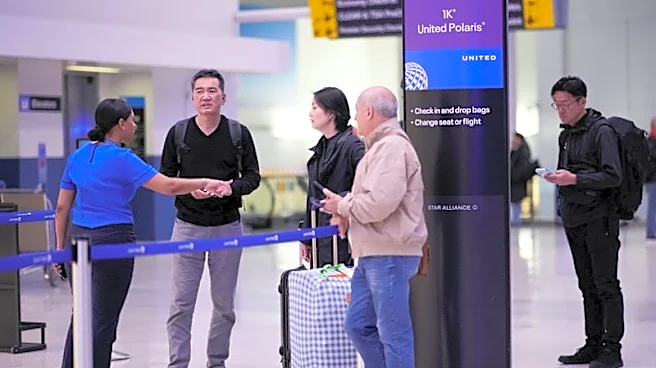
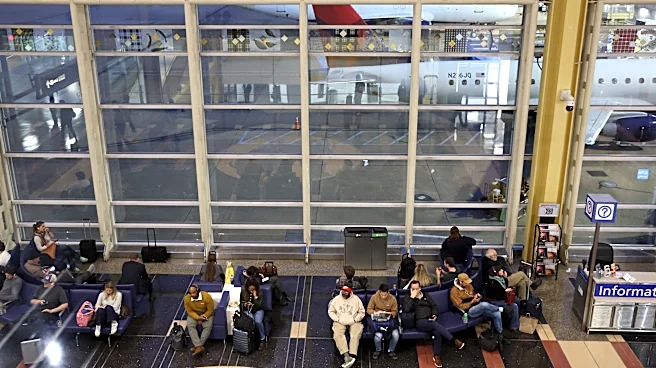
Friday’s nationwide ground stop stranded travelers, disrupted thousands of flights and raised questions about the technology underpinning U.S. aviation. For passengers resuming their journeys and those preparing to fly, the concern is straightforward: Could it happen again, and is the system safe?
Sheldon Jacobson, a computer science professor at the University of Illinois' Grainger College of Engineering who has studied aviation security and safety for more than 30 years, distinguishes between an unreliable travel day and an unsafe flight.
“Well, safety is number one, and that is good, and that's been preserved,” he said.
The Federal Aviation Administration's decision to halt departures was a protective measure. But the disruption exposed the difficulty
of replacing aging infrastructure while keeping the nation's air traffic moving.
What happened Friday?
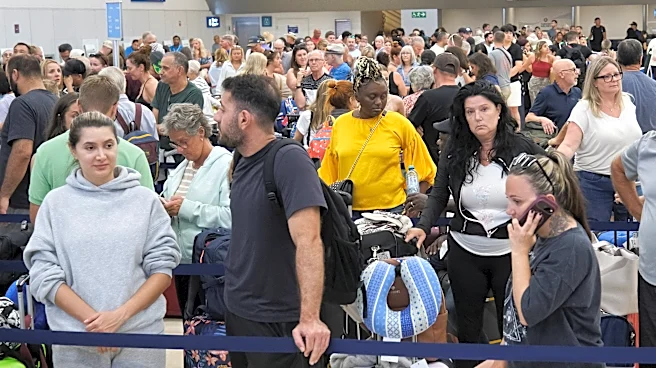
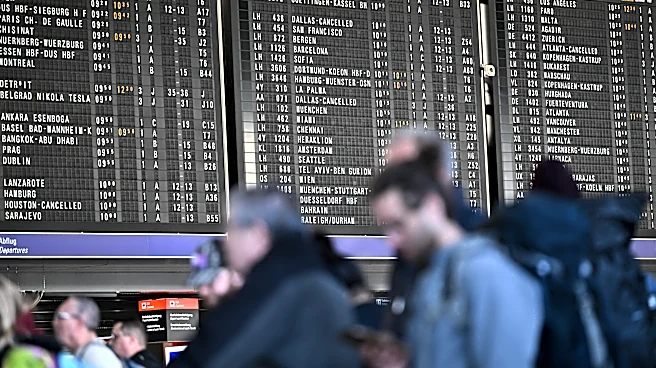
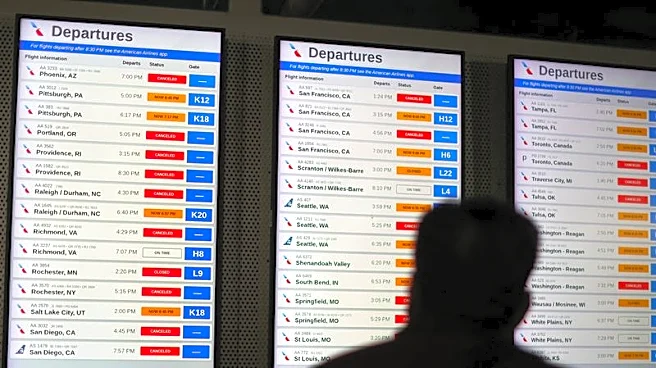
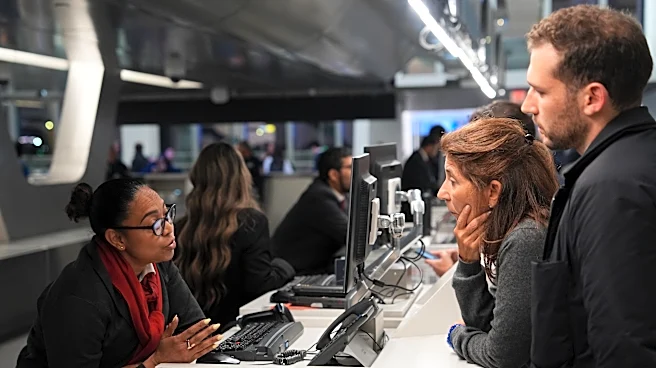
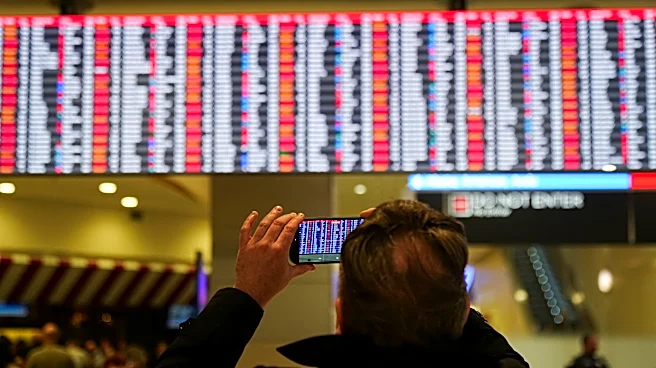
The FAA stopped departures nationwide Nov. 13 after communications problems affected air traffic control centers. The halt lasted a little over four hours, sending passengers searching for alternative transportation and leaving airlines with schedules to rebuild.
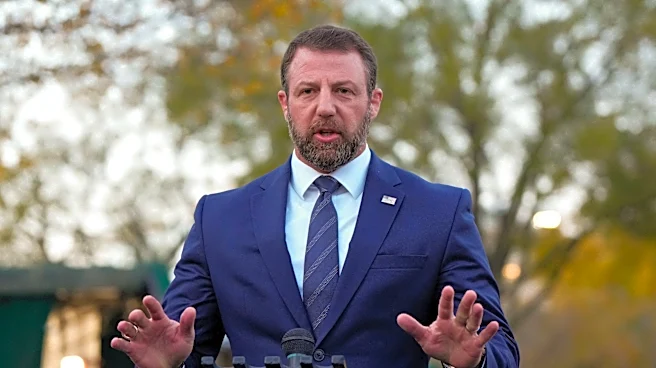
In a news conference late Friday, Transportation Secretary Sean Duffy said switches and routers in the older system became overloaded, resulting in inconsistent data. Homeland Security Secretary Markwayne Mullin said the telecommunications failure occurred while new technology and equipment were being introduced.
Watch Duffy's remarks below:
Jacobson interpreted those accounts as a compatibility problem: Newer digital systems may have delivered information faster than older infrastructure could handle. He stressed that this was his inference from officials’ descriptions, rather than an independently verified explanation.
"Suppose you have a fire hose flowing water and you're trying to feed it into a straw," he said. "Now, some of the water will get through, but a lot of it won't."
The order held departing aircraft on the ground. It did not direct every plane already airborne to land immediately.
How will the FAA operate going forward?
The FAA must continue managing flights while upgrading its infrastructure, a transition Jacobson described as particularly challenging.
Duffy said centers using digital IP systems did not experience the same issues. He requested $50 billion for upgrades, beyond the $12.5 billion Congress approved in 2025.
However, funding would not produce an immediate replacement. Equipment must be introduced and integrated while the existing network remains in use.
Jacobson questioned how that transition is being managed and whether older systems should be replaced more completely in individual areas. "It's the transition between the two that's causing the problems right now," he said.
The immediate challenge for airlines is recovery. More than 7,000 U.S. flights were delayed Friday, according to FlightAware, although not all those delays resulted from the ground stop. Duffy did not provide a firm timetable for normal schedules to return.
Will these problems happen again?
Jacobson expects further incidents while aging systems remain in service, though their timing and severity are unpredictable. Duffy said the same during the conference.
"There are going to be incidences, and we don't know when they're going to occur and how they're going to occur, but they are going to occur," he said.
That assessment does not establish that another nationwide ground stop is imminent. Earlier interruptions have affected smaller areas, while Friday’s shutdown was only the second nationwide departure halt since the Sept. 11 attacks. The other occurred in January 2023 after the FAA's pilot notification system failed.
Is it safe to fly right now?
"I would not be concerned about safety," Jacobson said.
He explained that reliable communication is essential to keeping aircraft safely separated. Restricting traffic when communication becomes unreliable reduces the risk rather than allowing operations to continue unchecked.
For travelers, that means safety precautions can still bring substantial inconvenience. Check flight status before leaving for the airport, monitor connecting flights and keep alternative arrangements in mind. Modernization will take time, and disruptions can outlast the initial outage.
Contributing: Sara Wire and Josh Rivera; USA TODAY
This article originally appeared on USA TODAY: Could another FAA ground stop be coming?