







Federal and state officials have confirmed the first detection of New World screwworm in U.S. wildlife after the flesh-eating parasite was identified in a hunter-harvested elk in West Texas. Separately, officials in New Mexico said they confirmed a case in a beef cow.
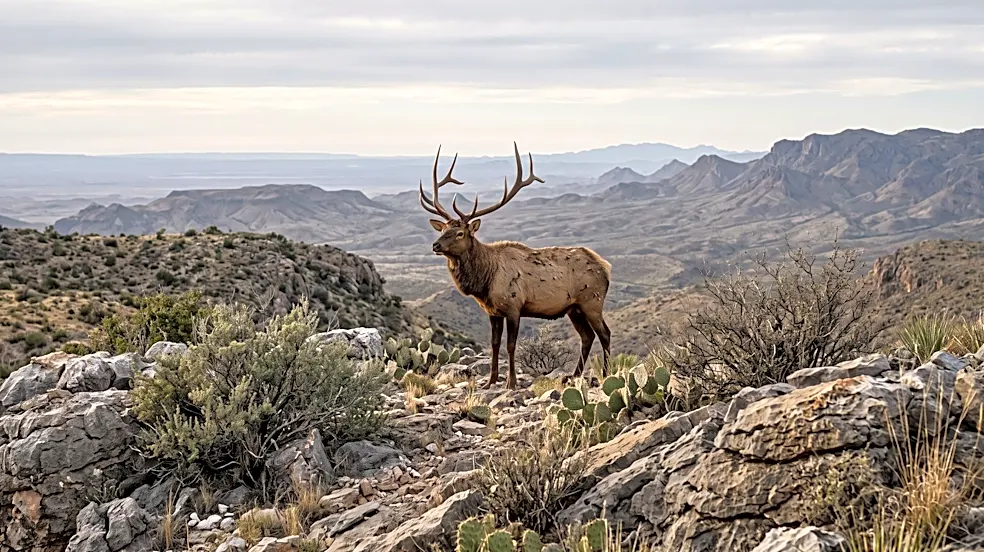
The U.S. Department of Agriculture and the Texas Parks and Wildlife Department announced on Oct. 21 that laboratory testing confirmed New World screwworm (NWS) larvae in a female elk harvested in Pecos County. The animal was located on a game ranch and reported by the hunter.
The detection marks the first known case of NWS in wildlife in the United States, according to the USDA's Animal and Plant Health Inspection Service.
"This detection highlights the critical role hunters, landowners,
outdoor enthusiasts, and wildlife professionals play in helping detect and stop the spread of NWS," the USDA said in a news release. "Early reporting is one of the most important tools we have to protect wildlife, livestock, and pets in the United States."
The Texas Animal Health Commission said it will modify a previously established infested zone in response to the discovery. Federal and state agencies are also conducting additional wildlife surveillance in the surrounding area to determine whether other animals have been affected.
The wildlife case comes as authorities track the northward spread of the parasite, which was eradicated from the United States decades ago. In recent years, it has surged north from Central America through Mexico.
The New Mexico Department of Agriculture also confirmed Oct. 21 that it identified a NWS case in a beef cow in the state's Otero County, where surveillance and trapping efforts have been expanded around the affected area.
As of Oct. 22, the USDA reported 61 NWS cases in animals across Texas and New Mexico. In June, the agency confirmed the presence of NWS in a 3-week-old Texas calf, the first known U.S. case in decades and the closest the parasite had come to reestablishing itself north of the Mexican border since its eradication in the 1960s.
Hunters urged to watch for signs of infestation
Texas wildlife officials are urging hunters to carefully inspect harvested animals during the fall hunting season and report any suspicious findings. The USDA said hunters are often among the first people to encounter infested wildlife and play a critical role in surveillance efforts.
"We encourage all hunters and landowners to be vigilant for signs of New World screwworm while they are out in the field this season," Texas Wildlife Division director Alan Cain said in a statement.
According to the Texas Parks and Wildlife Department, warning signs include animals displaying irritated or depressed behavior, loss of appetite, head shaking, isolation from other animals, a foul odor from wounds, and the presence of maggots in injuries. After a harvest, hunters are encouraged to inspect the eyes, ears, nose, mouth, genital areas, and any wounds on the animal for signs of infestation.
What is a screwworm fly?
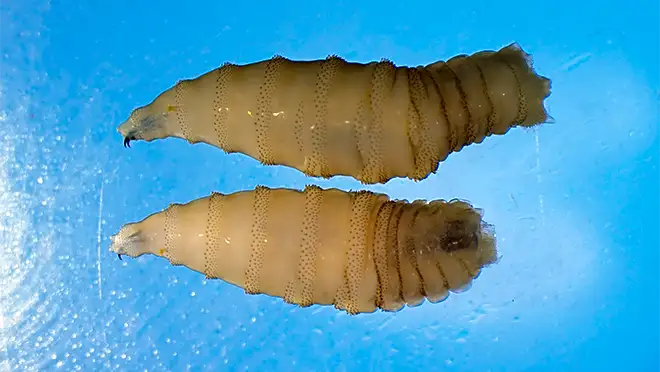
The NWS is a parasitic fly whose larvae feed on the living tissue of warm-blooded animals, according to the USDA. The pest can affect livestock, wildlife, pets, and in rare cases, people and birds.
Infestations begin when an adult female fly lays eggs in an open wound or body opening. After hatching, the larvae burrow into the wound and consume living tissue for about a week before dropping to the ground to pupate and eventually emerge as adult flies.
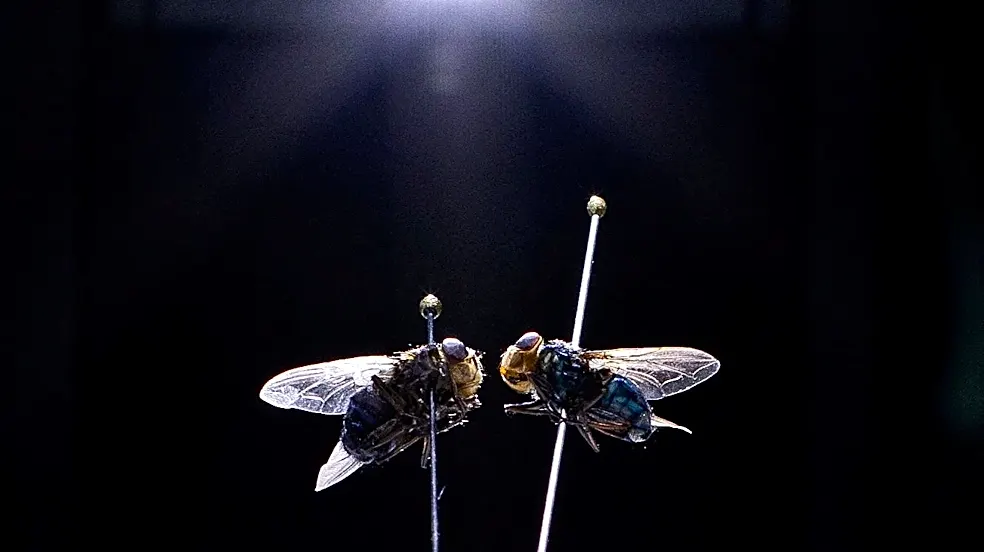
Adult NWS flies have metallic blue-green bodies, orange eyes, and three dark stripes across their backs. Animals infected with screwworms often develop enlarging wounds containing feeding maggots and may exhibit signs of pain, irritation, or weakness.
The pest was eradicated domestically through a long-running sterile fly program, but outbreaks in Central America and Mexico have raised fears that it could regain a foothold in North America.
To prevent its spread, the United States suspended livestock imports from Mexico for more than a year before resuming shipments through a phased reopening beginning in August. The import restrictions tightened cattle supplies in the United States and contributed to record-high beef prices.
Contributing: Mary Walrath-Holdridge, USA TODAY; Mateo Rosiles and Jeff Abbott, USA TODAY Network - Texas; Reuters
This article originally appeared on USA TODAY: First New World screwworm case confirmed in US wildlife