


"Coming Back" is a USA TODAY series spotlighting destinations that are ready to welcome visitors in the aftermath of hardship.
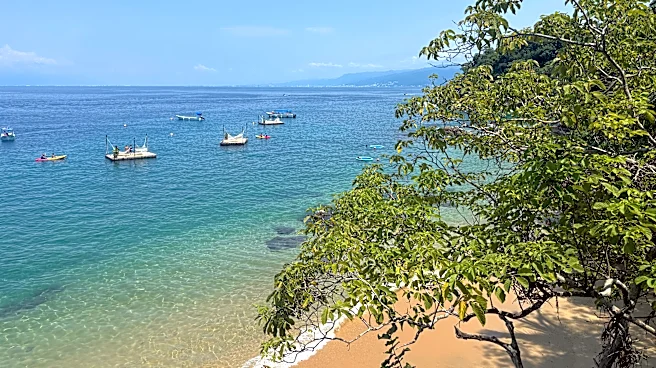
PUERTO VALLARTA, Mexico — Mexico's Pacific coastline lives up to what travelers hope for on a beach vacation. On a recent visit to the secluded Las Caletas beach in Puerto Vallarta, the water was not only warm but crystal-clear, and the sand was soft to the touch. Against the jungle backdrop, the day was picture-perfect. It was unusually sparse, with only a few loungers occupied and not many others on the boat ride over.
That's partially because it's still low season in Mexico due to the humid weather and potential for storms. Another reason is that tourists are just beginning to return after a day of civil unrest between
law enforcement and a cartel in February left many people wondering if Mexico was safe to visit.
On Feb. 22, Nemesio Rubén Oseguera Cervantes, who led Cartel de Jalisco Nueva Generación and was known as El Mencho, was killed during a Mexican military operation. The announcement of his death sparked violence throughout Puerto Vallarta, temporarily halting airport operations and leading to the U.S. State Department to issue a warning for Americans across Mexico to "shelter in place."
More in this series:
For around 24 hours, the cartel blocked roads and burned down cars, even some businesses, although no people or resorts were targeted. The next day, Mexican President Claudia Sheinbaum Pardo said the situation "calmed down." Still, news and images of the chaos sent shockwaves through the U.S., especially on social media.
In the immediate aftermath, the city saw a drastic drop in travelers, many canceling their upcoming trips out of safety concerns, according to the Puerto Vallarta Tourism Board. For the nearly 80% of Puerto Vallarta's residents who rely on tourism for their paycheck, their income came to a screeching halt.

"In Puerto, we don’t have any other thing except tourism, no factories, no cattle, nothing, just tourists," said Bernando Sanchez, a tour guide for Vallarta Food Tours. "It was just like COVID."
Travelers have long flocked to Jalisco's Puerto Vallarta for its stunning nature and vibrant metropolitan energy. In 2022, Puerto Vallarta International Airport was the fourth-busiest Mexican airport for international arrivals, following behind Cancun, Mexico City and Los Cabos, according to Bank of Mexico data.
Now, about seven months later — at the cusp of high season — tourism is showing signs of recovery. Hotel occupancy in July and August 2026 was just 3% below last year. Tourism officials are confident visitor levels could return to normal by winter.
"There was a momentary impact, as it was an isolated incident, and those familiar with Puerto Vallarta know it to be a safe and tranquil destination," said Luis Villaseñor, the tourism board's director.
The impact of the military operation
Puerto Vallarta tour guide Tatiana Meneses Sanchez remembers the Sunday morning of the protest. She was deciding on breakfast with her partner while texting a customer about a private city tour for that week. Suddenly, her phone flooded with "dystopian messages" of burning cars and buses from friends and on her social media feeds.
"That Sunday, the most iconic and important places of Puerto Vallarta were on fire," she said. "I was shocked, angry, and sad."
The crime group burned convenience stores and other offices in the city's Romantic Zone, known for its thriving LGBTQ+ scene. No one was hurt or killed, but she said there was an "indescribable feeling of fear."

Sanchez said tourists immediately disappeared and since then, some businesses have been forced to close or sell.
For decades, the city has been considered a West Coast alternative to Cancun, beloved for its beautiful beaches and jungles. LGBTQ+ travelers have especially favored the city's inclusiveness, and people are drawn to its emerging food scene with culinary festivals featuring celebrity chefs, wine tastings and more.
Over the last seven months, Villaseñor said the Puerto Vallarta Tourism Board has worked to dispel public misconceptions about insecurity, including through travel planner meetings. Some of the first travelers to return were those who came to celebrate Vallarta Pride in late May.
Villaseñor said the city is grateful for the tourists and locals who have posted on social media about their experience in Puerto Vallarta to help others see that it's safe to visit again. He also added that rising airfare and inflation in the U.S. have contributed to the slowdown.
But the February incident impacted more than just Jalisco. Fears extended to the neighboring state of Nayarit, which shares Banderas Bay with Jalisco and is home to several charming seaside towns like Sayulita. Right after the event, the charming surf town of Sayulita saw a sharp drop in visitors, and hotel capacity fell to almost 10%, according to Sanchez, who guides food tours.

Sayulita is just beginning to bustle once again. In September, the main beach is crowded, and travelers are popping in and out of local boutiques and restaurants. It's not peak tourist season yet, so more people are expected as the weather cools down.
Tourism's role in Mexico
Americans make up the largest demographic of travelers to Mexico, thanks to its easy access from the U.S., affordability and warm climate. In June 2026 alone, Mexico was the busiest international air travel market, with 3.3 million passengers traveling between the two countries, though that was lower than the previous June.
Mexico's heavy dependence on tourism is by design. In the 1940s, the former fishing village Acapulco became the country's first tourist destination for American celebrities to vacation. Shortly after, the Mexican government developed a tourism plan to survey and transform some of its cities into resort destinations to boost the economy. In 2001, efforts expanded with the government's launch of the Pueblos Mágicos (Magical Towns) initiative, meant to encourage travelers to visit 132 designated towns within proximity to major resort areas for their rich cultural traditions and history.
Mexico continues full steam ahead with tourism as a major economic driver. By 2030, the country hopes to be the fifth-most visited country in the world, said President Pardo in a Feb. 26 news conference. It's on track, welcoming 98.2 million visitors in 2025.
Puerto Vallarta still plays an important role in that growth, and its residents feel confident the city will get back on its feet by the end of the year. Last month, Governor of Jalisco Pablo Lemus announced Puerto Vallarta was chosen to be the country's new cruise homeport, with construction slated for 2027.
For now, the city only looks forward. For travelers on the fence about returning to the destination, Sanchez's words of advice are: "The only way to find that answer is just coming."
Tips
- Explore the region. It's easy to travel around Jalisco and Nayarit. You can stay in Puerto Vallarta and visit Sayulita for the day to support other local businesses. In Punta Mita, which is in Nayarit, I stayed at Marival Distinct Luxury Residences and World Spa and then at Armony Marival Resort & Spa Punta de Mita. Sayulita was a 30-minute drive.
- Don't forget to tip. Tipping is customary in Mexico. Since most residents in Puerto Vallarta work in tourism, it's thoughtful tip them for their work even at an all-inclusive resort where you may not think about it.
- Go adventure. While you can just lie on the beach or by the pool, consider booking an excursion with a local tour guide or company like Vallarta Adventures, which takes guests by boat to different snorkel spots and beaches, such as Marietas Islands or Las Caletas. This way, your money can support beyond just the hotel.
The reporter on this story received access from the Puerto Vallarta Tourism Board and the State of Nayarit Ministry of Tourism. USA TODAY maintains editorial control of content.
Kathleen Wong is a consumer travel reporter for USA TODAY. She's the author of "The Conscious Traveller Hawai'i" and is based in Hawaii.
This article originally appeared on USA TODAY: Is Puerto Vallarta safe to visit now? What travelers should know