




This data center debate has a familiar ring to it, does it not?
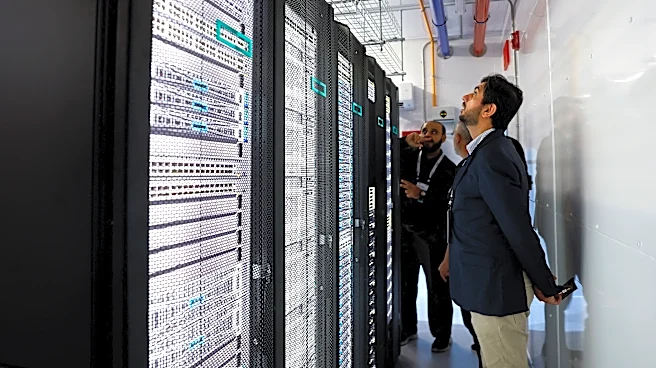
We can debate whether a data center built by Meta in Idaho will ultimately return more water than it uses. We can point out that golf courses and almond farms consume more water than data centers do. We can argue that the electricity these complexes demand siphons resources away from communities, then turn around and tally the tax revenue and infrastructure funding those same communities collect in return. We can note that data centers tend to land in poorer places – except, of course, when they land in Loudoun County, Virginia, one of the richest counties in the country.
And to be clear, some of these concerns are legitimate. Data centers consume enormous amounts of electricity,
require significant water resources, receive generous tax incentives and can change communities dramatically. But those facts don't fully explain the intensity of the backlash.
Data center construction has been a genuine boost to U.S. economic growth these past few years, generating construction and manufacturing jobs that otherwise might not exist. And thanks to artificial intelligence, and the data centers needed to power it, the stock market – driven by the likes of Nvidia, Microsoft, Google and Meta – has skyrocketed, minting vast fortunes along the way.
It's the billionaires, stupid

Aha! Now I see what all the fuss is about.
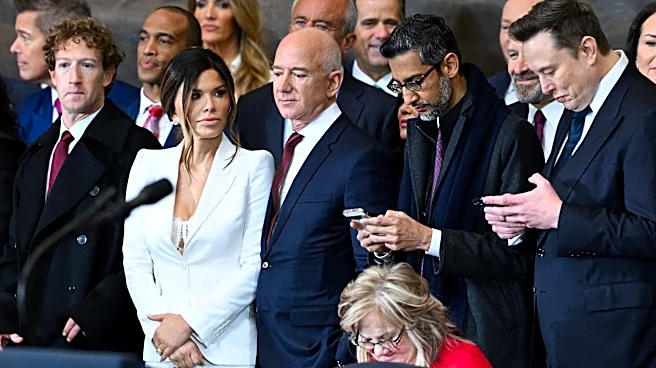
Wealth. Inequality. Them vs. us. The rich vs. the poor. Isn't this what it's always about? It's not just the environment or communities. Data centers are built by big technology firms, and those firms are personified by some of the richest people on Earth: Elon Musk. Jeff Bezos. Mark Zuckerberg.
Those rich guys are the top 1%. They're billionaires. We hate billionaires! And now add Donald Trump to the mix.
"The only reason that communities throughout the U.S.A. should not want Data Centers is if they want to end up being backwards and poor," President Trump posted recently to Truth Social. "If they want to be successful and rich, with far lower taxes and jobs all over the place, let Data Reign."
His administration has enthusiastically embraced artificial intelligence, deregulation and the billionaires building this infrastructure. For people already suspicious of all three, a data center becomes an especially inviting target.
The dots are connected.
Who's actually protesting data centers?
Who is behind all of these protests? Let's see.
A recent Gallup poll found that 75% of Democrats oppose data centers, with women in the majority of those who strongly oppose. Of the 15 states that have, or are considering, legislation curtailing or banning data center construction, most are either "blue" or lean left.
Anti-data center politics is becoming a form of populism that crosses ideological lines. The left distrusts Trump, billionaires and corporations. So, increasingly, does some of the right.
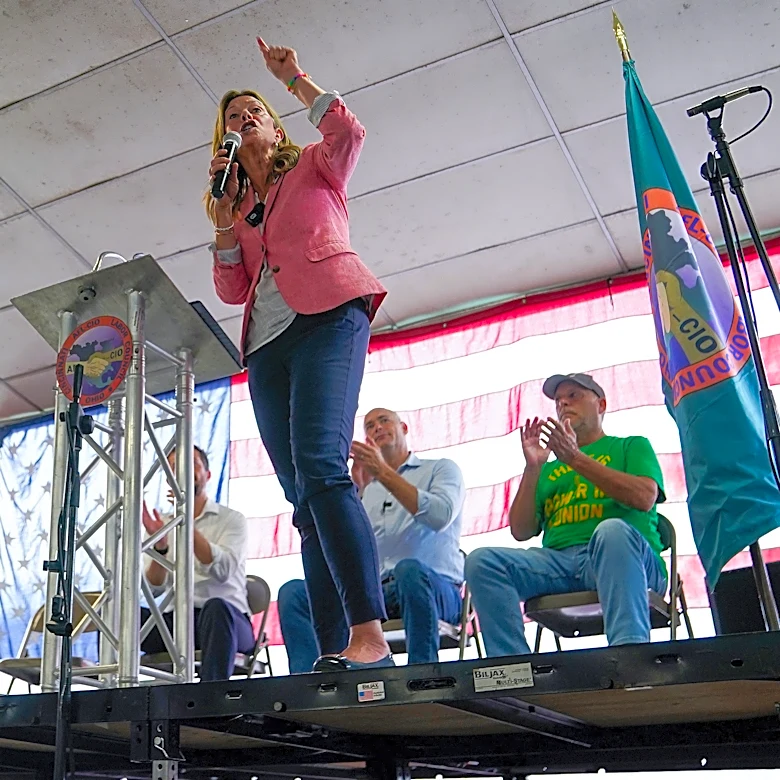
Going back to his first administration, Trump's opponents have protested nearly everything he's done. That opposition has helped put a small but vocal socialist wing in the national spotlight. These politicians, and the people who vote for them, oppose data centers.
They also want greater public ownership, stronger taxation of wealth and less corporate control over essential industries. They detest billionaires. And that's what this is about.
You can make fun of their youth, ignorance, inexperience and lack of historical context. You can laugh at the contradictions: their heavy use of iPhones, Netflix and ChatGPT – and the rest of the technology stack powered by the very data centers they're protesting – set against their obliviousness to how that impact compares with, say, the water used to raise the chickens in their Chick-fil-A sandwich.
There is something undeniably odd about protesting the infrastructure behind AI while enthusiastically consuming AI, streaming video, cloud software and everything else that infrastructure makes possible.
Just as there's something conveniently overlooked in the fact that these companies employ hundreds of thousands of workers and pour countless millions into small businesses, charities and the communities around them.
Then again, you can be grateful for them. Because these opponents, as crazy as they can sometimes seem, aren't altogether wrong.
Data centers do have an environmental impact. They do disrupt communities. They do put money into the pockets of people who already have more than anyone could hope to spend.
Throughout history, protesters like them have helped end wars, clean up the environment and build a more inclusive society through laws, regulations and public pressure.
And we should be grateful that, thanks to the media attention and public awareness they've created, big tech companies are being held in check. State governments have responded with more scrutiny, laws and regulations. It's important to keep these companies and our politicians honest, and to protect those truly affected by the building of these complexes. Because of these opponents, data center operators are pushed to be as efficient and environmentally conscious as they can be. And that's a good thing.
But I'm not sure that's the whole motive. It's not just the environment or the plight of the farmer or the suburban community that hears an overnight hum. Something else is driving this conversation. It's politics. It's the political left's dissatisfaction with its current situation. The protest over data centers isn't really about the environment. It's just another reason to protest the people in power – the billionaires, including the billionaire in the White House.
Gene Marks is founder of The Marks Group, a small-business consulting firm.
This article originally appeared on USA TODAY: Data center backlash isn't about water. It's about billionaires. | Opinion