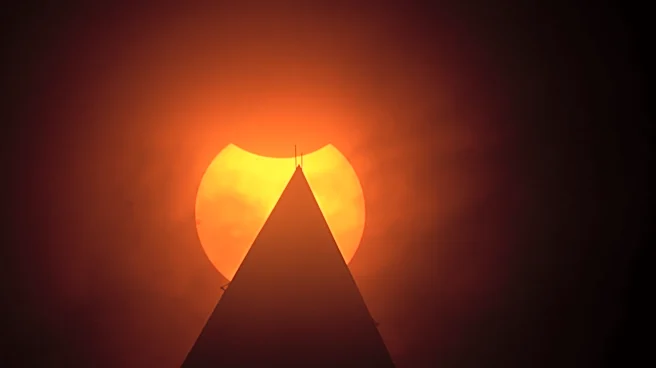




Asolar eclipse makes its celestial debut on Wednesday, Aug. 12 but most Americans won't get a front-row seat.
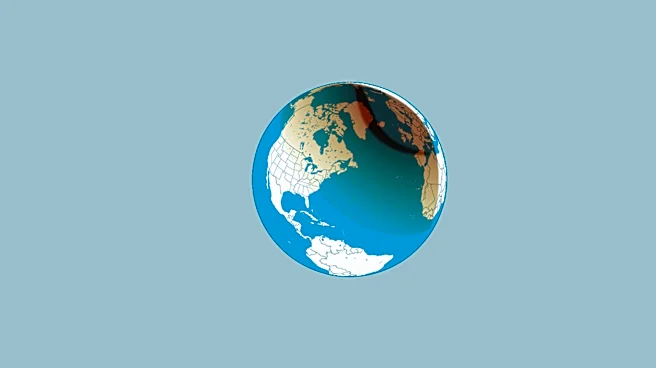
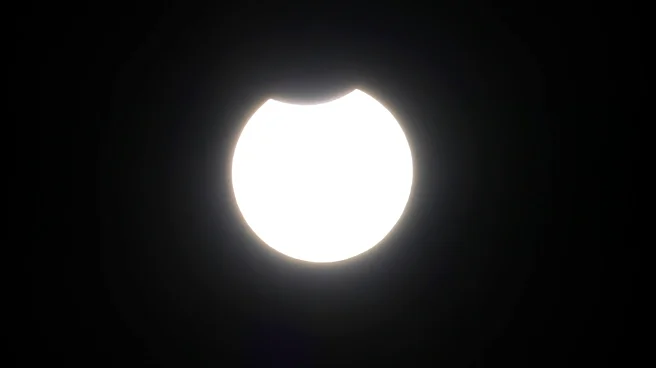
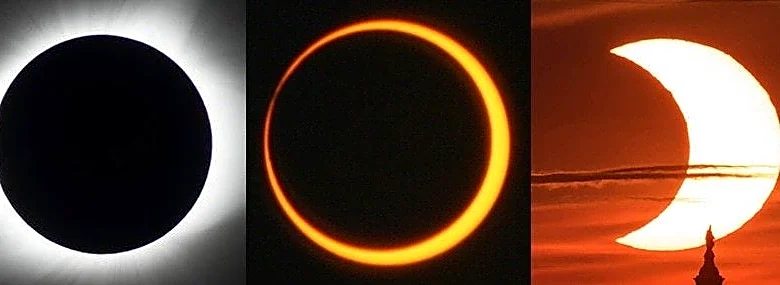
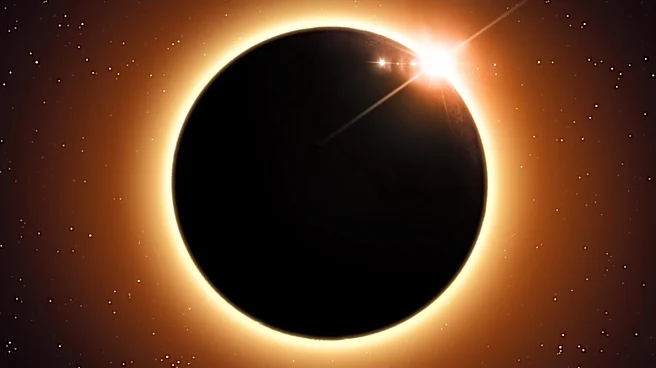
While people in parts of theNortheast, Midwest and Alaska will see the moon partially covering the sun, 23 states fall completely outside the eclipse's viewing zone, according to NASA. The event's path of totality, where the sun is fully blocked, will occur overseas.
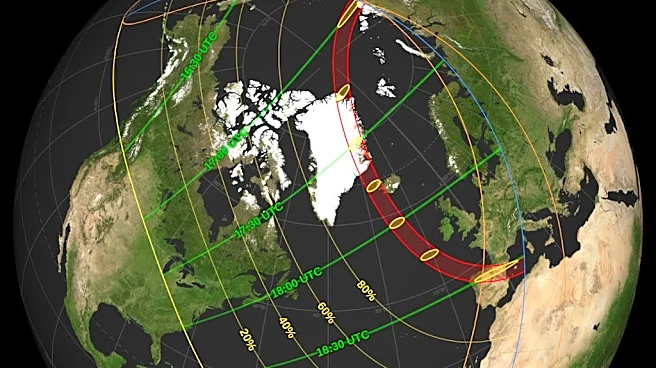
The total eclipse will cross Greenland, Iceland, northern Russia, Spain and part of Portugal, while a partial eclipse will be visible across portions of the northern U.S., Canada, Europe and northwestern Africa.
Here's what to know about the eclipse, including where it will be visible and when to watch.

Why the U.S. is missing this solar eclipse
Most
Americans will miss Wednesday's solar eclipse because the event's path of totality falls far from the United States.
According to NASA, the Aug. 12 total solar eclipse will be fully visible across parts of Greenland, Iceland, Spain, Portugal and northern Russia, with the best views stretching across portions of Europe and northwestern Africa. In the U.S., only a partial eclipse will be visible, and only in parts of the Northeast, Midwest and Alaska.
The eclipse begins around 11:34 a.m. ET and reaches its maximum point at approximately 1:46 p.m. ET. In Alaska, viewing times will occur much earlier in the day, while skywatchers from Montana to Maine can expect the moon to begin taking a bite out of the sun around midday.
For everyone else? The eclipse will pass by unnoticed, making it a rare celestial event that many Americans won't get the chance to see in person..
Will the solar eclipse be visible where you live?
If you live in one of the following states, or D.C., there's a chance you'll catch at least part of the eclipse, weather permitting:
- Alaska
- Connecticut
- Delaware
- Illinois
- Iowa
- Indiana
- Kentucky
- Maine
- Maryland
- Massachusetts
- Michigan
- Minnesota
- Montana
- New Hampshire
- New Jersey
- New York
- North Carolina
- North Dakota
- Ohio
- Pennsylvania
- Rhode Island
- South Dakota
- Vermont
- Virginia
- Washington, D.C.
- West Virginia
- Wisconsin
Contributing: Fernando Cervantes Jr., USA TODAY
This article originally appeared on USA TODAY: 23 states won't see Wednesday's solar eclipse, says NASA