





JERUSALEM − Eli Shtivi's son, Idan, comes to him in his dreams almost every night. Idan comes to him in the morning, too, pushing him to get up, to take action, to see himself as a man on a mission.
Shtivi is proving he does.
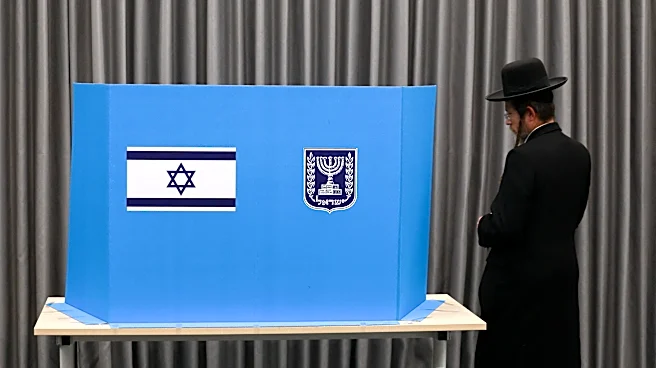
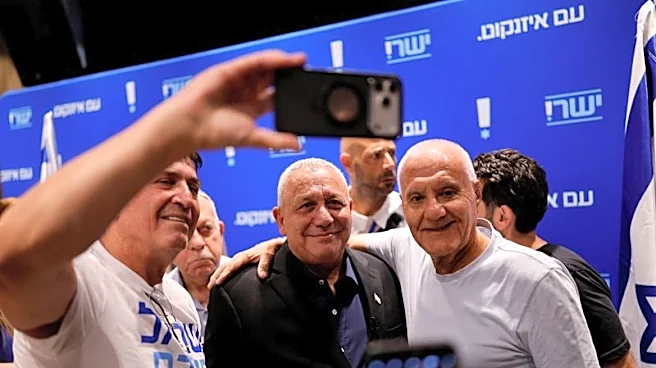
He is among a handful of relatives of Israelis killed or taken hostage by Hamas on Oct. 7, 2023, who are running for parliament in an election on Oct. 27 that many see as a defining moment for the Jewish state.
It is one that could shape Israel's future character and identity, while also helping heal the deep trauma inflicted on it by the deadliest attack in the country's history. Such is the importance of the vote that an estimated 80,000 Israelis from around the world, an unprecedented number, have flown home to cast a ballot.
"I want to correct injustices because I feel that this is my duty," Shtivi said. "That is what drives me and what led me into politics. I am not interested in honor, a seat, or anything else."
His son was mortally wounded by Hamas at the Nova music festival in southern Israel. He was then abducted to Gaza and lynched, a video of which Shtivi said he later viewed to get a fuller picture of his son's final moments. Idan Shtivi was 28 when he was killed. He loved animals and nature, and was an extreme-sports enthusiast, especially skiing. He could tackle difficult slopes. He wanted to work in environmental sustainability.
Many survivors and relatives of victims of the Oct. 7 attack have thrown their support behind parties trying to unseat Prime Minister Benjamin Netanyahu because they blame him for the security failings on that day. About 1,200 people were killed and 251 were taken back to Gaza as hostages. Forty hostages never made it back alive.
For three years, they have pressured Netanyahu to launch a formal state inquiry into the Oct. 7 security failures.

He's refused.
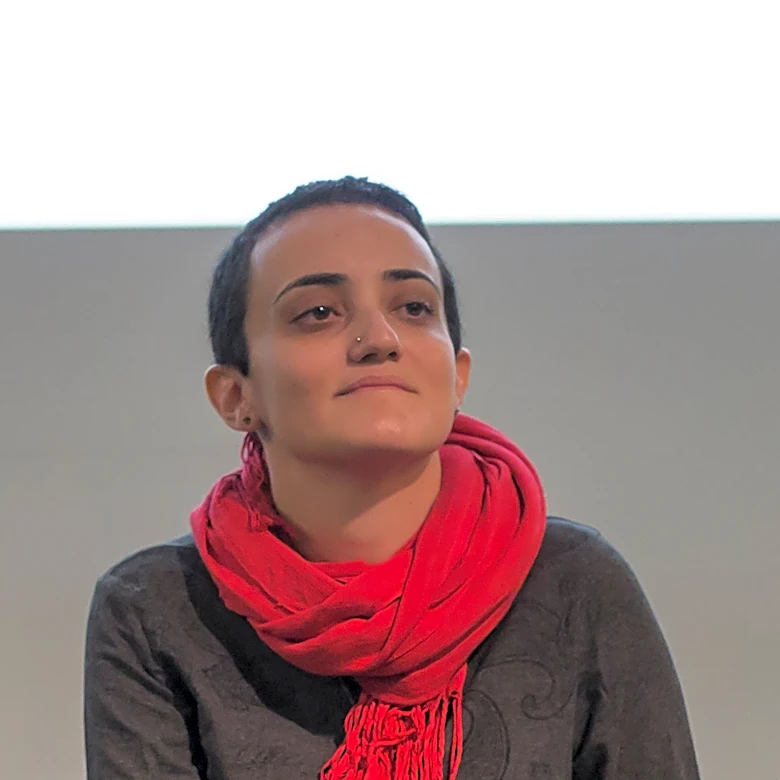
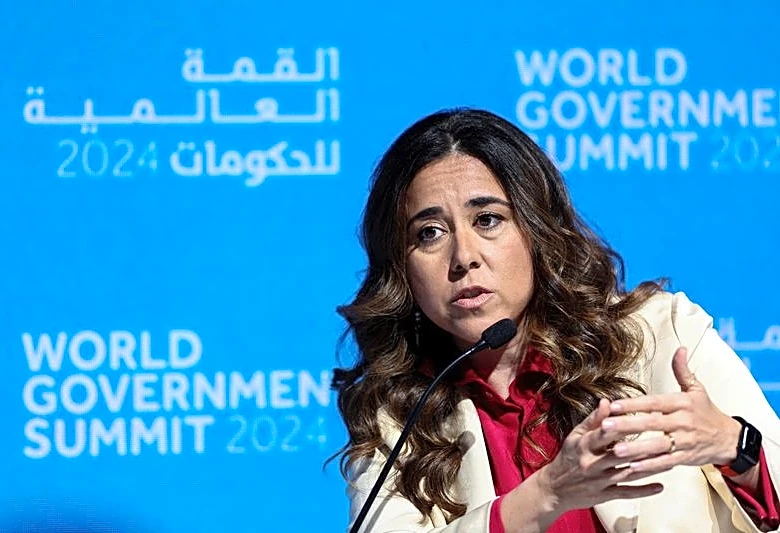
Critics accuse Netanyahu of fostering complacency within Israel’s formidable military, disregarding intelligence warnings from Egypt and the United Arab Emirates, and deliberately strengthening Hamas in Gaza to weaken Palestinian prospects for statehood. Netanyahu disputes this and says nothing could be further from the truth. He says that even an independent investigation into the attacks would be biased against him.
'Protect the state of Israel'
Shtivi has decided he's willing to overlook that.
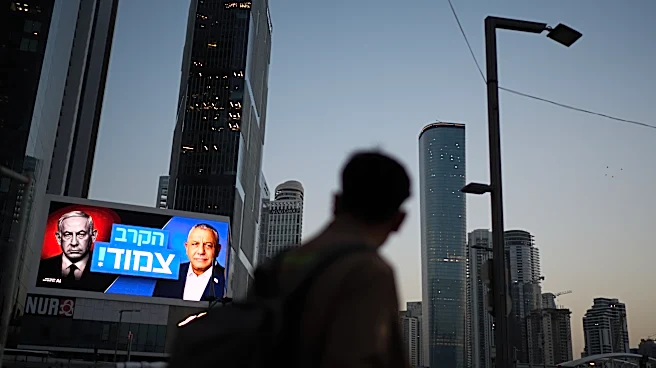
He's running as a candidate for Likud, Netanyahu's right-wing party. He is unlikely to win enough support to enter the Knesset, Israel's parliament, but he hopes that if Israel's longest-serving prime minister finds a route back to power − neither of the main political blocs are projected to win the 61 seats required to form a majority government − there might be a role for him in public diplomacy, perhaps "explaining Israel's position" to the world.
"At times, I did speak out against Netanyahu on the issue of the hostages," Shtivi said, adding that he changed his mind about Netanyahu after he had a three-hour, one-to-one meeting with him.
"There, I came to understand the bigger picture. I understood that what we needed to do was protect the state of Israel while fighting to bring the hostages home alive," he said, without elaborating on what they spoke about.
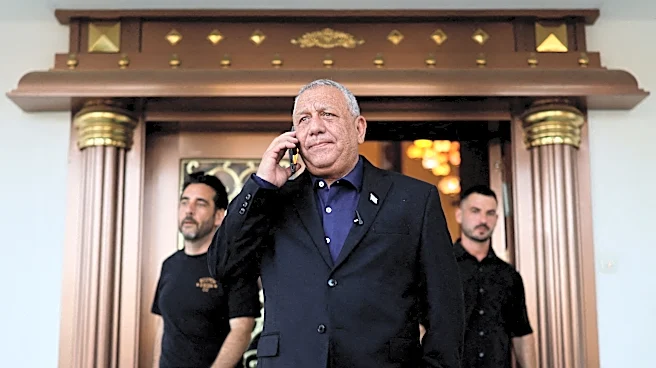
Talik Gvili, whose son Ran was killed by Hamas and abducted to Gaza, also doesn't see replacing Netanyahu with someone like Gadi Eisenkot, a former Israel Defense Forces chief of staff, as the right way forward.
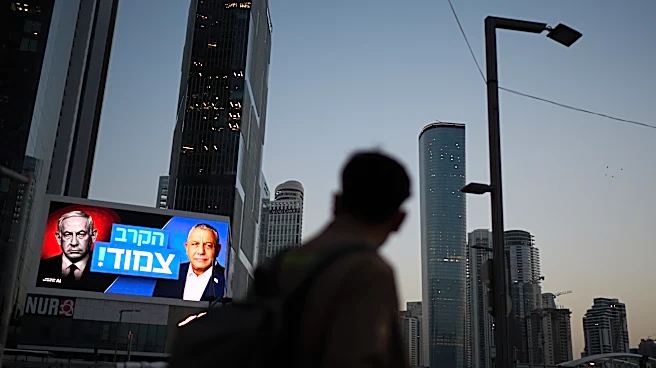
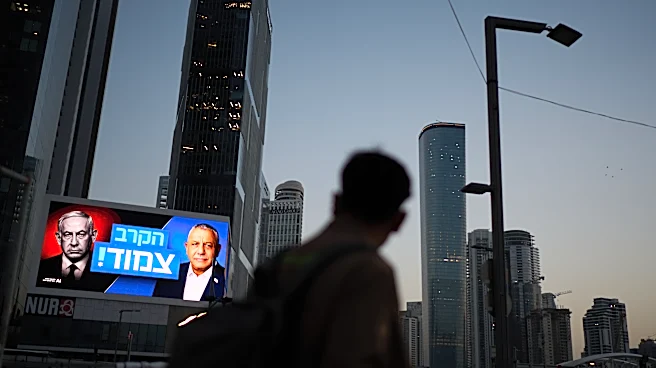
Final polls published ahead of the vote showed that two prospective coalition blocs, led by Netanyahu on one side and Eisenkot on the other, are effectively tied. It could take weeks or months for Israel to form a new government.
Ran Gvili was a police officer and motorcycle enthusiast who was on medical leave recovering from shoulder surgery when he was killed. He was the last Israeli hostage whose remains were recovered from Gaza.
He was 24.
"He fought until the last bullet and then he was taken hostage," his mother said when his remains were repatriated.
"I am continuing the mission Rani was on. He went to defend Israel," she said in a recent party campaign video that mentioned her son.
"I want a strong leader, someone I can count on," she said of Netanyahu. "He promised to bring Rani home and he did. He promised to make a change in the Middle East and he did."
Gvili, like Shtivi, is a Likud party candidate.
Decision to run
At least nine candidates with personal ties to the Oct. 7 attacks are running in Israel’s Oct. 27 election, according to Israeli media and a manual USA TODAY count. Their stories are marked by loss, captivity and frantic efforts to save loved ones. All are committed to helping Israel heal, though they are deeply divided over who should lead its recovery.
"I think they want to try to make a change from inside," said Shai Wenkert, whose son Omer lost almost 70 pounds while in Hamas captivity. He was freed in February 2025 after spending 505 days in Gaza as a hostage.
"Hostage families like ours met a lot of people over the last three years. The ones running for office aren't professional politicians. They're coming from the people. But they know something that can be useful."
Ruby Chen, whose 19-year-old son Itay was killed defending civilians near Gaza, understands that impulse. Itay was the youngest American hostage held in Gaza, and his body was the last to be returned to Israel.
Chen also questioned why hostage families would choose to run in Israel's election.
"It's too close to what happened," he said. "When you look at politics, not just in Israel, but in Western societies, it's become more of a beauty contest or a reality TV show. Once upon a time being a politician was a profession."
He said that Israel will not be able to fully get past the Oct. 7 atrocities until the nation's political leadership takes responsibility for what happened and provides the families with answers about what went wrong.
"If you want the truth to come out you need to open the books. This government has not been willing to do that," he said of incumbent Netanyahu's Likud-led coalition, which is propped up by nationalist and ultra-Orthodox parties.
Chen noted that almost 50 Israeli-Americans were killed on Oct. 7 and no U.S. investigation committee is looking into the security failures that led to their deaths, unlike when Americans − far fewer of them − have been killed in conflict zones such as Libya and attacks in Saudi Arabia.
"Israel needs a change," he said.
"You can guess who I'm not voting for."

Warnings ignored
For three months before Hamas' attack on Israel, Karina Ariev, then 20, had warned her family that she believed that Hamas could be planning some kind of war with Israel.
Ariev was part of an all-female unit of Israel Defense Forces surveillance soldiers stationed at the Nahal Oz military base on the border with Gaza. They were tasked with observing suspicious military movement.
For weeks leading up to the attack, the unit had logged what appeared to be unusual drills, fence-tampering and tactical training by Hamas on the Gaza side of the border.
Their reports were ignored or downplayed by senior Israeli military commanders and intelligence officers.

Ariev was one of five female soldiers from the unit taken hostage on Oct. 7. And for the 477 days that she was in captivity, from which she returned alive, it was her older sister, Sasha, 27, who acted as the family's spokesperson with the media, and as liaison with government officials and outside groups who offered various kinds of support.
It was difficult, painful work.
Many of the hostages who returned alive from Gaza have declined to speak with the media, including USA TODAY, about the election and how their experiences as hostages have shaped their political preferences.
Ariev is one of them.
But her sister said it was clear to her that Israel needed "some new spirit and change."
She said that her own choice for who should next lead Israel will be informed by everything she, and especially her sister and the other hostages, went through, and are still going through, despite their return.

She said that like most Israelis, she wants to be safe. She wants children. She wants them to be safe. She doesn't want them to live a life where they are walking around thinking "something like Oct. 7 could happen again."
After that, she is worried about the economy and Israel's welfare services.
She's planning to go to medical school.
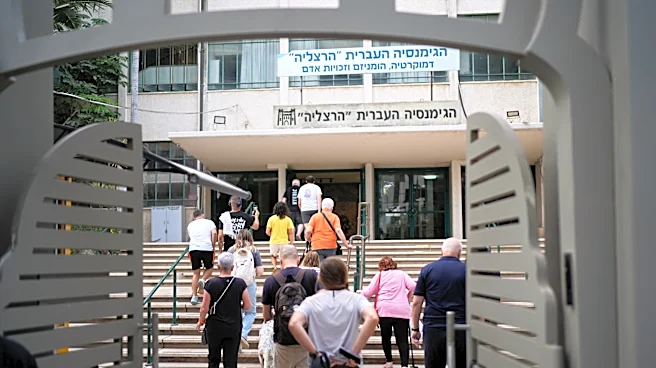
On a bright and humid morning in Pisgat Ze'ev, an Israeli settlement in East Jerusalem, she walked into a school and voted. When she came out, she had a big smile on her face and looked lighter for it.
Kim Hjelmgaard is an investigative journalist covering global stories for USA TODAY, from living rooms to conflict zones. He is based in London.
This article originally appeared on USA TODAY: Some families of Oct. 7 victims want a voice in Israeli government