






Let's have some fun with political fearmongering today
Did you know that 66.6% of candidates for U.S. House seats endorsed by the national Democratic Socialists of America organization won their primary elections this year?
Now let's demolish that fear with context.
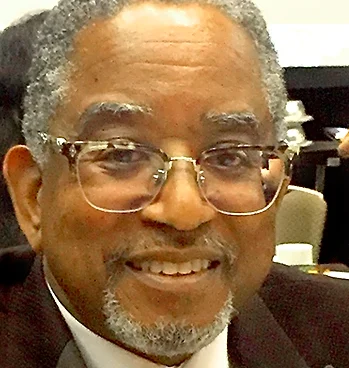
That 66.6% means only two of the three DSA-endorsed House candidates won Democratic primaries this year, in Philadelphia in May and then in Denver in June. The third nationally endorsed DSA candidate, Oliver Larkin, was defeated in the Aug. 18 Democratic primary by incumbent U.S. Rep. Jared Moskowitz.
There are plenty of lessons to learn from what some wags are calling the "sexy socialist summer." And there are many cautionary tales about right-wingers trying to demonize a rise of progressive
candidates. It's a topsy-turvy campaign season, where money matters until it doesn't, and polling shows massive leads that evaporate when the votes are cast.
Angie Nixon's win in Florida is a lesson about political fundraising

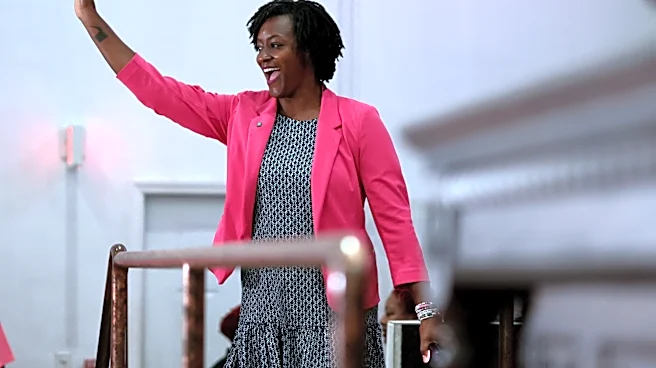
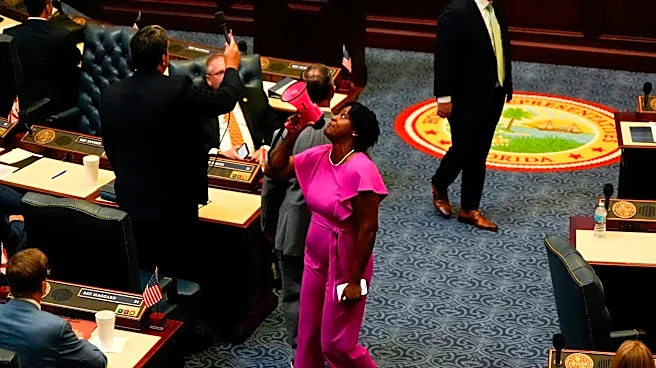
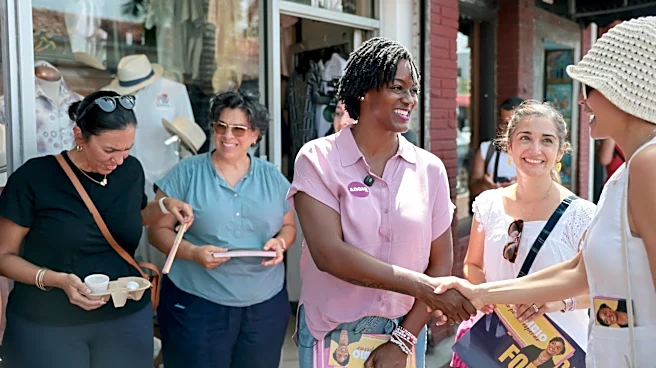
The Florida race that really caused a stir saw underfunded Angie Nixon, a state lawmaker, edge Alex Vindman by nearly 4 percentage points on Aug. 18 for the Democratic nomination. She will challenge Republican U.S. Sen. Ashley Moody in November.
Nixon, a member of the Democratic Socialists of America, was not endorsed by the DSA.
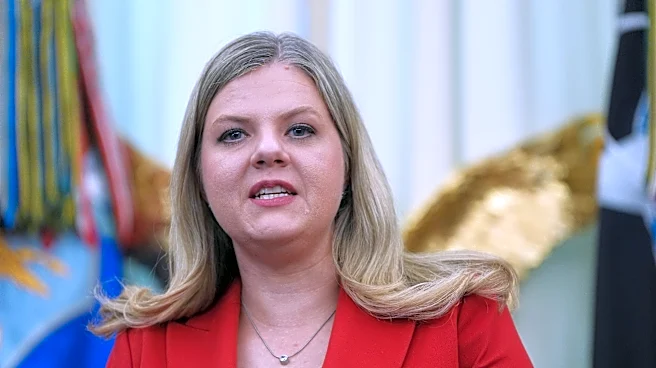
Vindman, a retired Army lieutenant colonel, gained national name recognition as a key witness in President Donald Trump's 2019 impeachment hearings. And he held an extraordinary advantage in campaign resources – with $16 million raised compared with $1.2 million for Nixon.
But messaging may be just as important as money in the 2026 elections. Vindman was seen as running a "lackluster campaign," Axios reported Aug. 18, while the Miami Herald said Nixon "channeled basic working-class concerns with authenticity."
This doesn't mean money doesn't help in politics.
Larkin, in his challenge to Moskowitz in Florida, raised about $690,000 in campaign donations, according to Federal Election Commission reports. Moskowitz, who won the primary by 27 percentage points, raised $3 million.
Democratic socialists are teaching a lesson on political polling
The concept of "electability" seems likely to nag at the Democratic Party between now and Election Day on Nov. 3. Some Democrats are worried that far more progressive candidates and democratic socialists might scare off moderate and independent voters.
The Center for Politics at The University of Virginia has moved red-state Florida's Senate race from "likely Republican" to "safe Republican" after Nixon's win. The center in January had moved the race from "safe Republican" to "likely Republican" when Vindman looked likely to win the primary.
An average of polling shows Moody leading Nixon by nearly 10 points.
But – as with money – that has to come with a caveat, because polling in races between moderate Democrats and progressives or democratic socialists has been all over the place.
Abdul El-Sayed, who is not a democratic socialist but sounds like one, had a lead of more than 10 points in an average of polling ahead of his victory over a more moderate Democrat in Michigan's Aug. 4 primary for the U.S. Senate. He won by less than 1 percentage point.
Francesca Hong, a state representative and democratic socialist, had a lead of about 20 percentage points in the run-up to Wisconsin's Aug. 11 Democratic primary for governor, according to an average of polling. She lost that race to Milwaukee County Executive David Crowley, who had a victory margin of half a percentage point.
All this points to a need to dig down deep into races to test assumptions and rhetoric.
Will we learn the lesson about Republican fearmongering?

Speaking of out-of-whack propaganda, the president and his Republican allies in Congress have been warning for months about a great wave of socialism that is about to wash over and wipe out America. Trump, in a speech on Aug. 14 to law enforcement officers in New York, again tried to conflate democratic socialism with communism.
"They want to make us a communist country, they skipped socialism," Trump claimed. "The communists want to turn America into a third world country, into a hellhole of crime and filth."
So let's test that rhetoric.
A Democratic Socialists of America spokesperson told me in June that, along with the national endorsements for three House candidates, local DSA chapters had endorsed nine House candidates in seven states.
Of the candidates endorsed by local chapters, four won their primaries in New York City and the Detroit area, three lost in Michigan and Missouri, one advanced to a November runoff with a Democrat in California, and one dropped out of the primary in Pennsylvania before it happened.
Add up the two nationally endorsed DSA candidates who won their primaries to the four chapter-endorsed winners and the California runoff race, and you have seven potential democratic socialists in the U.S. House in 2027. That would be 1.6% of the435 seats in the House.
Nixon is the only DSA member to win a Democratic primary for Senate so far. If she prevails in Florida in November, she will join the only self-identified democratic socialist in that chamber, U.S. Sen. Bernie Sanders, who is serving his fourth – and possibly final – term, which ends in January 2031.
In other words, the big scary wave of socialism that Trump wants you to fear is just a small group of politicians, using an appeal to voters based primarily on improving the economy for all, with mixed success.
Follow USA TODAY columnist Chris Brennan on Bluesky, @bychrisbrennan.bsky.social, and on X, @ByChrisBrennan. Sign up for his weekly newsletter, Translating Politics, here.
This article originally appeared on USA TODAY: What democratic socialists are showing us about the midterms | Opinion