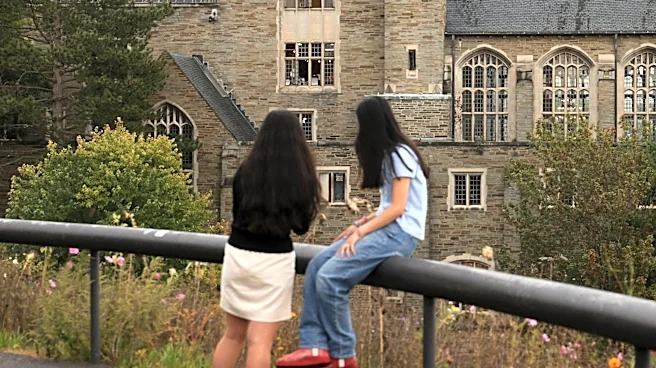







In a blistering editorial published Sept. 21 as part of The Cornell Daily Sun’s coverage of an alleged 2024 gang rape on campus, the paper’s editorial board wrote, “We ask the questions the University has left unanswered.”
This was a striking understatement.
When a lawsuit was filed Sept. 16 by an anonymous former student alleging a night of horrific violence at a fraternity house, the Sun was on the front lines of the story, having followed the case for 23 months and obtained an exclusive interview with the plaintiff.
Let’s be clear: Several of the seven accused men have denied culpability, and there are legitimate concerns about whether the names of the students should have been printed before they were proven guilty. Still, the Sun’s student reporters
have led the search for answers to open questions about how the university handled the incident, chasing down statements from reticent administrators and defendants identified in the suit.
“Cornell Won’t, We Will,” read the furious editorial board’s headline.
Significant ambiguities in the case remain, but one thing seems clear: An institution kept its handling of a crisis under wraps, and student reporters helped expose it. Since then, we’ve seen the reopening of the criminal investigation, the release of some details about how administrators managed accountability and transparency, and the initiation of an independent review of Cornell’s response.
While the courage of these students has been widely recognized, many other examples of intrepid student reporting have flown under the radar. Collegiate and high school newsrooms nationwide have produced stunning examples of game-changing reporting in recent years, exposing misconduct while also reaching beyond campus to break community and national news.
Student journalists like Cornell's can change history

A teen reporter at Redwood High School in Marin County, California, this February uncovered previously unknown connections between Jeffrey Epstein and prominent locals.
Across the bay, the Daily Californian broke news in 2025 that the University of California, Berkeley had shared student and staff names to aid a government probe into antisemitism.
On the other coast, University of Maryland student journalists have been steadily investigating Immigration and Customs Enforcement arrests and reporting from immigration courts, with stories picked up by major news outlets.
Student journalists are the wellspring of the American free press. Their newsrooms are training grounds for the vital, lifelong responsibility of being citizens. We need this programming – democracy needs it – now more than ever.
Yet the recent success of young reporters has exposed a striking paradox: While student journalism has rarely had more impact than it does today, it has also never faced stronger headwinds. Nationwide, student papers are in sharp decline, censorship is soaring, and the faculty advisers who guide journalism programs are feeling the heat.
The percentage of public high schools with student newspapers fell from 64% to 45% between 2011 and 2021, and plunged to 27% in rural and disadvantaged urban areas, according to survey data.
Collegiate journalism is also under pressure. A Prism analysis found that at least 20 four-year colleges have slashed newspaper funding since 2020. Poynter has documented the growing conflicts between universities and student newsrooms, including a stark uptick in censorship. Calls to the legal hotline of the Student Press Law Center, which defends young reporters’ right to free speech, surged 42% in recent years.
A year ago, Indiana University fired its student media director after he declined to censor news content. This spring, the longtime adviser of the Redwood Bark took a leave of absence after the investigative Epstein story that her high school student broke rankled administrators. She described their pushback as part of a yearlong pattern of interference.
So concerned are some administrators about facing public controversy that district officials and principals in states including California, Maryland, Nebraska and Virginia have actually tried to claim the right to review newspaper proofs and veto content before publication, effectively appointing themselves editors-in-chief.
High school journalism programs survive on the backs of their advisers – typically full-time teachers shouldering the extra load. On top of heavy workloads, these educators face the threat of retaliation if they don’t bend to the demands of wary administrators.
Student newsrooms won't be stopped. But they need your support
Despite the mounting pressures, David vs. Goliath victories have been playing out in student newsrooms nationwide in recent years. Northwestern University’s football coach was fired and Stanford University’s president resigned in 2023 after investigations by student journalists. A Massachusetts high school stopped using prison labor – brought in to reupholster auditorium seats – after teen reporters exposed the contract.
Students have also been stepping in to cover the growing gaps left by shrinking local news networks. In the rural village of Pulaski, Wisconsin, the high school’s Pulaski News is the only outlet covering hyperlocal issues – and students have run it for more than eight decades, with a remarkable level of community buy-in, in a time of declining trust in news.
Perhaps the greatest benefits of scholastic journalism are the most subtle: These programs nurture critical leadership and media literacy skills in students and a respect for accuracy and integrity in media. They weave students into their communities and cultivate a sense of belonging in democracy as they come of age as voters.
Student newspapers are more than a talent pipeline to the American free press; they are living laboratories for civics education. A textbook can describe the role of the Fourth Estate; student newsrooms bring it to life. The Redwood Bark's reporters learned their press rights by exercising them. The The Cornell Daily Sun's editors learned accountability by demanding it.
Whatever the outcome is of the Cornell lawsuit, the Sun has raised questions that every campus will now ask as officials reexamine their own campus protocols and codes of conduct following sexual assault allegations.
Cornell's student editors and reporters have reminded us that training the next generation of journalists is vital to the health and future of the free press. It has never been more timely or urgent for educators and philanthropists to invest in modernizing, expanding and protecting scholastic journalism as the highest expression of lived civics education.
Amanda Little is a Vanderbilt University professor, author and founder of Students United News Network. SUNN connects high school newsrooms across 35 states, mentors their reporters, and publishes their best work on The SUNN Post (sunnpost.com), America's first nationwide student newspaper. Caroline Saunders, managing director and editor-in-chief of The SUNN Post, has a background as a journalist and in strategic planning and operations for nonprofit news.
This article originally appeared on USA TODAY: Cornell's student journalists show how vital campus newsrooms are | Opinion