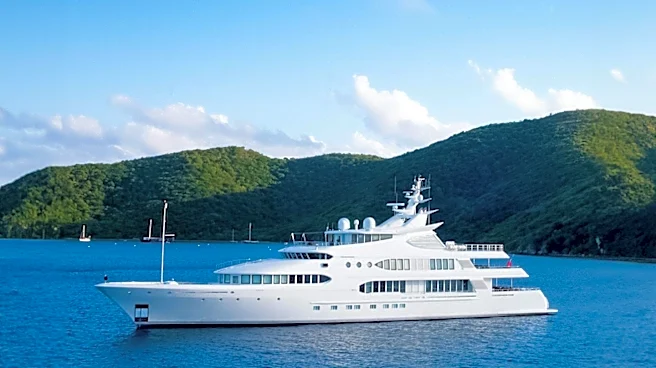






Mark Zuckerberg, the CEO of Meta, has faced criticism online after it was reported that a crew for one of his yachts allegedly failed to respond to a call for help from a ship that ran out of fuel in Alaska.
The incident occurred late Aug. 3, as the 21-foot skiff was traveling between Petersburg and Juneau, near Farragut Bay, when the ship suddenly ran out of fuel, leaving them stranded in the waterway, according to the Alaska Beacon, which broke the story.
However, the situation didn't start spreading until a user, Michael Love, on Bluesky shared his account of the moment. The captain of UnCruise Wilderness Legacy responded to the stranded vessel's call for help and told folks that Zuckerberg's yacht, Launchpad, had "repeatedly refused to respond."
Since then, Brian Baker, Zuckerberg's spokesman, explained that his crew did not hear the call for help over the radio until after the Coast Guard was already assisting the stranded ship. Baker also noted that Zuckerberg and his family were not on the ship at the time of the call.

The Coast Guard noted that it heard the ship call for help at about 9:30 p.m. on Aug. 3, and quickly determined that the ship was not in distress and issued an assistance request. That's when the Wilderness Legacy responded to the call and towed the skiff to help it refuel.
"As the Coast Guard noted, the boat was not in distress, and by the time the crew reviewed the Coast Guard contact on a different radio channel from the one they were operating on, the assist was already underway. We’re grateful all parties are safe,” Zuckerberg’s spokesman said.
Does the crew need to help via international law?
As the story circulates online, many are questioning why the Launchpad's crew didn't assist in the rescue, citing international maritime law, which requires all ships to assist people in distress.
"Every State shall require the master of a ship flying its flag, in so far as he can do so without serious danger to the ship, the crew or the passengers: (a) to render assistance to any person found at sea in danger ofbeing lost; (b) to proceed with all possible speed to the rescue of persons in distress, if informed of their need of assistance, in so far as such action may reasonably be expected of him," reads the United Nations Convention on the Law of the Sea.
Additionally, the SOS Humanity organization notes that ships are required to help during a "maritime emergency," which occurs when a vessel makes a distress call, is overcrowded, is not considered seaworthy, lacks adequate supplies or life-saving equipment, or is affected by the weather and sea.
Although the stranded vessel did call for help, the Coast Guard determined it was not in "distress," and it will likely be determined that Zuckerberg’s yacht was not required to assist the ship.
Noe Padilla is a Northern California Reporter for USA Today. Contact him at npadilla@usatodayco.com, follow him on X @1NoePadilla or on Bluesky @noepadilla.bsky.social. Sign up for the TODAY Californian newsletter or follow us on Facebook at TODAY Californian.
This article originally appeared on USA TODAY: Mark Zuckerberg's yacht crew did not hear boat's call for help