

WASHINGTON – Abortion. Religious freedom. Voting rights.
In recent years, Supreme Court Justice Samuel Alito has authored major – and controversial – opinions on those hot button issues.
In a new book − “So Ordered: An Originalist’s View of the Constitution, the Court, and Our Country,” published Oct. 6 by Basic Liberty – the conservative jurist explains his approach to the law.
He also answered written questions from USA TODAY about his views and some of his decisions.
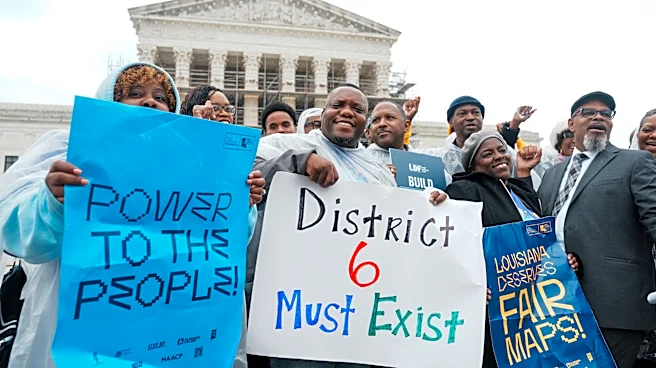
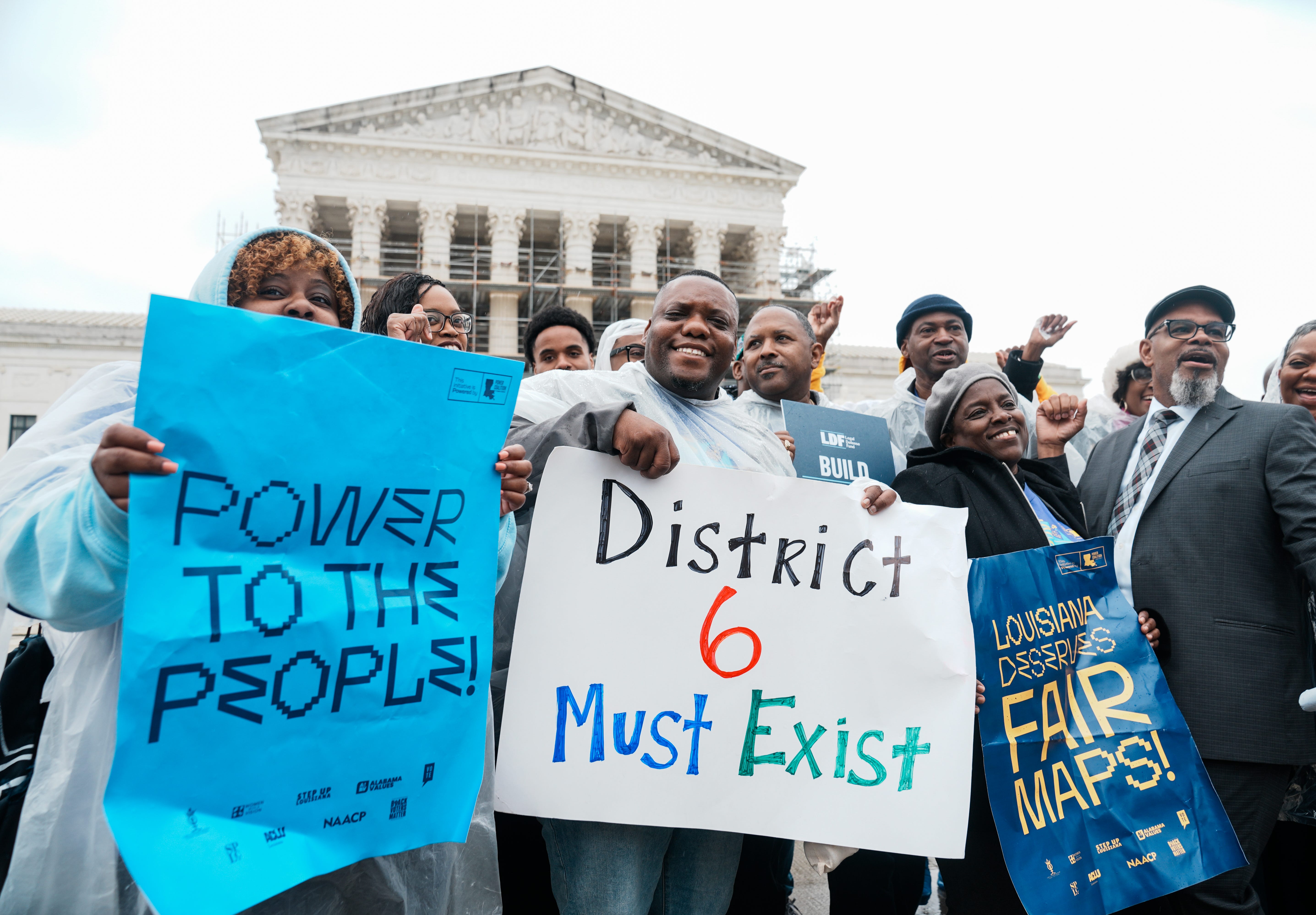
In April, Alito wrote the court’s 6-3 ruling that curtailed a key provision of a landmark civil rights law enacted six decades ago to prevent racial discrimination in voting. The conservative majority sided with non-Black voters who challenged Louisiana’s congressional map as relying
too heavily on race to sort voters.
In his new book, Alito wrote that the court has finally corrected course on past decisions that “taught that discrimination based on race or ethnicity is proper if it serves supposedly beneficent purposes.”
Critics say the court’s decisions that scaled back the Voting Rights Act and, in 2023, ending the use of race-conscious admissions at universities ignore, as Justice Ketanji Brown Jackson wrote in the admissions case, "gulf-sized race-based gaps with respect to the health, wealth, and well-being of American citizens.”
Asked how much discrimination against racial minorities still exists, Alito called that an “empirical question that I am in no position to answer.”
“Federal law broadly prohibits racial discrimination, and it is the responsibility of the Supreme Court and other federal courts to enforce those laws in the cases that come before them regardless of whether those cases are representative of widespread practice or involve relatively isolated instances of illegal behavior,” he said. “In either situation, our duty is the same: enforce the law.”

Several chapters of Alito’s book focus on the freedom of religion, including his concern that support for religious liberty has cratered. Does that mean that the court’s frequent rulings in favor of religious rights are out of step with the public?
In response, Alito suggested decisions like the 2025 decision he authored in favor of parents who want to avoid LGBTQ+ storybooks in public schools are not contrarian.
“Do the American people believe that very young elementary school students should be forced, contrary to the wishes and religious beliefs of their parents, to be read books that favor medical procedures that alter a child’s gender?” he asked.

After Alito authored the court’s 2014 opinion that companies cannot be forced to offer insurance coverage for certain birth control methods they equate with abortion, Harvard Law professor Noah Feldman wrote that religious exemptions from generally applicable, neutral laws have long been a “pet issue,” for Alito.
In his new book, Alito says he took that as a compliment.
“I have welcomed the opportunity to author many opinions on religious liberty and to speak on the subject because religious liberty is critically important for our society,” he wrote.
Asked by USA TODAY what role his own faith plays in his approach to the law, Alito – who is Catholic – said his faith “commands me to be true to the oath that I took when I was appointed, and in that oath I promised to 'well and faithfully discharge the duties’ assigned under the Constitution.”
“That means both that I may not shirk from performing those duties and also that I may not arrogate authority that the Constitution does not confer,” he said. “I could not have taken that oath if I did not believe from the bottom of my heart that our country has a good Constitution that does not require me to do anything that is morally wrong.”
This article originally appeared on USA TODAY: Courting controversy: Alito on religion, racism and big Supreme Court moments