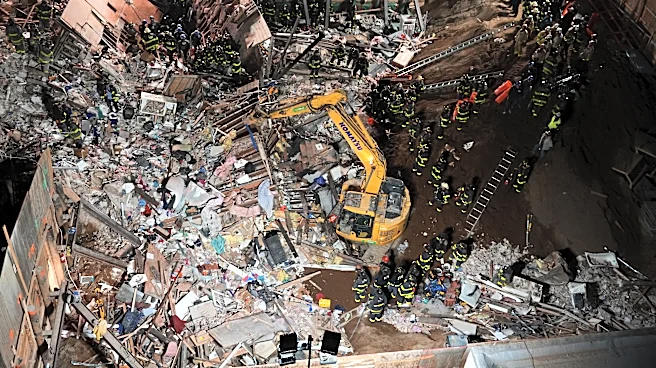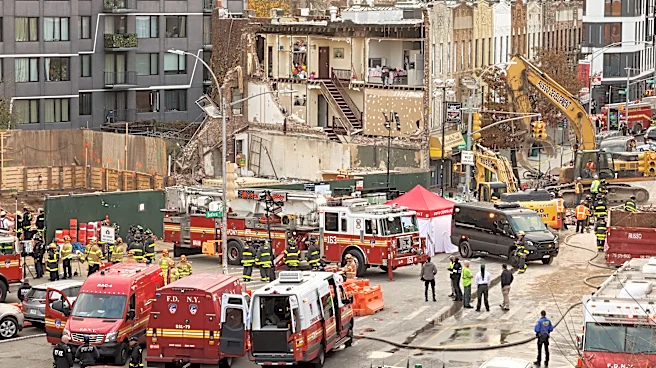



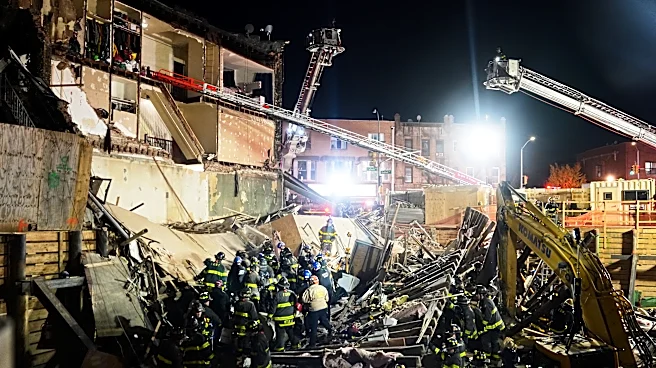
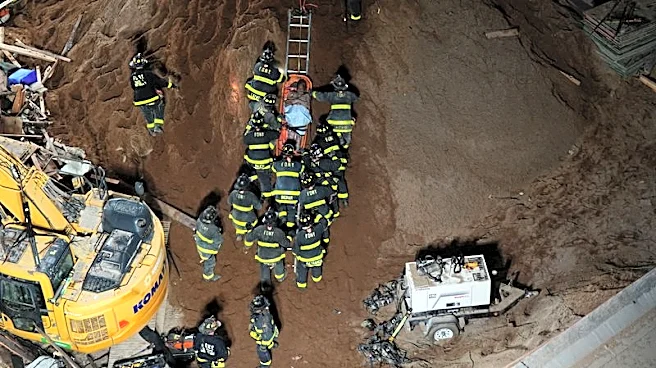
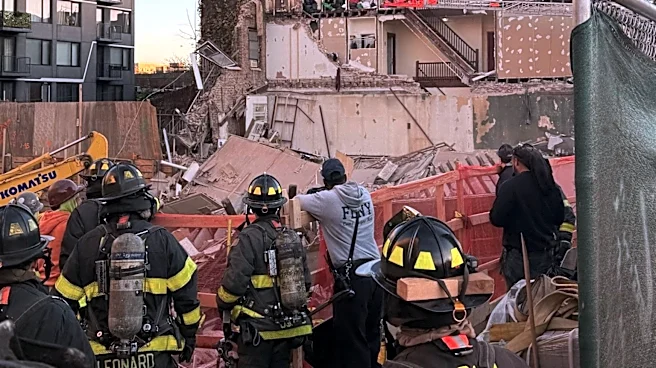
The cause of a three-story Brooklyn building’s collapse remains unclear, but permits, complaints and public records provide insight into the building's troubled past as the investigation unfolds into its deadly destruction.
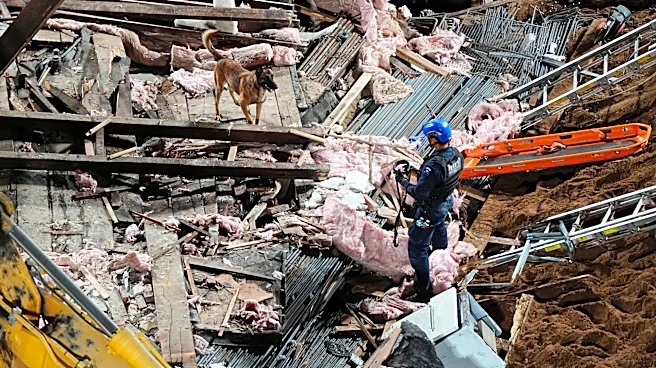
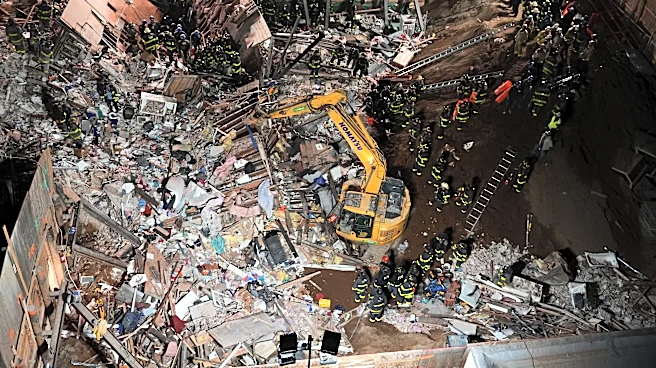
Two children and six adults, including two construction workers, died in the tragedy. Eighteen people − 14 civilians and four firefighters − were injured due to the collapse at 1321 Flatbush Ave. in the Brooklyn borough of New York City.
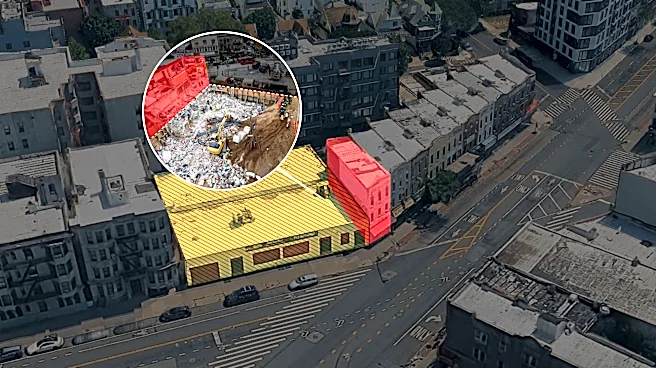
A vacate order for the building on the New York City’s Department of Buildings had said the collapse was due to "unsafe construction operations at the adjacent property, 2625 Bedford Avenue.” But by Thursday afternoon, the department's web site no longer contained that language. USA TODAY has
contacted the Department of Buildings for comment about the update.
New York City Mayor Zohran Mamdani said an investigation involving the construction site and collapsed building has begun. He added that the department of buildings had identified five entities associated with the construction site.
"Those five entities are associated with 100 other sites across the city," he said. "The department of buildings is commencing sweeps of those sites to ensure that if there is anything New Yorkers need to be worried about, that we are on the scene, and we are doing something about it."Anil Kumar Y. Agrawal, a civil engineer and professor at City College of New York, said that “all the factors were there” for a collapse.
“It’s engineering, and if you do it carefully, you can prevent accidents,” he said. In this instance, he said, “something went wrong at the very basic level."
“This collapse absolutely should not have happened.”
USA TODAY has reached out to the city’s department of buildings, the Department of Housing Preservation and Development, a construction company with work tied to a neighboring property, and the owner of the collapsed property.
Collapsed building had cracks in facade
A report filed in March with the city’s Department of Buildings described the collapsed building’s north facade as being “in poor condition with noticeable cracks identified."
Reports documenting pre-existing damage are often intended to protect developers from allegations that they caused new damage to nearby structures, according to Glenn Corbett, a former member of the federal advisory committee of the National Construction Safety Team.
While cracks are not uncommon in old buildings like the one that collapsed, the issues documented in the report probably should have sparked further investigation, said Corbett, now an associate professor at John Jay College of Criminal Justice.
“That should have triggered somebody going back there and looking at, 'Why is this wall cracked, and if I start digging 25 feet away, how is that going to affect this?'” he said.
Corbett, who said he has been following news of the collapse closely, said he believes that something went wrong with the shoring system and caused an influx of soil from the adjacent properties into the excavation pit. That could have pushed the shoring up at a 45 degree angle and destabilized the neighboring building, he said.
What could have caused the potential shoring failure requires further, independent investigation, he said.
Fallen structure had history of violations
The 96-year-old, three-story apartment building that collapsed in Brooklyn on Nov. 11 had a long history of hazardous violations, city records show.
Department of Housing Preservation and Development records list 98 violations stretching back to 1972. Twenty-one are Class C or “immediately hazardous” violations for issues including peeling lead paint, a leaking roof and unsafe electrical wiring.
In recent years the building has been repeatedly ordered to provide adequate water supply for the sprinkler and/or standpipe system as well as repair, replace or provide a smoke detector. “A fire guard must be provided immediately due to the exigency of the dangerous fire hazard conditions observed,” a violation description from 2024 reads.
The building is owned by Isolag Realty group, according to a stop work order on the city’s Department of Buildings' website. Olufemi Falade is listed in a state database as the registered agent for that business and as the head officer, managing agent and shareholder for Femi Realty Corp, the previous owner of the property, on the HPD website.
Falade faced jail time in 2006 after failing to remedy housing violations at some of his buildings, the New York Times reported. The New York Daily News reported that Falade was handed a 12-day sentence and $50,000 in fines for failing to fix over 600 violations.
“The city will not tolerate residents living in inhuman conditions,” then-Housing Preservation Development chief Shaun Donovan said at a press conference at the time, according to the New York Daily News.USA TODAY has reached out to the HPD, the DOB and a number listed for Falade for comment.
What was being built next to collapsed building?
Developers had "a plan approved for a three-story building" and were doing excavation work at the site, said Ahmed Tigani, the commissioner of the city's department of buildings at Nov. 11 press conference. The developers were seeking to build a nine-story, mixed-use building with a grocery store on the first floor and residential housing on the floors above, according to a proposal on the city's zoning website. Tigani said those plans not been approved.
N Tech Design of America, a construction company, demolished a one-story building on the site there despite a stop-work order issued in March, according to a summons issued by the city in April.
In June, certified letters were sent to adjacent properties notifying them that excavation would begin within 30 days, including to the owner of the Flatbush property. It stated all precautions would be taken to protect the property.
This article originally appeared on USA TODAY: Hazards, cracks preceded deadly NYC building collapse, records show