
More than two weeks into the 2026-27 men’s college basketball season, programs across the country (and their opponents) still don’t have a clear idea of who will be taking the court for them on a given night.
Eligibility lawsuits and requests for temporary restraining orders have taken some of the game’s most consequential moments from the basketball court to the court of law.
While some of the blame for the state of roster uncertainty throughout the sport has been put on the NCAA, arguably the most prominent coach in the sport points the finger elsewhere.
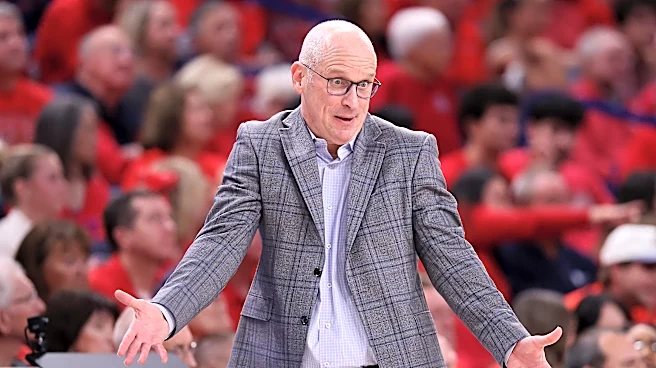
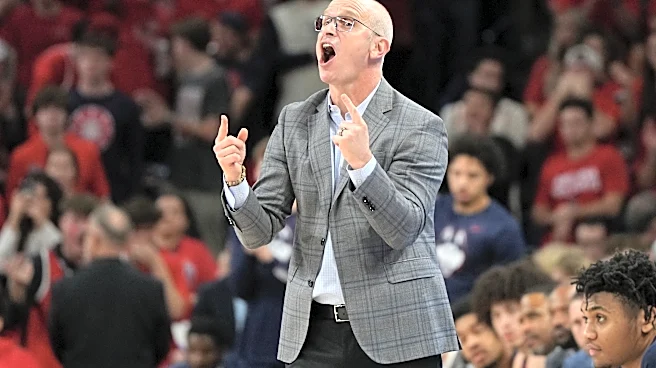
After his team’s 85-79 loss at Arizona on Wednesday, Nov. 18, UConn coach Dan Hurley teed off on his fellow coaches
when asked what he made of various eligibility cases across the country, describing the situation as "really gross" and "unfortunate."
"As an institution and as a program, we chose to follow the rules and the guidelines of the NCAA when they said the five-for-five rule starts next year," Hurley said. "We ignored the calls from lawyers and agents telling us ‘Hey, these guys will get eligible.’ It’s unfortunate. It’s really gross. I just don’t understand how local judges can just make a guy eligible. I guess with the coaches, too, they all complain that we don’t have rules. They did actually give us rules of who could be. The coaches chose not to follow them and to throw it into chaos and the legal system. It’s wrong."
In June, the NCAA passed an age-based eligibility model that gave athletes up to five years to compete. The rule didn’t apply retroactively, meaning that athletes from the high school class of 2022 who had completed their senior seasons that spring were not grandfathered in and given an additional season of eligibility. The distinction has prompted lawsuits across the country, including from prominent players who had been added to the rosters of ranked teams.
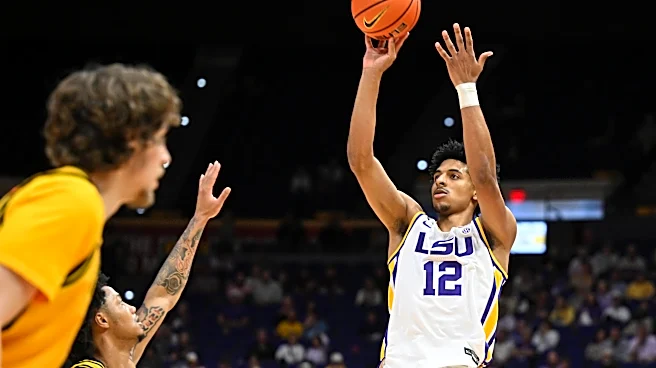
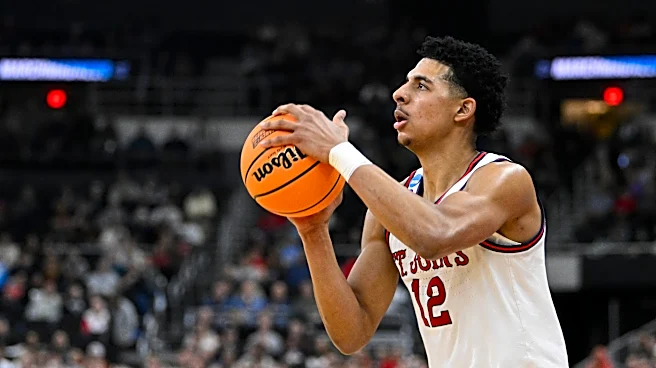
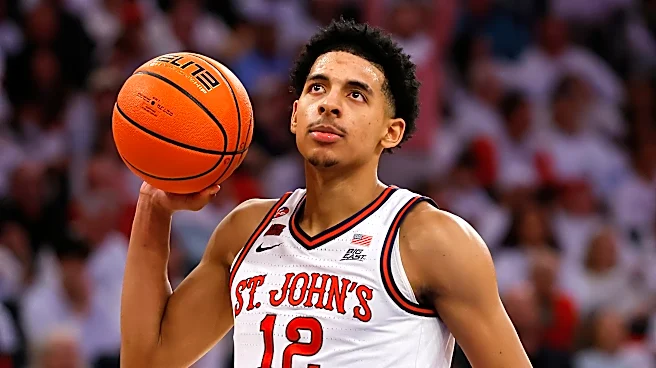
The legal push for additional eligibility has extended to players who had signed professional contracts, including with NBA teams and their G League affiliates. That group most notably includes RJ Luis, a former Big East player of the year at St. John’s who signed a two-way contract with the Utah Jazz and an Exhibit 10 deal with the Boston Celtics before returning to college, where he signed with LSU and first-year head coach Will Wade. After weeks of legal tumult, Luis played in his first game with the Tigers on Wednesday, Nov. 18, scoring 11 points and pulling down nine rebounds.
Some coaches have called out the NCAA, including in court testimony, for the current state of affairs, but Hurley, who didn’t add any players in ongoing eligibility battles, believes much of this could have been avoided if coaches would have simply followed the NCAA’s rules.
"We have a governing body," he said. "They gave us the pool of players that we could put our team together (with). It’s not really fair to the teams that did follow the rules in terms of how they put their roster together, to judges in states with teams that followed the rules. Programs that aren’t following the rules, when they come play a game in Connecticut and we followed the rules, should those players be allowed to play when they come into the state of Connecticut? Is there a judge in Connecticut that’s not going to allow players that are ineligible to come when they play us? Who the hell knows?"
Heading into the Arizona game, Hurley and his staff had to contend with a high-profile eligibility case – not with their own player, but an opponents’.
Arizona forward RJ Godfrey, a fifth-year player who transferred to the Wildcats from Clemson in the offseason, was granted a temporary restraining order and a preliminary injunction by the Pima County (Arizona) Superior Court on Tuesday, Nov. 17, the day before the game against UConn. The NCAA, however, informed Arizona that it had not cleared Godfrey, making him ineligible.
"That shouldn’t be going on," Hurley said. "I was literally asking on the bus ride over if Godfrey was eligible. Literally, you pull into the arena and you don’t know if he’s playing or not."
While Hurley – whose teams have competed in three of the past four national championship games, winning two of them – doesn’t face some of the same job security questions his colleagues do, he believes he would have gone with his approach of not adding fifth-year players "no matter what the situation was."
Still, he understands why coaches have added fifth-year players.
"I get the situation," he said. "You’re (Arizona coach) Tommy (Lloyd) and you’ve got the Koa Peat (NBA draft decision) going down to the wire and you have all these other coaches taking these guys fifth year and you’ve got a responsibility to your university if that’s the road you want to go down to put together a team for your fan base, for your donors, for your university that can compete."
This article originally appeared on USA TODAY: Dan Hurley rips NCAA basketball eligibility crisis, blames coaches: 'Really gross'