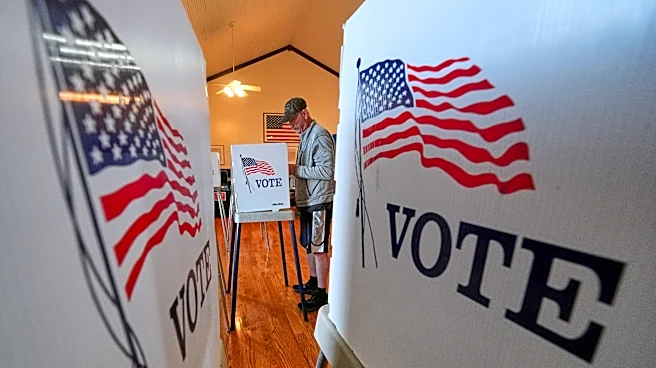


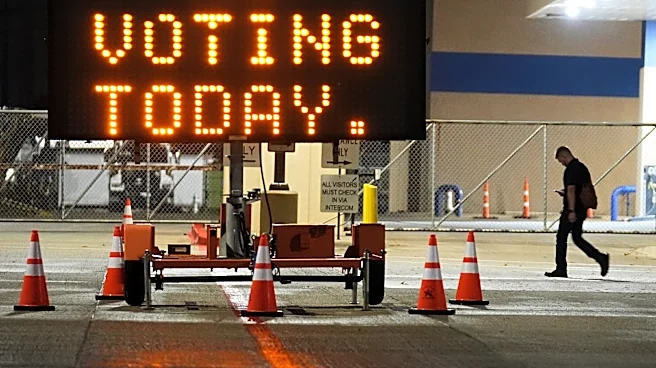

The Congressional legislation that was supposed to provide “stability” and antitrust protection for college sports is nearly dead with Democrats poised to take control of both chambers of Congress after the midterm elections of Nov. 3.
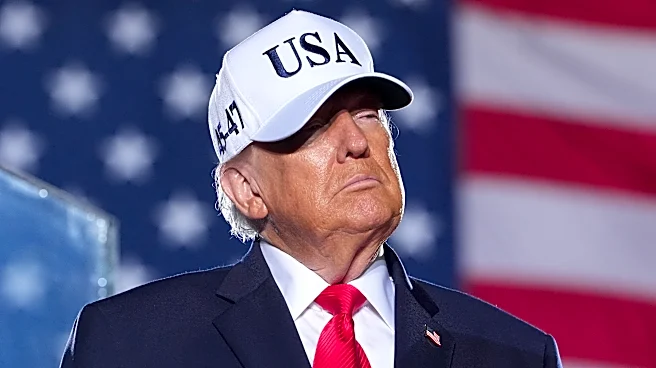
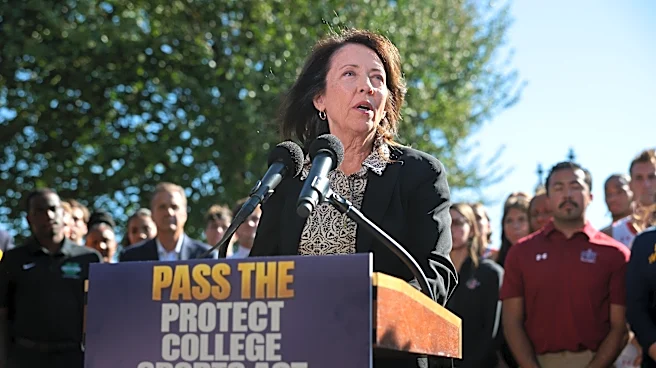
That’s according to basic math and motivation factors, as explained to USA TODAY Sports by those who follow the politics of it. The Protect College Sports Act passed the U.S. Senate in September by a 77-22 bipartisan vote but still needed to pass in the U.S. House before being signed into law by President Donald Trump, who was expected to sign it.
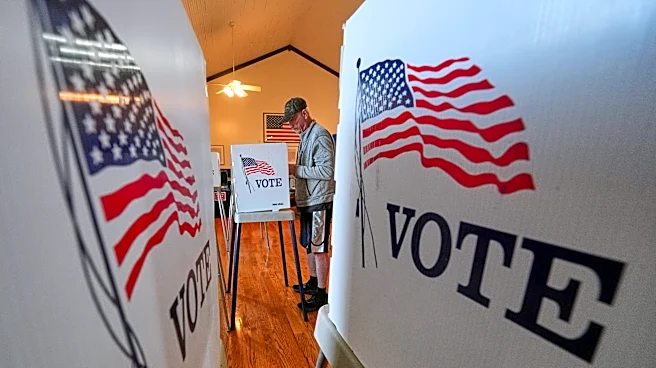
The problem for the bill now is that the election just flipped control of the House from Republican to a Democrat majority, effective Jan. 3.
“I’d call it ‘very much on
life support’ rather than ‘dead-dead,’” said Kyle Saunders, a political scientist at Colorado State who studies Congress. “I have passage at around 5% (probability) for this Congress now.”
Why does the election possibly doom the PCSA?
Before the new Democrat-led Congress takes over Jan. 3, there’s only two months of a lame-duck Republican-led House to find the motivation and votes to pass the bill. That lame-duck House has a margin of 218 Republicans and 214 Democrats.
That means House Republican leadership, led by lame-duck Speaker Mike Johnson, needs almost every Republican member to support it when some Republican factions already have expressed concerns about the bipartisan Senate bill.
By contrast, House Democrats can just wait until Jan. 3 to pursue their own agenda as the majority party and don’t want to hand Trump a legislative victory before then, especially when several factions in the party have opposed it, such as the Congressional Black Caucus.
The PCSA is ‘not dead dead,” said Sam Ehrlich, an associated professor at Boise State who tracks college sports legislation. “But if you're a supporter of the bill you are running against the clock and against various Democrats who have every incentive to do everything they can to run out that clock and get it to the next Congress.”
Cody Campbell, Chairman of the Board of the Texas Tech University Board of Regents and a Senior Member of the President’s Blue Ribbon Council on College Sports, thinks the bill can still pass before Congress changes hands.
Another lame-duck factor is the Speaker of the House
Johnson also recently said he wouldn’t stay on as the House Republican leader of the new Congress in January.
Johnson is the one who’d have to whip this bill and “has very little left to whip for,” Saunders said.
Couldn’t the new Congress take up the bill?
It would have to start from scratch under new Democratic leadership with different priorities, such as the Iran War, the economy and healthcare concerns.
“The bill dies January 3, and anything new starts over,” Saunders said. “I don’t think the whole thing gets junked, because the college athletics climate that produced it (the eligibility lawsuits, the state-law patchwork, the House settlement’s pay cap) doesn’t go away, and if anything gets more unstable and litigious.”
Any new college sports bill in the Democratic Congress could be much different from the PCSA, with more labor protections for athletes and more narrow antitrust protections. Trump might not sign such a bill, however.
Why couldn’t the GOP just eke out a majority in the lame-duck session?
They’d need virtually every Republican House member to back it when not all are crazy about it. On Oct. 2, 21 Republican House members signed a letter to House leadership expressing concerns about the bill that passed in the Senate. They specifically targeted the section in the Senate bill that caps membership in the Power Four conferences at 20 schools and requires any institution that leaves one of those conferences to spend three years as an independent before joining another.
These House members were from Florida, North Carolina and South Carolina, where some of their schools might like to leave the Atlantic Coast Conference for the more lucrative Southeastern or Big Ten Conferences.
How could they get that changed now? Any amendments would have to go back to the Senate with a ticking clock.
At least two of those 21 Republicans lost elections Tuesday and three others are retiring. Will they fight for that on the way out?
A big supporter of the bill, Texas Tech booster Cody Campbell, believes there’s a reason they could.
The election “might actually help to create some urgency to get it done in the lame-duck (session of Congress),” Campbell told USA TODAY Sports. “I think that is a high likelihood. Will know for sure when the dust settles in a day or two.”
What happens without a new college sports bill?
Nothing changes. The games go on the way they are now. Players still get paid for their names, images and likenesses (NIL) under terms of the House legal settlement with the NCAA. Players can transfer every year without restriction. Lawsuits continue over players’ college eligibility, though players now generally have five years to play five seasons under NCAA rules.
What would the Protect College Sports Act do anyway?
It “protects” the schools and groups that are supporting it — schools, major conferences, the NCAA and coaches. They want stability in college sports after years of upheaval triggered by antitrust lawsuits filed on behalf of college athletes. Those lawsuits led to direct revenue-sharing payments to players from schools for the first time in 2025, along with unlimited annual player transfers for players in 2024.
The bill would give college sports a limited antitrust exemption that would shield it from such lawsuits and limit player transfers to one time without penalty, with some exceptions. It would cap player eligibility at five years. And it would cap player compensation at levels agreed to by the House vs. NCAA legal settlement (about $22 million), plus a retention fund for athletes of $22.5 million
Such measures give schools, conferences and coaches more control and certainty over player expenses and roster management. It also creates uniform rules about paying players for their names, images and likenesses (NIL) instead of having a variety of different state laws.
Who opposed the PCSA?
Support and opposition generally lined up along the traditional divide between labor and management. Players’ right groups and the NAACP opposed it because rolled back player rights and capped their pay while not doing the same for coaches and administrators.
Contributing: John Brice, Matt Hayes
Follow reporter Brent Schrotenboer @Schrotenboer. Email: bschrotenb@usatoday.com
This article originally appeared on USA TODAY: NCAA was nearing a historic win in Congress. Then voters changed everything