






Park Pulse is USA TODAY's weekly guide to what's happening across America's national parks and major theme park destinations, including Disney and Universal.
Stuck in crawling traffic at Yellowstone National Park, I looked out the passenger window and saw an imposing bull elk staring straight at me a few yards away. It was Sept. 2024, during elk mating season, or the rut, when bull elk can be aggressive and unpredictable. I envisioned the elk ramming our rental truck. Thankfully, traffic started moving right then, but other risks were still ahead.
“When you think about dangers in national parks, people easily picture bears and other wild animals, but to be honest with you, edges, roads, and water are what hold the most risk,” Carl J. Borg, editor-in-chief
of outdoors publication Outforia, told USA TODAY.
Outforia analyzed mortality data for all 63 of America’s national parks from 2014 to 2022 to understand the leading causes of accidental death and which parks saw the most such deaths over that period.
Here’s what prospective park visitors should know.
What is the leading cause of death in national parks?
By far, Outforia found falls were the leading cause of accidental death across America’s national parks from 2014 to 2022.
“Falls accounted for 217 of 601 accidental deaths, so over 36%, and vehicle crashes at 21% and drownings at 16.3%,” Borg said.
Environmental causes like extreme weather, avalanches and flash floods accounted for just over 15% of accidental deaths.
Wildlife encounters accounted for less than 1%.
What is the deadliest national park in the US?
The answer depends on how you look at it.
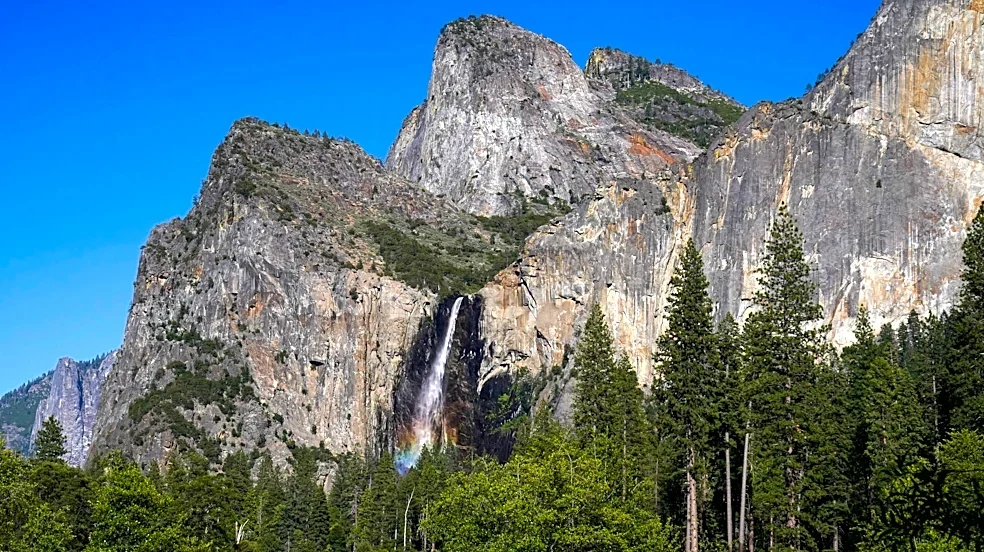
“Whilst Yosemite has had the most accidental deaths, once we account for the visitor numbers, it actually ranks ninth and not first,” Borg said.
Outforia determined Wrangell-St. Elias to be the riskiest park, after factoring in visitation.
”We ended up finding 15.3 accidental deaths per million visits, about one every 65,000 visits, and that's nearly 20 times the rate across all national parks,” Borg said of America’s largest national park.
Spanning 13.2 million acres, Wrangell-St.Elias is as big as Yellowstone, Yosemite and Switzerland combined, according to its website.
Borg noted, due to that size and the park’s remote nature, “It can take hours, if you ever need anything, for help to get your way."
Parks with the most accidental deaths
1. Yosemite National Park
- State: California
- Total deaths: 61
- Leading cause of death: Fall
2. Great Smoky Mountains National Park
- States: North Carolina, Tennessee
- Total deaths: 58
- Leading cause of death: Vehicle crash
3. Grand Canyon National Park
- State: Arizona
- Total deaths: 53
- Leading cause of death: Fall
4. Sequoia & Kings Canyon National Parks
- State: California
- Total deaths: 42
- Leading cause of death: Fall
5. Grand Teton National Park
- State: Wyoming
- Total deaths: 31
- Leading cause of death: Fall
6. Death Valley National Park
- States: California, Nevada
- Total deaths: 27
- Leading cause of death: Vehicle crash
6. Mount Rainier National Park
- State: Washington
- Total deaths: 27
- Leading cause of death: Fall
8. Zion National Park
- State: Utah
- Total deaths: 26
- Leading cause of death: Fall
9. Yellowstone National Park
- States: Idaho, Montana, Wyoming
- Total deaths: 22
- Leading cause of death: Vehicle crash
10. Rocky Mountain National Park
- State: Colorado
- Total deaths: 21
- Leading cause of death: Fall
Note, even though Kings Canyon and Sequoia are two different parks, they’re managed as one, and their data was combined.
Also, Death Valley and Mount Rainier tied for sixth place based on total deaths, but not when factoring in visitation.

Riskiest national parks
1. Wrangell-St. Elias National Park & Preserve
- State: Alaska
- Total deaths: 9
- Deaths per 1 million visits: 15.3
- Leading cause of death: Drowning
2. Dry Tortugas National Park
- State: Florida
- Total deaths: 5
- Deaths per 1 million visits: 8.2
- Leading cause of death: Drowning
3. Virgin Islands National Park
- Territory: U.S. Virgin Islands
- Total deaths: 14
- Deaths per 1 million visits: 5.6
- Leading cause of death: Drowning
4. Denali National Park & Preserve
- State: Alaska
- Total deaths: 17
- Deaths per 1 million visits: 4.0
- Leading cause of death: Fall
5. Sequoia & Kings Canyon National Parks
- State: California
- Total deaths: 42
- Deaths per 1 million visits: 2.7
- Leading cause of death: Fall
6. Death Valley National Park
- States: California, Nevada
- Total deaths: 27
- Deaths per 1 million visits: 2.4
- Leading cause of death: Vehicle crash
7. Redwood National and State Parks
- State: California
- Total deaths: 9
- Deaths per 1 million visits: 2.2
- Leading cause of death: Vehicle crash
8. Mount Rainier National Park
- State: Washington
- Total deaths: 27
- Deaths per 1 million visits: 2.1
- Leading cause of death: Fall
9. Yosemite National Park
- State: California
- Total deaths: 61
- Deaths per 1 million visits: 1.7
- Leading cause of death: Fall
10. Glacier Bay National Park & Preserve
- State: Alaska
- Total deaths: 7
- Deaths per 1 million visits: 1.7
- Leading cause of death: Aircraft
Only parks with at least five accidental deaths were considered in the ranking.
How to stay safe
Borg doesn't want to scare anyone from visiting parks.
“Overall, it's about like one accidental death for every 1.3 million visits, based on the data, which in the big scheme of things, is still a relatively small number,” he said.
Rather, he hopes the findings prompt more careful planning for park visits.
“Parks aren't necessarily dangerous,” he said. One thing they have in common is, “It really depends on what you do and the things that you do to stay safe.”
He shared the following tips, which I’ve added to based on years of visiting and covering national parks and tips from the National Park Service.
- Before heading out, check the latest conditions and closures on the park’s website. Also, check the weather and sunset time, so you can plan accordingly.
- Choose activities that match your skill and ability. If you’re not sure, stop by the visitors center to ask a park ranger for recommendations.
- Make sure you have the right equipment and supplies for your activities. This includes plenty of food and water, layers of clothing, sun protection, first aid, and headlamps or flashlights. The National Park Service shares more packing essentials on its website.
- When hiking, plan around the slowest person in your party and set a turnaround time, regardless of how far you get. Also let loved ones know your route and when you expect to return, so they can call for help if needed.
- Figure out how to get help in areas without phone service. Gates of the Arctic National Park and Preserve, which is very remote, shares several suggestions for backcountry communication on its website.
- Stay behind barriers and be careful around edges and cliffs. Grand Canyon recommends staying at least 6 feet away from edges.
- Stay at least 75 feet away from most wildlife and at least 150 feet from predators like bears and wolves.
- Drive carefully.
- Always wear a life jacket when boating or doing other water activities.
“A short walk and several days in the backcountry or doing a longer expedition call for very different types of preparation. So we’d highly encourage anyone visiting the beautiful national parks to always plan and do in-depth research on the trip they're actually going to be taking,” Borg said. “At the end of the day, we're each all responsible for our risk.”
This article originally appeared on USA TODAY: You've probably visited some of America's 'most dangerous' national parks. I have