




A planned nationwide emergency alert test is sparking widespread unsubstantiated rumors of a 90-day power grid blackout.
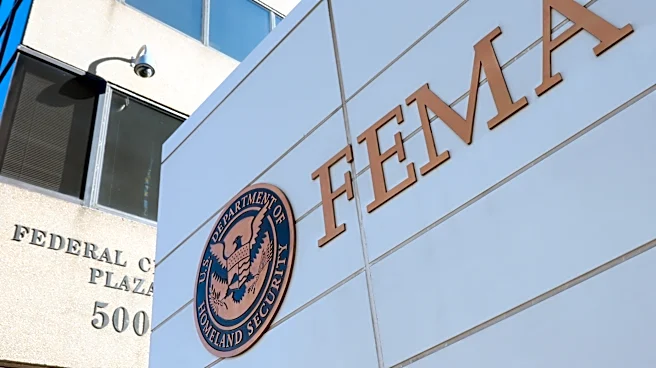
On Nov. 17, the Federal Emergency Management Agency is conducting a nationwide test of the Emergency Alert System, a public warning system that would allow officials to address Americans or share information during a national emergency.
During the test, which is expected to last about one minute, broadcasters nationwide will pause regular programming to air a test message.
The federal agency is required by law to conduct this test at least once every three years; the last test was held in October 2023.
On social media, theories that the test will trigger a nationwide 90-day power blackout have spread rampantly. But officials say
these theories are untrue.
Here's what to know.
FEMA emergency test to happen today. What to expect

FEMA's test of the emergency alert system will happen on Tuesday, Nov. 17.
According to the agency, at about 2:20 p.m. ET, radio and television broadcasters nationwide will interrupt regular programming to relay a test message.
The message will say, "This is a nationwide test of the Emergency Alert System, issued by the Federal Emergency Management Agency. This is only a test. No action is required by the public."
It will also include alert tones and may be broadcast in Spanish as well depending on the station.
If an actual emergency or significant weather event occurs on Nov. 17, officials may postpone the test. The backup test date is Dec. 3.
Will FEMA emergency test send an alert to cell phones?

During the last test, in 2023, cell phones, radios and televisions across the country vibrated and played a loud alert sound.
But this time around, cell phones will not be included in the test, according to FEMA.
The 2023 test included wireless emergency alerts, but they will not be part of this year's test. FEMA said it is only assessing the system that includes thousands of radio, television, cable, satellite and wireline broadband providers.
Why is the emergency alert test happening?
The test allows FEMA to assess the Emergency Alert System, which is one way the agency can distribute alerts during a national emergency.
Under federal law, FEMA is required to test the system at least once every three years. The tests allow officials to make sure the system is effective before it's needed in an actual emergency.
"FEMA's alert and warning systems ensure that no second is wasted getting you the critical information needed to keep you safe. Operational tests, like the one to be conducted tomorrow, allow us to identify and fix potential issues before an actual emergency occurs," FEMA Administrator Cameron Hamilton said in a Nov. 16 release.
Will there be a 90-day blackout?
Some social media theorists are speculating that the emergency alert test will trigger a 90-day power grid blackout. Officials have signaled that this is not the case.
"We’ve heard a lot of rumors about tomorrow’s EAS test. Let’s clear things up. It lasts 1 minute, and no action is required. No blackouts, no secret emergencies," FEMA wrote on X.
USA TODAY has reached out to FEMA for comment.
The exact origin of the 90-day blackout theories is unclear. It's possible they stem from recent actions by federal officials related to the power grid.
In August, President Donald Trump issued an executive order declaring a national emergency to protect the country's bulk-power system from foreign security threats, citing advanced technology risks. The bulk-power system provides the electricity that supports national defense, emergency services and the economy.
The order authorized the Energy Secretary to prohibit certain acquisitions, imports or installations of foreign-produced electric equipment for the bulk-power system if it may pose a national security risk. The agency has 120 days after the order to publish rules implementing the process, which isn't until December.
Additionally, in September, the Defense Department established a program known as FORTRESS America aimed at ensuring the military has "sustained access" to critical resources, including energy, according to a memo from Pentagon Chief Pete Hegseth.
In the memo, Hegseth called the program the "nation's insurance policy" to "guarantee assured access to the materials, energy, industrial capacity, and secure infrastructure on which American military power depends."
Outages, FAA ground stop fuel blackout rumors
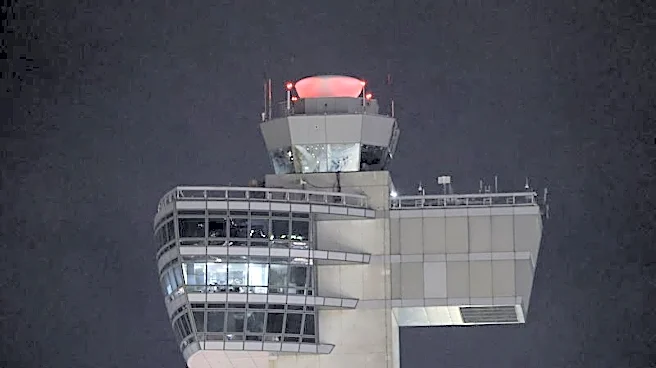
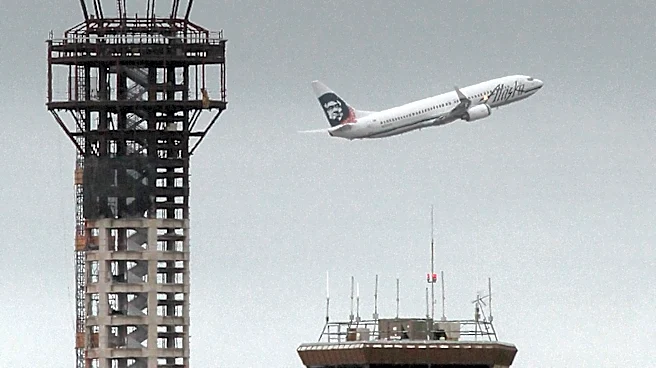
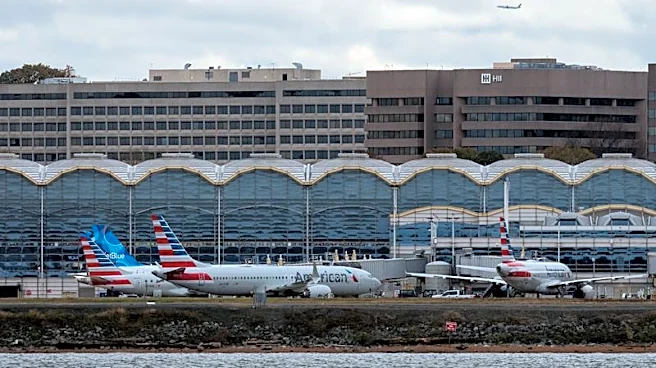
The 90-day blackout rumors also come on the heels of a week marked by widespread technology outages and a nationwide ground stop from the Federal Aviation Administration.
The multiple technology failures in a short series of time has left many feeling unnerved.
"BREAKING: Literally everything," one X user posted.
But officials have said there have been no signs of cyber attacks tied to any of the major recent outages.
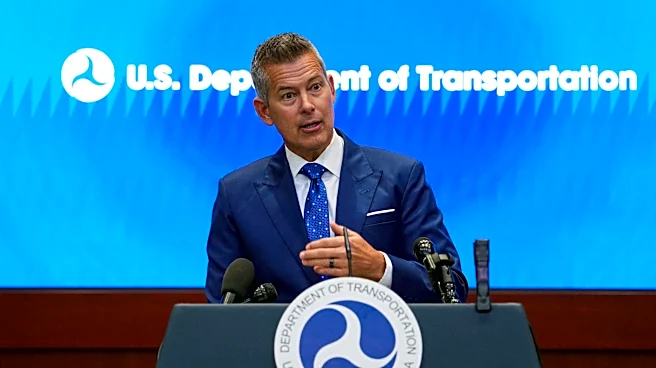
Transportation Secretary Sean Duffy cited "overloaded" technology in the air traffic control system for the temporary FAA ground stop.
The Microsoft outage was caused by a dormant software bug that had been undetected since July, according to an early report of the incident published Nov. 16.
"This was a technical issue not related to cyber or AI/agents," Microsoft said in a social media post on Friday, Nov. 13, at 1:05 p.m. ET.
Melina Khan is a national trending reporter for USA TODAY. Keep up with her on Instagram @bymelinakhan and TikTok @melina.khan2.
This article originally appeared on USA TODAY: Emergency alert test sparks rumors of a blackout. What's going on?