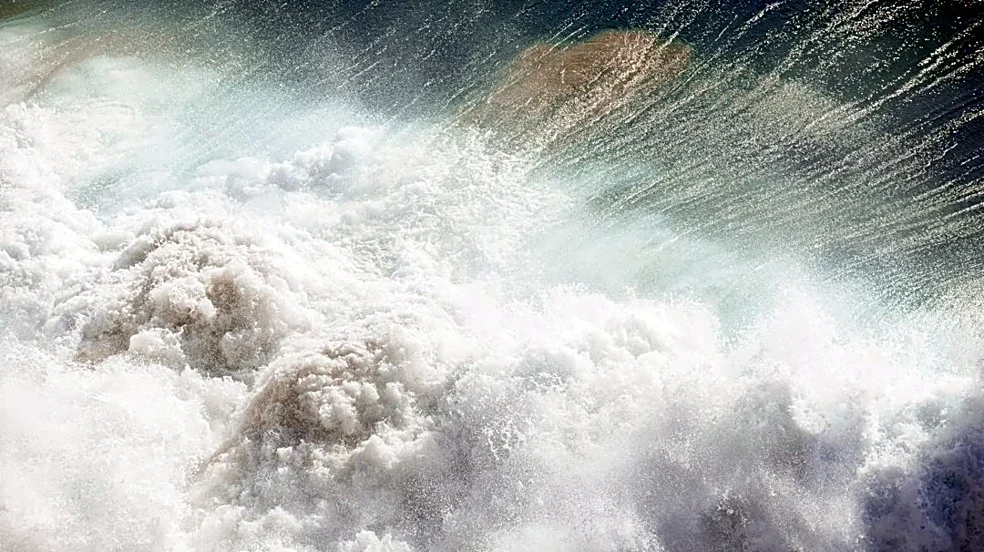

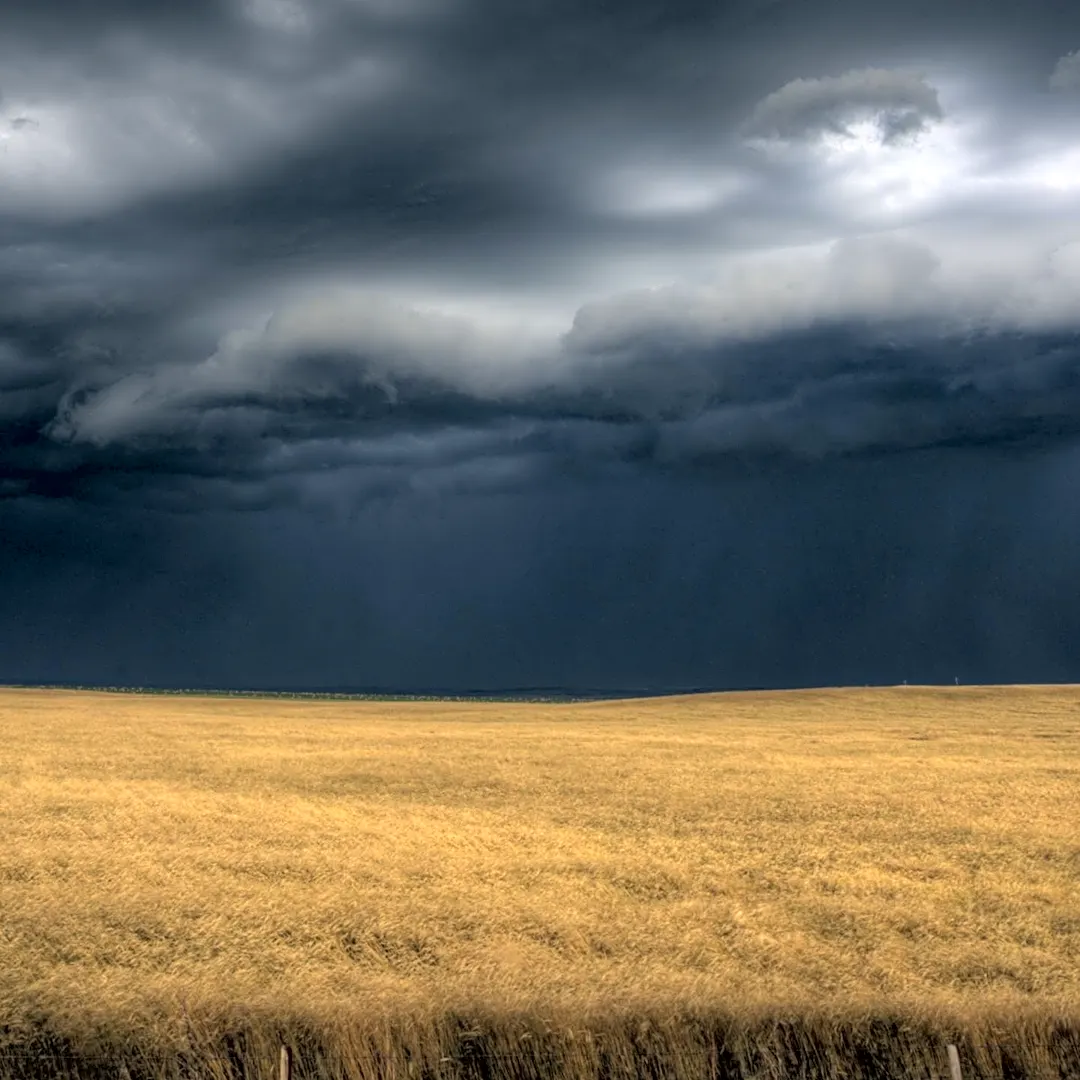



It's been a record-setting hurricane season in the Pacific Ocean, with lasting impacts for Hawaii, Mexico and even Southern California.
And it isn't over yet.
Tropical Storm Vance formed Wednesday, Oct. 21 about 500 miles south of the Mexican coast and is expected to rapidly intensify into a hurricane on Oct. 22, the National Hurricane Center said. Vance is the season's 23rd named storm in the east and central Pacific basins combined.
The numbers of named storms, hurricanes and major hurricanes are well above normal in both ocean regions, according to the hurricane center. A dozen of this year's named storms have become hurricanes.
A developing strong El Niñohas been the primary driver of the activity, bringing in record-warm ocean temperatures
that have helped fuel the development and duration of hurricanes in the Pacific, said Phil Klotzbach, a senior research scientist with the Department of Atmospheric Science at Colorado State University.
“The heat in the Pacific this year is next level,” Klotzbach told USA TODAY. That has produced an "extremely busy" hurricane season this year in terms of overall energy and duration, he said. The United Nations and others warned this week that the "behemoth" El Niño is likely to be unprecedented in the modern record.
Long before the season started, seasonal hurricane outlooks predicted the Pacific would see a busy year, which has proven true.
The outlooks also accurately predicted the lack of activity in the Atlantic, which Klotzbach said is so far the second quietest since 1950. If no other hurricanes occur, it will be the first year since 1925 with only one hurricane. In a quirk of planetary physics, El Niño also gets much of the credit for the slow season.
How busy has the Pacific been?
The season in the Northeast Pacific, which includes the hurricane center's central and east Pacific regions, has been record-breaking in terms of duration and intensity, in addition to being busier than normal.
Although the region has produced 16 hurricanes in at least four previous seasons, this year is significant because 10 of the 12 hurricanes have been classified as "major," with winds of more than 111 mph. The season typically produces only about four major hurricanes.
A new record also was set for hurricane days, at more than 73 and counting. That's the combined number of days within a season that each storm remained at hurricane strength. The length of time is measured in six hour increments. The prior record, set in 2018, was 68.2. The season typically produces only 27 hurricane days.
The season set a new record for an index known as "accumulated cyclone energy" or ACE, based on the intensity and duration of storms. It's a combined measure of the overall wind energy generated by each storm in a season. The typical season sees about a total score of about 125. This season has a score of more than 340 so far, well above the prior record – 318 – in 2018.

Hurricane Vance?
Although Vice President JD Vance might take some kidding over the name, historical hurricane records show the name Vance has been on the World Meteorological Organization's list since at least 1984, the year the vice president was born.
Vance was last used in 1990, for an October hurricane.
If three other storms form, the hurricane center will have exhausted the list of names for the 2026 season and will have to turn to the WMO's backup list.
Warm ocean waters
Sea surface temperatures in a key region of the Pacific used to track El Niño have been setting daily records since June, hitting a new all-time high of 86.3 degrees (30.17 Celsius) on Oct. 17, according tothe Climate Reanalyzerfrom the University of Maine's Climate Change Institute.
The record warm water has been the primary cause of the lack of tropical activity in the Atlantic Ocean, causing air to rise over the Pacific at "a tremendous rate" and sink in the Atlantic, Klotzbach said. That sinking air tends to disrupt storm formation and intensification.

US mainland experiences impacts
El Niño raises the risks for California, wrote Nicholas Grondin, an assistant professor in the University of Tampa'sDepartment of Environmental Studies, in a recent commentary for The Conversation. El Niño's warm waters and an offshore marine heat wave further complicated the situation off the California coast this year.
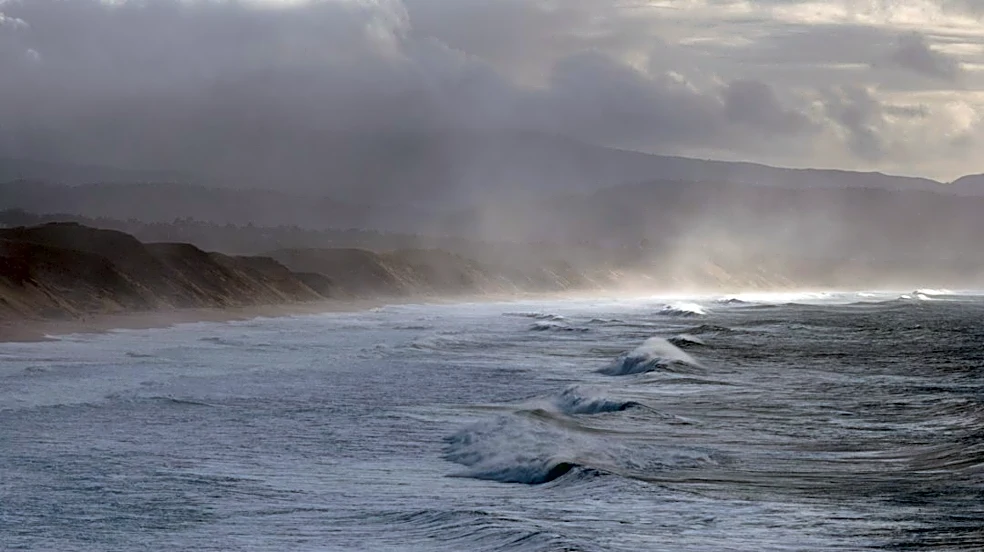
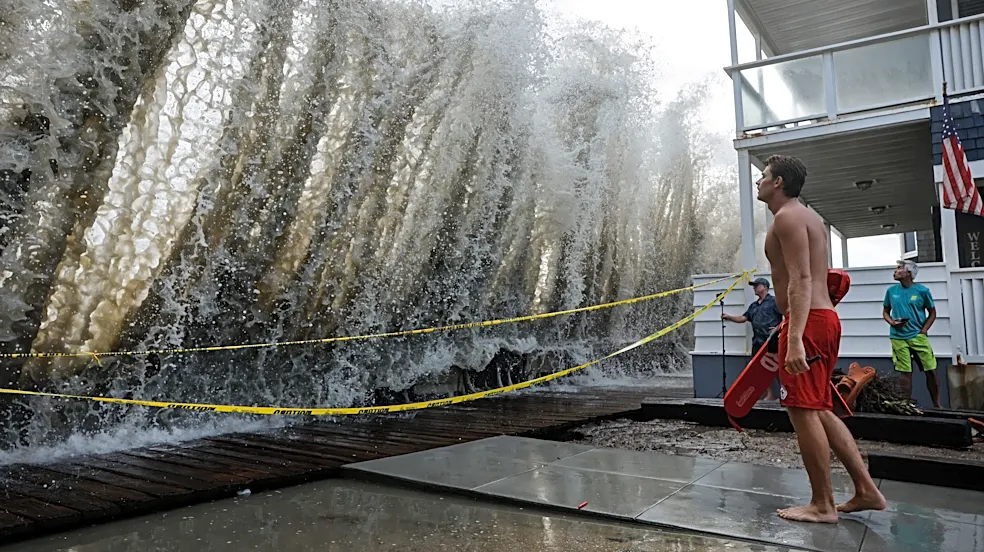
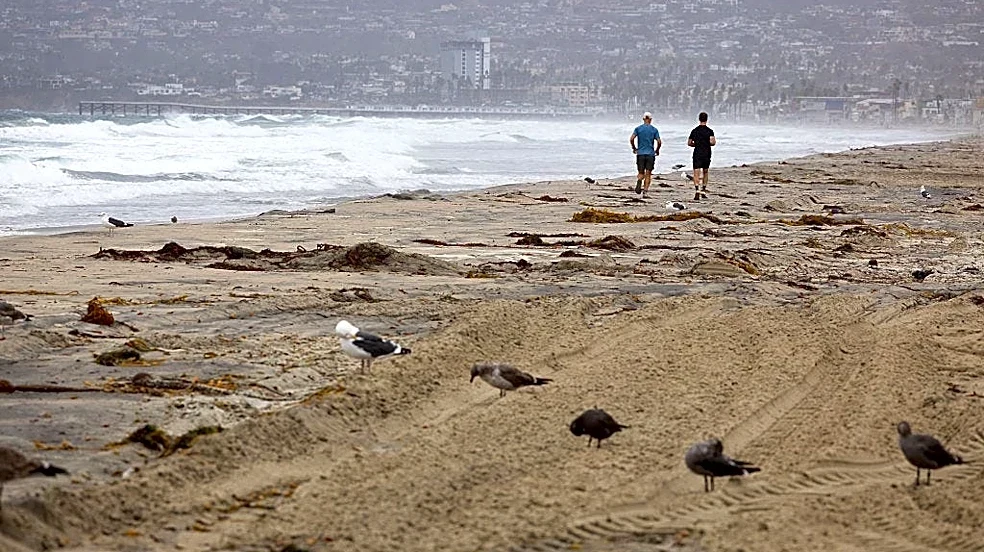
California experienced the wrath of this prolific Pacific hurricane season at least twice. Hurricane Marie delivered big waves that damaged oceanfront properties, Grondin said.
Tropical Storm Rachel prompted a tropical storm watch in Southern California, only the second in history, Grondin wrote. After it began disintegrating, Rachel brought high tides, rain and coastal flooding.
Could 2026 be a sign of things to come in Hawaii?
The Central Pacific, which includes Hawaii, has seen hyperactivity this year, with the "most activity in recent memory" in the region, Grondin told USA TODAY.
Seven storms formed in or traveled into the Central Pacific, according to the National Hurricane Center. That puts the Central Pacific into a five-way tie for the fifth-busiest season on record since 1970, according tothe National Oceanic and Atmospheric Administration. A typical season brings only four to five named storms.
Three storms in 2026 – Lala, Lowell, and Nolo – brought major impacts to the islands, Grondin said. Other impacts included larger than normal swells and rough surf.
Researchers have raised the question of whether the effects seen during this El Niño could occur more often in the future. Onerecent study concluded that storm activity could shift toward stronger storms near the Hawaiian Islands in a warming climate.
Hurricanes are a rare hazard in Hawaii, but can have "enormous consequences," even if they don't make a conventional landfall, stated the study's lead author, Nicole Murray, who was a post-doctoral researcher at the University of Hawaii Mānoa School of Ocean and Earth Science and Technology.
“The 2026 hurricane season has provided a powerful reminder of this,” said Christina Karamperidou, a co-author and professor at the school. “Hurricane Lala passed just south of the islands in August and produced severe flooding and damaging winds across Hawai‘i; Hurricane Lowell approached Hawai‘i from the south in September before passing west of the state, producing damaging winds, heavy rainfall and flooding, with particularly severe impacts on Kaua‘i.
Dinah Voyles Pulver, a national correspondent for USA TODAY, covers violent weather, climate and the environment, among other news. Reach her at dpulver@usatoday.com.
This article originally appeared on USA TODAY: Hurricane season has been crazy in the Pacific. Here's why