




Federal health officials are developing a nationwide system designed to help authorities respond more quickly when an autistic child or adult goes missing, with officials stressing that a swift response can be critical in such situations.
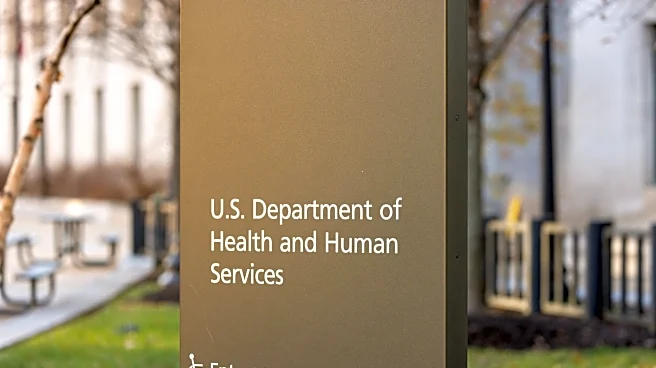
The U.S. Department of Health and Human Services announced Friday the development of the National Autism Missing and Endangered Person Alert Initiative, a partnership with the Department of Justice and Federal Emergency Management Agency. The effort aims to improve coordination among law enforcement agencies, emergency managers, first responders and community organizations.
The initiative is being developed rather than fully launched, The Hill reported. HHS said it will build on existing Missing and Endangered
Person alert procedures and FEMA's Integrated Public Alert and Warning System to create a framework for qualifying autism-related cases.
That means there is not yet a nationwide autism-specific alert that families can activate. Until the framework is established, HHS advises caregivers to call 911 immediately if an autistic loved one goes missing and to tell authorities the person is at high risk.
What the new initiative would do
The federal effort is intended to establish consistent practices for handling missing-person cases involving autism, including guidance for first responders and search efforts.
HHS said the framework will address preventable dangers associated with wandering. Accidental drowning is a particular concern, The Hill reported.
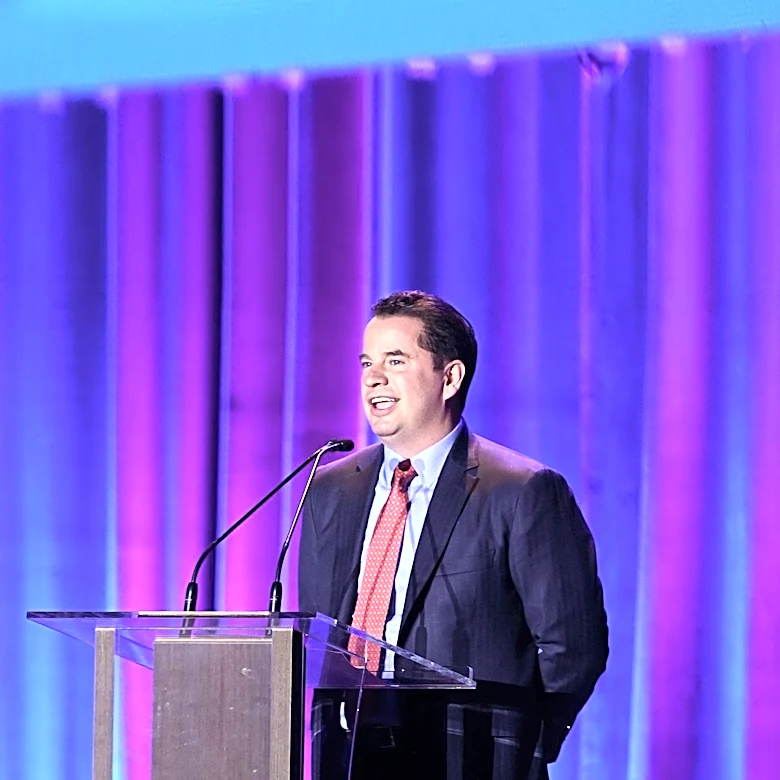
“When an autistic child or adult goes missing, every minute matters,” HHS Secretary Robert F. Kennedy Jr. said in announcing the initiative. “We are bringing federal, state and local partners together to improve prevention, speed the response, and help bring autistic children and adults home safely.”
Attorney General Todd Blanche said the partnership would help emergency responders act more quickly in cases involving autistic people.
DHS Secretary Markwayne Mullin said FEMA will help communities establish the relationships and coordination needed before a missing-person emergency occurs.
Why wandering can become dangerous
HHS said approximately half of autistic children engage in wandering behavior at some point. The agency said drowning accounts for the majority of deaths associated with autism-related wandering, making nearby bodies of water an important consideration during searches.
The National Autism Safety Council reports that an average of eight autistic children die each month in the United States after wandering, most often from drowning.
HHS recommends that caregivers provide 911 dispatchers and responders with information that could affect a search, including the person's communication abilities, behavior, attraction to water and other known risks.
The announcement was part of a broader package of autism-related initiatives from HHS, including a new Medicaid and CHIP toolkit for Applied Behavior Analysis services and efforts to expand health care training and access.
The CDC's latest data estimates that about 1 in 31 children in the U.S. has been identified as having autism.
Reporter Anthony Thompson can be reached at ajthompson@usatodayco.com, or on X @athompsonUSAT.
This article originally appeared on USA TODAY: HHS launches alert initiative for missing autistic people