
Thanksgiving turkey gets the grand entrance, mashed potatoes demand a second helping and pumpkin pie calls your name even when you're convinced you couldn't eat another bite.
But another holiday staple
for many families is often overlooked. “Thanksgiving menus are shaped by family and cultural traditions, so a dish that is essential to one family’s celebration may be unfamiliar to another,” says Lisa Young, a registered dietitian nutritionist, author of “Finally Full, Finally Slim” and an adjunct professor of nutrition at New York University.
“For many people,” she says, “mac and cheese is more than a side dish − it’s part of their family history and holiday memories.”
So whether yours arrives bubbling from the oven or comes straight from a saucepan, here's what this comfort food offers nutritionally, why it’s enjoyed on many Thanksgiving tables and how to incorporate it into a balanced meal.
What is mac and cheese?
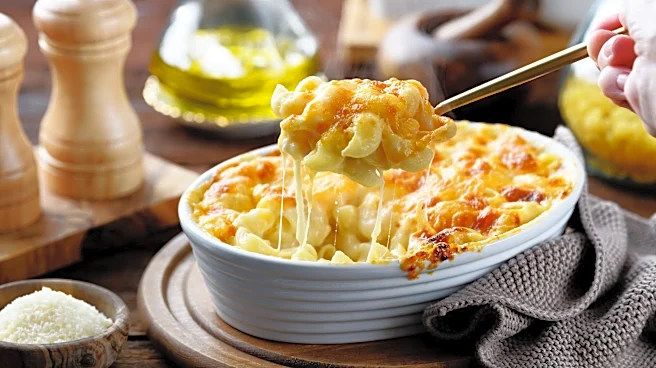
Macaroni and cheese combines cooked elbow macaroni or other short pasta with cheese, whether freshly grated, sliced, in a prepared liquid sauce or in dried powder form. And along with the cheese, the sauce also often contains “milk, butter and sometimes flour is added to thicken it,” explains Young. Such combined ingredients coat the pasta, which can be served immediately or baked until browned on top.
At the same time, macaroni and cheese options are as varied as they are popular. Boxed versions “consist of a powered cheese and milk packet that is added to dried noodles after they are cooked,” explains Elizabeth Klingbeil, a registered dietitian nutritionist at the University of Texas at Austin and a spokesperson for the Academy of Nutrition and Dietetics.
“Homemade and restaurant mac and cheeses are much more likely to use freshly grated cheese to make a sauce that then gets added to the boiled noodles,” Klingbeil says.
Young adds that homemade versions “allow more control over the ingredients and the type and amount of cheese, butter and milk used.” Indeed, many homemade and restaurant versions also incorporate a wider range of ingredients like cream, sour cream or breadcrumbs.
And across these and even boxed varieties, proteins like cut-up hot dogs, ground beef or tuna are sometimes added, and vegetables like peas, corn or carrots are often mixed in as well.
Is mac and cheese good for you?
While mac and cheese provides several useful nutrients, Klingbeil says, it's usually best enjoyed alongside foods that round out the meal. After all, the main nutrients that mac and cheese contains are only “carbohydrates, calcium and a bit of protein.”
The pasta supplies carbohydrates, which the body breaks down into glucose to fuel cells, including those in the brain and muscles. And the cheese and milk contribute protein for tissue growth and repair. “Protein also supports immune function and helps you feel satisfied after eating,” Young explains.
These dairy ingredients also provide calcium, Klingbeil adds, which, along with maintaining bones and teeth, is a mineral that helps muscles contract and nerves transmit messages.
And many mac and cheese varieties − especially popular boxed versions − contain pasta enriched with iron and B vitamins.
“Iron helps red blood cells carry oxygen,” says Young, “and B vitamins like thiamin, riboflavin, niacin and folic acid help the body convert food into energy, support normal nervous system function and, in the case of folate, help produce DNA and red blood cells.”
At the same time, she says that “the nutritional value of mac and cheese depends on the recipe, portion size and ingredients.”
And those ingredients also determine important drawbacks. For example, Klingbeil notes that mac and cheese is usually high in saturated fat, “mostly due to the significant amount of saturated fats found in cheese.” Eating too much saturated fat can raise LDL, or “bad,” cholesterol, contributing to plaque buildup in arteries and increasing the risk of heart disease and stroke.
She adds that “most mac and cheese dishes are also high in sodium and overall calories.” Excess sodium can contribute to fluid retention and high blood pressure, while regularly consuming more calories than your body uses can lead to unwanted weight gain over time.
But “the main concern is not mac and cheese itself, but how often we eat it, how much we eat and what it replaces in our diet,” stresses Young.
Is mac and cheese a Thanksgiving food?
As for when to enjoy the side dish, having it on the table on Thanksgiving is a must for many households across America. One 2025 survey of 5,000 U.S. adults found that mac and cheese was a favorite Thanksgiving side among about half the country. And a whopping 70% of Gen Z respondents said it should be a staple at every holiday meal.
While enjoyed nationwide, the dish is especially popular across the South. And it ranked among the top three sides in 19 states, taking the No. 1 spot in both Florida and New York.
Such popularity “reflects regional food traditions, family recipes and the importance of comfort foods that bring people together,” Young says.
But for anyone interested in a more nutrient-rich version, Klingbeil suggests opting for whole-wheat pasta or switching up the sauce base with blended butternut squash or cauliflower.
Young recommends using milk instead of heavy cream, choosing flavorful sharp cheese and experimenting with less butter and salt. “And stirring in peas, broccoli, spinach or roasted cauliflower will increase fiber, vitamins and minerals,” she says. “Even adding a small amount of vegetables can improve the dish’s nutritional value.”
But she adds that simply enjoying a portion of your family's favorite version of the recipe is also totally fine. “You do not need to eliminate it to have a healthy Thanksgiving,” she says.
Klingbeil echoes that a meaningful holiday dish often offers more than key nutrients. “While these are all options to improve the nutrient density of mac and cheese, it’s important to note that there is more to food than just the nutrient composition,” she says. “Food has nostalgic and emotional value that also matters.”
This article originally appeared on USA TODAY: Is mac and cheese healthy? What to know before adding it to your Thanksgiving feast
Our editors independently choose our recommendations. Some content is produced with paid support from a third party, however our editorial decisions remain independent. If you buy through our links, the USA TODAY Network may earn a commission. Prices and availability may change.